From Child Soldier to Surgeon: Yohanis Riek and the Mission to Rebuild Healthcare in South Sudan
From herding cattle and surviving civil war to becoming the first doctor in his community, Yohanis Riek is on a mission to transform healthcare in South Sudan. Here is the full story behind his TED Talk and his health revolution.
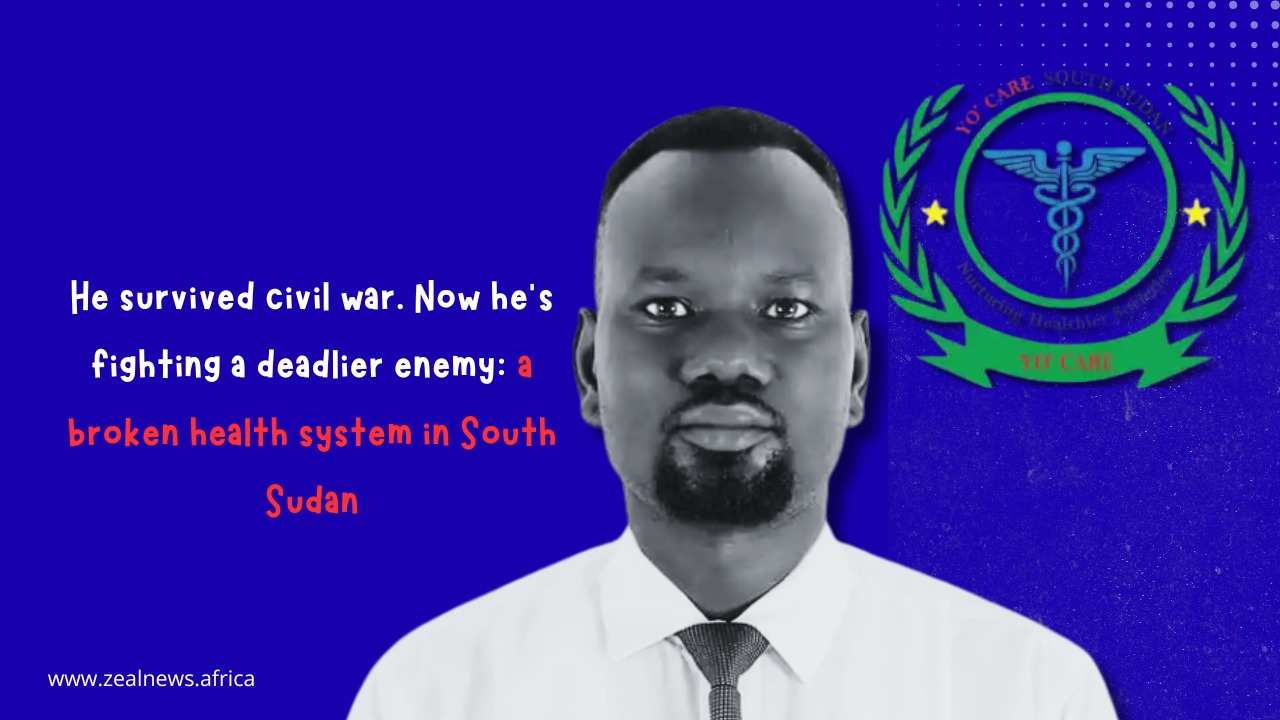
When Yohanis Riek stepped onto the TED stage, he didn’t begin with statistics. He begins with memory. A boy walking barefoot across vast plains, cattle bells echoing in the distance. A child forced into war before he understood its politics. A teenager witnessing preventable deaths in villages without clinics, medicines, or trained professionals.
His TED Talk, “The Doctor on a Mission to Build a Healthier South Sudan,” is not simply a personal narrative. It is a case study in what locally led healthcare transformation looks like in one of the world’s most fragile systems.
This is the story behind that mission.
Growing Up in Conflict
To understand Riek’s work, context is essential.
South Sudan endured decades of civil war before gaining independence in 2011. The conflict between Sudan’s north and south officially lasted from 1983 to 2005, culminating in the Comprehensive Peace Agreement.
Independence followed a referendum in which nearly 99 percent voted to secede. Yet peace proved fragile. Internal political tensions erupted into civil war again in 2013, devastating infrastructure and displacing millions.
Riek grew up inside that instability.
Like many rural children, he herded cattle, a central pillar of pastoralist life in South Sudan. Cattle are not just economic assets; they define status, marriage negotiations, and social bonds.
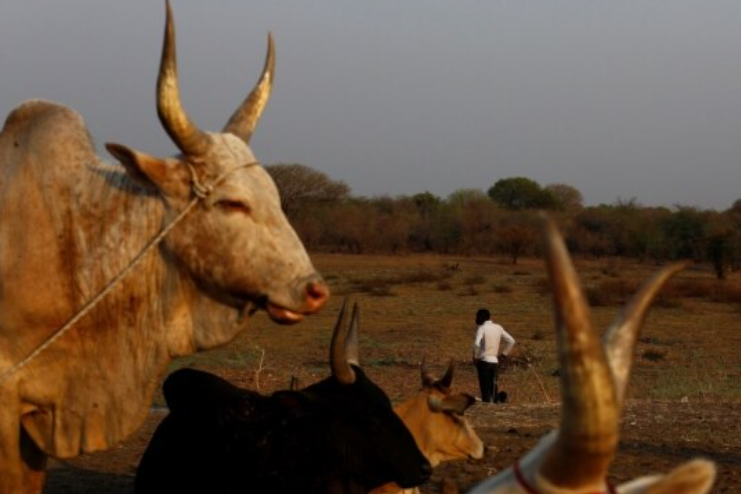
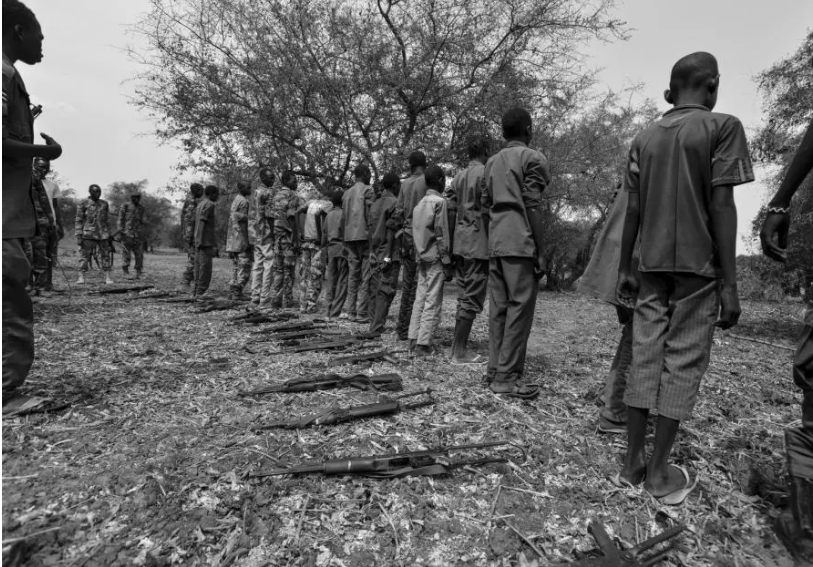
But conflict transformed rural childhoods into battlegrounds. Many boys were drawn or forced into armed groups during the war years.
Riek’s early exposure to violence and suffering planted a seed. He watched neighbors die from infections that would have been treatable elsewhere.
He saw mothers lose babies during childbirth because no skilled attendant was present. In communities without clinics, a fever could become a funeral.
These were not isolated tragedies. They were systemic failures.
The Health Crisis in South Sudan
South Sudan’s healthcare indicators remain among the weakest globally.
The country has historically faced an extreme shortage of trained medical doctors relative to its population.
A large percentage of citizens live in rural areas far from functional health facilities.
Maternal mortality rates rank among the highest in the world.
Preventable diseases such as malaria, respiratory infections, diarrheal illnesses, and malnutrition remain widespread.
Decades of war destroyed hospitals, displaced professionals, and disrupted medical education. Even after independence, funding constraints and renewed conflict slowed reconstruction efforts.
In such an environment, becoming a doctor is not merely a career choice. It is an act of national rebuilding.
Becoming the First Doctor in His Community

Against these odds, Riek pursued education with intensity.
He earned his medical degree from the University of Juba in 2019, emerging as the first doctor from his community. That milestone carries symbolic weight. In many parts of South Sudan, communities can go generations without producing a single physician.
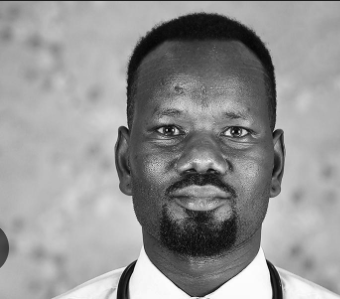
His achievement represented more than personal success. It marked a shift in possibility.
Instead of emigrating, a common path for African medical graduates seeking stability, Riek made a deliberate decision to stay.
In his TED Talk, he emphasizes that meaningful transformation must come from within communities, not be permanently outsourced to foreign aid workers or short-term missions.
That philosophy underpins his broader work.
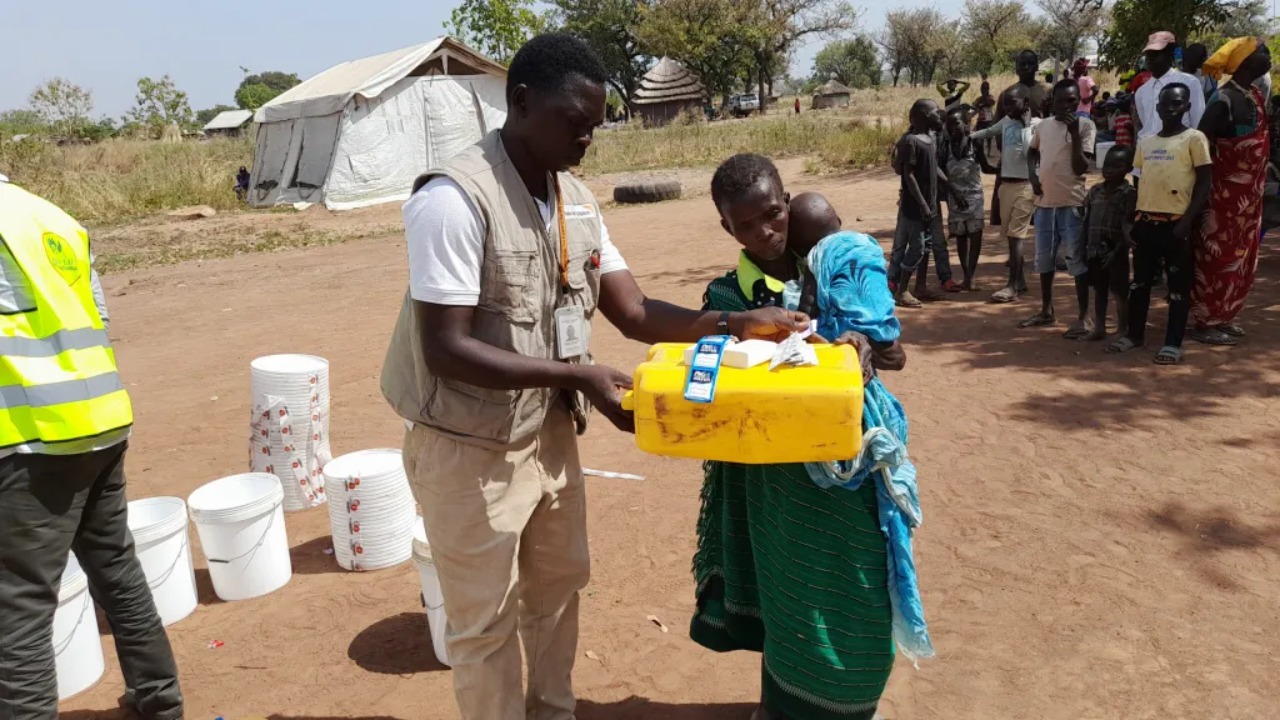
Years before completing medical school, Riek founded Yo’ Care South Sudan in 2009. The nonprofit focuses on expanding access to healthcare, nutrition, and water, sanitation, and hygiene services.
Its model is pragmatic and community-driven:
Deliver essential health services in underserved rural areas.
Partner with local authorities and international agencies.
Build capacity among local health workers.
Integrate public health interventions such as vaccination campaigns and maternal health outreach.
Rather than duplicating government systems, Yo’ Care works alongside the Ministry of Health, reinforcing existing structures.
In fragile states, parallel systems often collapse once donor funding ends. Sustainability requires institutional strengthening.
Under Riek’s leadership, Yo’ Care has operated across multiple states, addressing both immediate needs and long-term capacity gaps.
Innovation in a Resource-Constrained Environment
Healthcare in South Sudan is shaped by logistics as much as medicine.
Poor road networks, seasonal flooding, and insecurity can isolate communities for months. Transporting oxygen, vaccines, or surgical equipment is not straightforward.
Riek has advocated for technological and logistical innovation to bridge these gaps. From improving oxygen access to strengthening referral systems for complex cases, his approach emphasizes adaptability.
In fragile contexts, health innovation does not always mean high-tech solutions; it often means finding resilient ways to deliver basics.
His TED Talk underscores this principle: durable systems matter more than symbolic interventions.
Why Is This Story Important?
Riek’s narrative intersects with three critical global debates:
1. Brain Drain vs. Brain Gain
Many African countries lose trained professionals to migration. Riek represents a countercurrent, a model of local retention driven by purpose and structural commitment.
2. Aid Dependency
South Sudan’s health system has relied heavily on international donors. Riek argues for strengthening domestic leadership to reduce long-term dependency.
3. Post-Conflict Reconstruction
Rebuilding after war requires more than political settlements. It demands functioning schools, clinics, and supply chains. Healthcare becomes a foundation for stability.
His life illustrates how individual agency interacts with systemic reform. A single doctor cannot fix a nation’s health crisis, but leadership can catalyze change.
The Emotional Core of the TED Talk
While the structural arguments are compelling, the emotional power of Riek’s TED Talk lies in contrast.
A child once navigating conflict now wears a white coat. A boy herding cattle now trains health workers. A former child soldier now saves lives.
The transformation is not romanticized. He does not frame hardship as destiny or trauma as heroic myth. Instead, he frames education as intervention and service as responsibility.
The talk leaves audiences with a central question: What does it mean to build where others flee?
South Sudan continues to face enormous challenges:
Political instability remains a concern.
Climate change exacerbates flooding and food insecurity.
Economic volatility limits domestic health financing.
Yet incremental progress is possible. Expanding training institutions, improving rural service delivery, and fostering accountable governance can gradually shift outcomes.
Riek’s work aligns with this incremental model. It rejects fatalism. It acknowledges fragility without surrendering to it.
In a country often defined internationally by conflict headlines, stories like his introduce a different narrative: one centered on agency, resilience, and professional excellence.
Conclusion: Medicine as Nation-Building
“The Doctor on a Mission to Build a Healthier South Sudan” is more than a TED Talk title. It is a declaration of intent.
Yohanis Riek’s life traces a path from pastoral childhood to armed conflict, from classrooms to clinics. His decision to remain in South Sudan reframes what success can look like for young African professionals.
Healthcare in South Sudan will not transform overnight. But each locally trained doctor, each functioning clinic, and each empowered community alters the trajectory.
In fragile states, nation-building often begins with the simplest act: treating a patient who would otherwise have been forgotten.
And in that quiet space between diagnosis and recovery, reconstruction begins.