3 African Countries Most Likely to Be Affected by Ongoing Global Wars
Global wars are sending shockwaves far beyond the battlefield, and three African countries are standing dangerously close to the shockwaves of ongoing global wars.
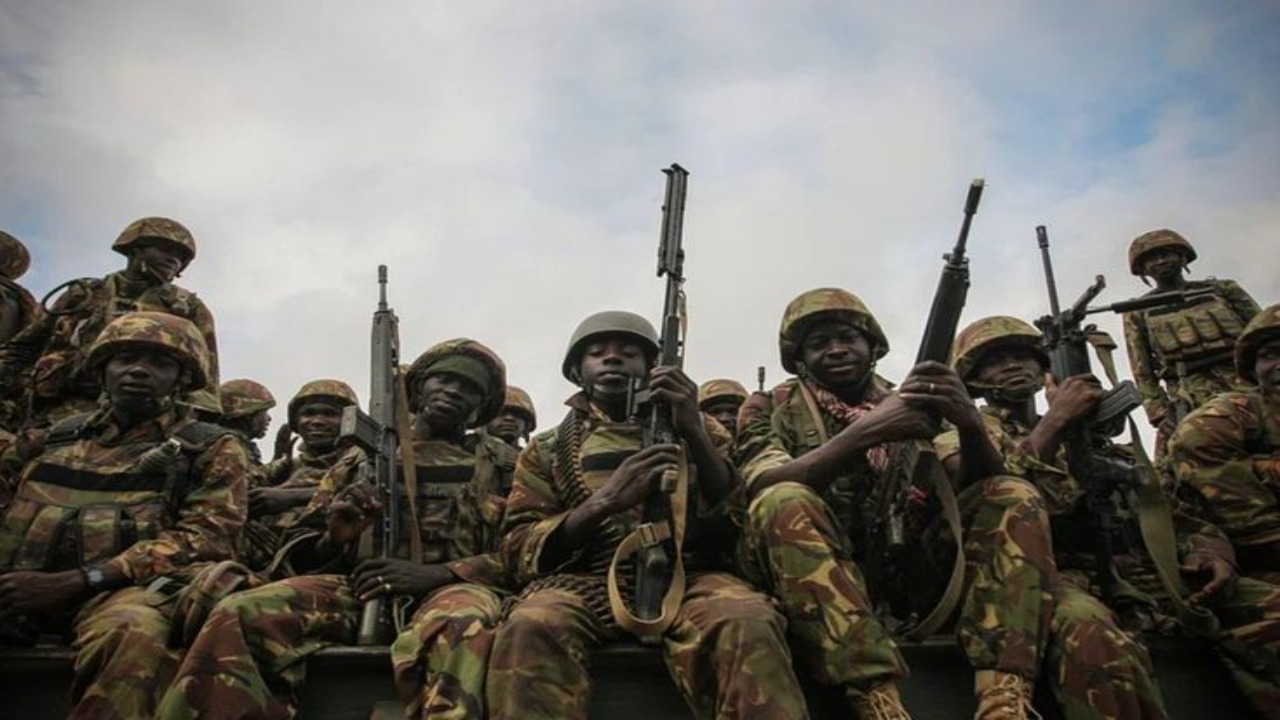
War does not need to reach your street before it reaches your life. It can arrive quietly through a bag of rice that suddenly costs double. It can appear in the form of fuel scarcity.
It can show up as strangers crossing the border in search of safety. In today’s interconnected world, conflict travels through trade routes, financial systems, and fragile political arrangements.
Several African countries stand in especially exposed positions. Some are already fighting for survival. Others depend heavily on neighbours in crisis. Others sit in regions where armed groups move easily across borders. Below are three countries that are most likely to be deeply affected by ongoing global and regional wars.
1. Sudan
Sudan is not bracing for impact; it is already living through catastrophe. Since 2023, rival military factions have been locked in a destructive struggle for power.
Entire districts in major cities have been reduced to rubble. Residential areas have turned into battlegrounds, and civilians are caught between armed forces.
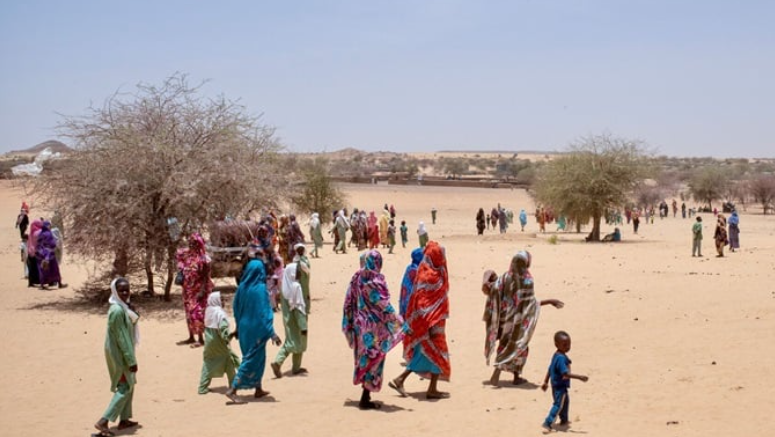
The most immediate damage is to food production.Large parts of Sudan rely on agriculture, but farmers cannot safely access their land. When farmers stop farming, markets empty quickly. Prices surge, and hunger spreads beyond conflict zones.
The financial system has also suffered severe disruption. Many banks have shut down or operate at limited capacity. As formal commerce weakens, informal trading networks take over, reducing government tax revenue and weakening state authority even further.
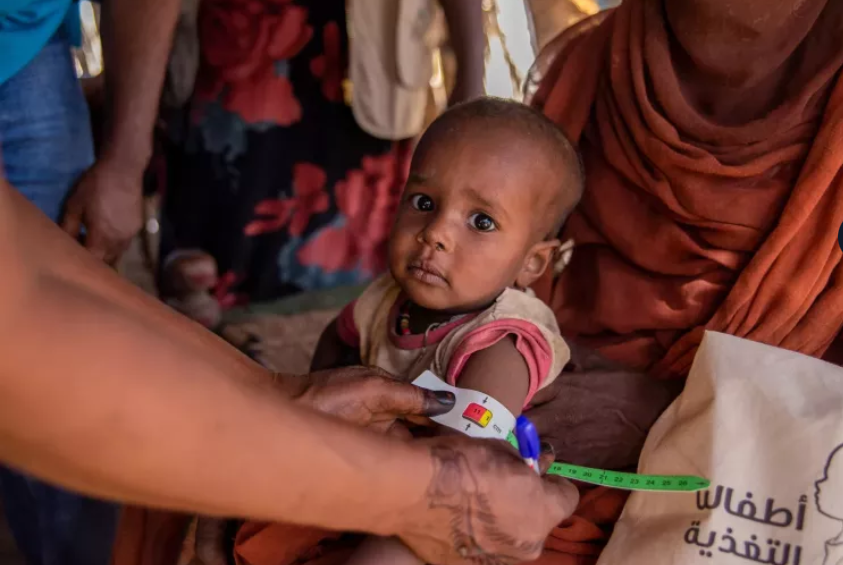
Healthcare has deteriorated sharply. Hospitals lack medicine, electricity, and trained personnel. Diseases that were once manageable become deadly again.
Children miss vaccinations. Pregnant women deliver in unsafe conditions. A prolonged war does not only destroy buildings; it dismantles the foundation of public life.
Sudan’s geographic position makes the situation even more dangerous. It borders seven countries and sits close to the Red Sea, a major global shipping route.
If the war continues for several more years, Sudan risks entering a long-term economic depression. Rebuilding infrastructure, restoring investor confidence, and stabilizing currency systems would require enormous international support. The longer the conflict persists, the deeper the scars become.
2. South Sudan
South Sudan’s vulnerability lies in dependence. Its economy is heavily tied to oil exports, and those exports rely on pipelines running through Sudan. When Sudan is unstable, South Sudan’s economic lifeline is threatened.
If oil stops flowing smoothly, government revenue drops immediately.Oil income funds public salaries, infrastructure projects, and security forces. Without it, the state struggles to function.
At the same time, South Sudan is receiving civilians fleeing violence in Sudan. These arrivals require shelter, food, clean water, and medical attention.
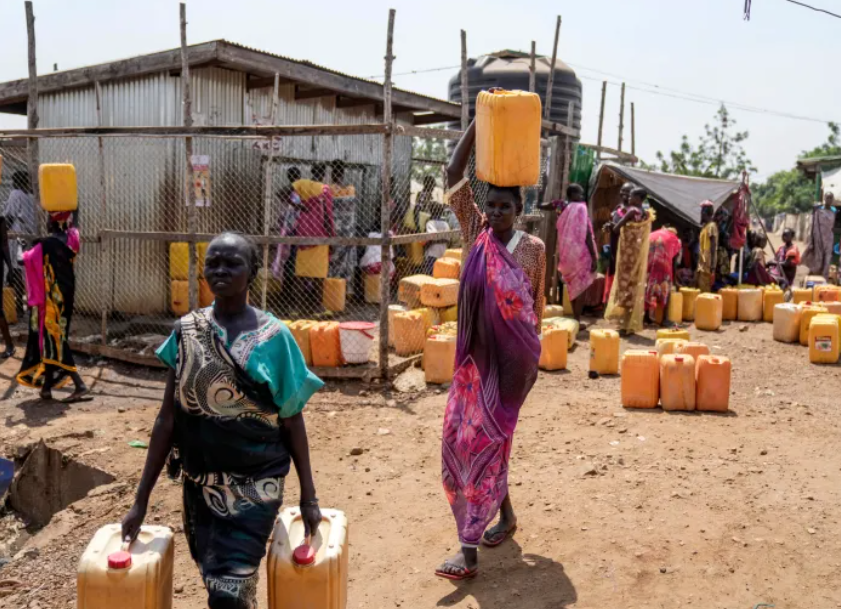
In a country where infrastructure remains weak after years of internal conflict, absorbing large numbers of displaced people creates additional strain.
Communities that already face limited resources may experience tension over land, water access, and humanitarian aid distribution.
The danger is not simply economic hardship; it is the reopening of old wounds. When a young nation depends on a neighbour in crisis, the shock travels quickly across the border.
3. Nigeria
Nigeria’s exposure is different. It is not directly involved in the world’s biggest wars, yet it feels their consequences through global markets and regional insecurity.
Global conflicts disrupt energy supplies and agricultural exports. When major grain-producing regions are at war, global wheat prices rise. When oil shipping routes are threatened, energy markets react.

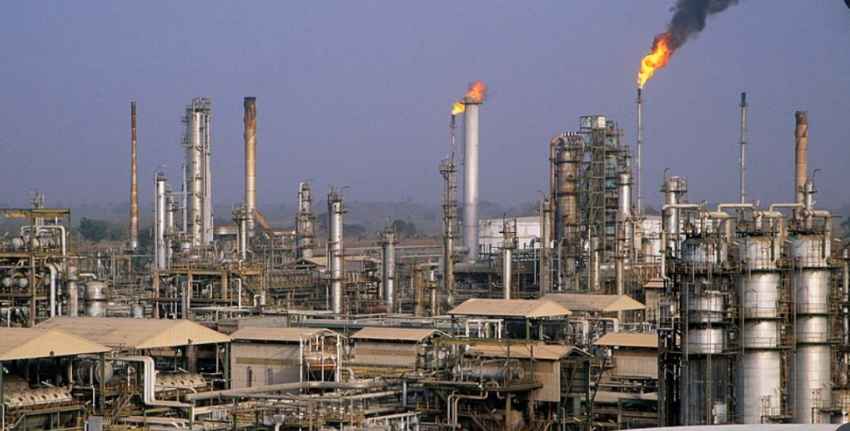
Nigeria imports large quantities of refined fuel and food products despite being a crude oil producer. When international prices increase, domestic inflation follows.
The effects are visible in everyday life. Transport costs rise because fuel is more expensive. Food sellers adjust their prices upward to cover higher wholesale costs.
Families reduce meal portions. Small businesses struggle to restock goods. Inflation driven by global instability erodes purchasing power faster than wages can adjust.
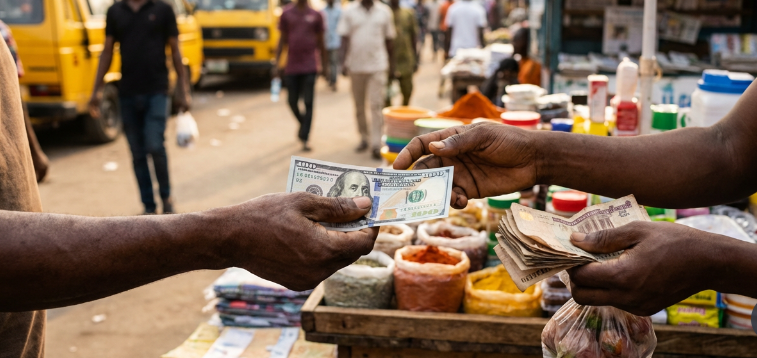
Currency pressure can also intensify. During periods of global uncertainty, investors often move money toward safer economies. Emerging markets like Nigeria may experience capital outflows.
This weakens the local currency, making imports even more expensive. A weaker currency also increases the cost of servicing foreign debt.
Security challenges add another layer. Nigeria shares borders with countries facing insurgencies, particularly in the Sahel region.
When international attention shifts toward larger global conflicts, counterterrorism coordination in West Africa may lose momentum.
Nigeria therefore faces a double strain: economic shocks from global wars and security pressure from regional instability. The combination places stress on both households and government policy.
The Larger Picture
Across these five countries, the pathways of impact are clear. Rising food and fuel costs strain families. Armed groups exploit weakened security coordination. Government revenue fluctuates when trade routes or oil exports are disrupted. Humanitarian systems become overstretched when displacement grows.
Global wars amplify existing weaknesses rather than creating entirely new ones. Countries already dealing with fragile institutions, economic dependence, or unresolved tensions feel the shock most sharply.
Sudan faces devastation at the center of active warfare. South Sudan risks economic collapse tied to its northern neighbour. Nigeria absorbs global market volatility while confronting regional insecurity.
In a tightly connected global system, conflict travels through prices, pipelines, borders, and political alliances. For these nations, the consequences are not distant geopolitical debates. They shape daily survival, economic stability, and the prospects of future generations.