The Seven Rarest Genetic Conditions in the World: When DNA Rewrites the Rules
From children aging before puberty to muscles turning into bone, these seven rare genetic conditions—driven by minute changes in DNA—are some of the most mysterious and devastating medical phenomena known to science.
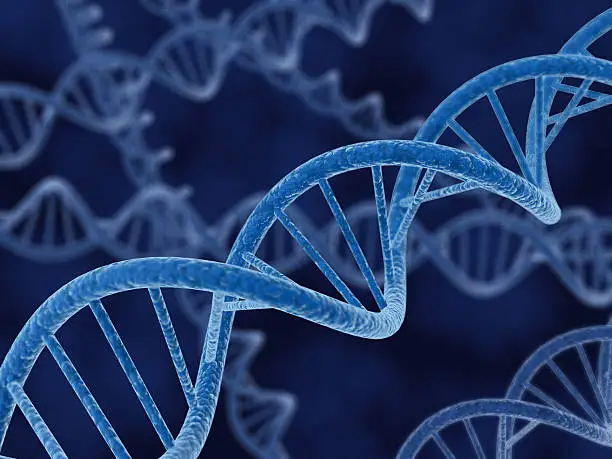
What Happens When Genes Go Rogue
The human genome is a miraculous thing—three billion base pairs working in harmony to build the body, instruct the brain, and keep the engine of life running. But when just one of those genetic instructions is miswritten, the result can be extraordinary, and sometimes, terrifying.
Rare genetic disorders remind us how fragile our design really is. A single mutation can hijack normal development, rewrite how cells function, or push a child’s body to age decades ahead of its time. Some of these conditions are so rare that they’ve been diagnosed in only one or two people on Earth.
Here are seven of the rarest genetic conditions in the world, each a story of what happens when DNA dares to defy biology.
1. Fibrodysplasia Ossificans Progressiva — The Human Statue Disease
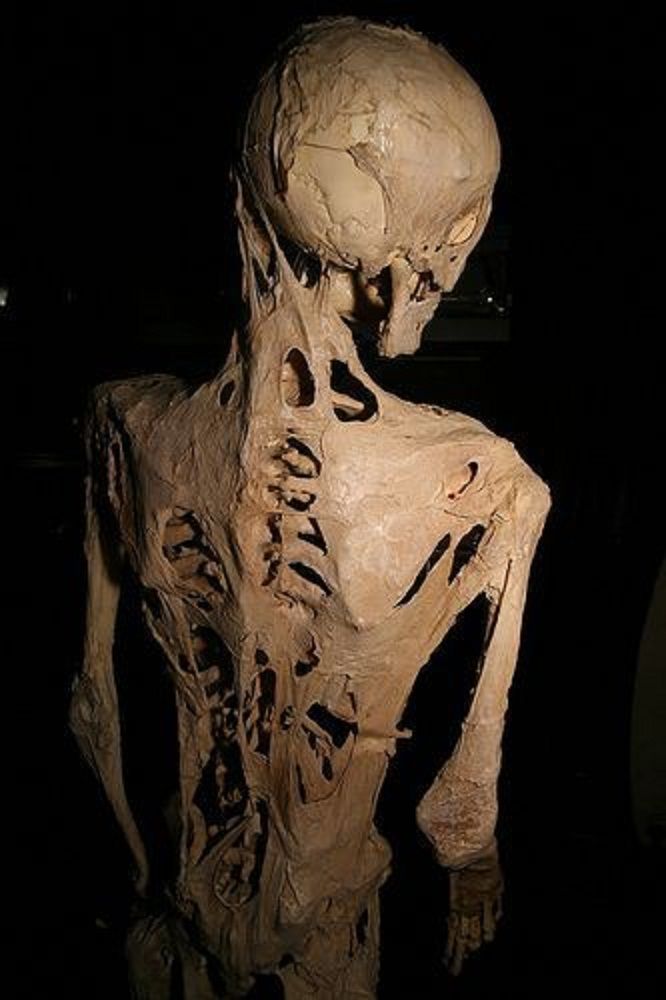
For children like Luciana Wulf, even a minor bump could mean permanent loss of movement. That’s because Luciana lives with Fibrodysplasia Ossificans Progressiva (FOP), a rare and devastating disorder where the body gradually turns muscle and connective tissue into bone.
At the core of FOP is a mutation in the ACVR1 gene, which plays a role in regulating bone growth and repair. In those with the mutation, the body misreads inflammation and injury signals, prompting it to grow bone where it shouldn’t—like inside ligaments, tendons, and muscle. Over time, joints fuse and mobility disappears. Even the ribcage can calcify, making it difficult to breathe.
There’s no cure. Surgery only makes things worse, often triggering more bone growth. Only about 800 cases have ever been confirmed globally. It's one of the clearest examples of how one small error in our genetic code can completely reshape the human experience—turning soft, living tissue into a rigid, skeletal prison.
2. Hutchinson-Gilford Progeria Syndrome — Aging in Fast-Forward
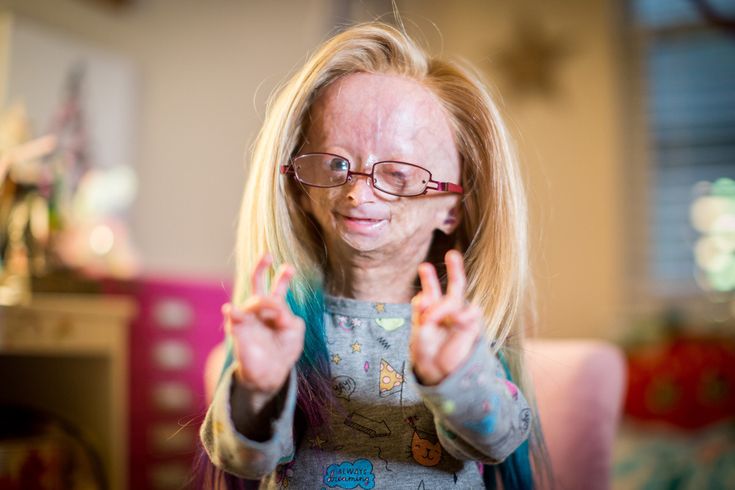
At birth, children with Hutchinson-Gilford Progeria Syndrome appear healthy. But by their second birthday, symptoms of extreme aging begin to appear—hair loss, joint stiffness, aged skin, and cardiovascular issues. Their tiny bodies wear down as though they’ve lived a full lifetime by age ten.
This condition stems from a mutation in the LMNA gene, which provides instructions for making a protein called lamin A. Lamin A helps maintain the structure of the cell nucleus. In progeria, the faulty version—known as progerin—accumulates in cells and causes them to age rapidly.
The result is a form of accelerated aging so severe that most children with progeria die in their teens, usually due to heart attacks or strokes. Yet many, like the late Sam Berns, shine brightly while they’re here, becoming advocates, scientists, and symbols of resilience.
Though incredibly rare—affecting roughly 1 in 20 million—this genetic glitch has become a window into aging research. Scientists are now exploring how suppressing progerin might slow aging in all humans, not just those with progeria.
3. Fields’ Condition — The Diagnosis With No Name
Imagine having a condition so rare that no one else on Earth shares it. That’s the case for Kirstie and Catherine Fields, identical twins from Wales who have lived their entire lives battling an undiagnosed neuromuscular disorder now unofficially named Fields’ Condition.
While the exact cause remains unknown, doctors suspect it may result from an ultra-rare mutation or deletion in one or more genes affecting muscle control and nervous system signaling. Despite countless genetic tests, researchers have never pinpointed the exact defect. It’s possible the mutation lies in a yet-unidentified gene—or in a complex interplay of multiple genetic irregularities.
Fields’ Condition causes chronic muscle spasms and deterioration, confining the girls to wheelchairs and making speech nearly impossible. They communicate via computers and are completely dependent on caregivers. What makes their case so extraordinary is that no one else has ever been diagnosed with this combination of symptoms—suggesting a mutation that could be exclusive to them.

It’s a sobering reminder that the world of genetics is still filled with uncharted territory.
4. Björnstad Syndrome — The Hair That Whispers

In the few dozen people known to have Björnstad Syndrome, one of the first signs is peculiar hair—brittle, twisted, and prone to breaking. But the real struggle is deeper: these individuals also experience severe hearing loss from infancy.
The condition is caused by mutations in the BCS1L gene, which is involved in the function of mitochondria—tiny powerhouses within our cells. When the BCS1L gene malfunctions, it disrupts the energy balance in cells that are especially sensitive to stress, like those in the cochlea (for hearing) and in hair follicles.
People with this syndrome often have pili torti, a hair disorder in which strands grow twisted and fragile. And because their mitochondria can’t fuel hearing cells properly, those cells deteriorate quickly, leading to profound deafness.
The condition is inherited in an autosomal recessive manner, meaning both parents must carry one faulty copy of the gene. Because it’s so rare—estimated at fewer than 1 in 260 million—most cases are misdiagnosed or misunderstood.
5. Pallister-Killian Syndrome — A Genetic Mosaic
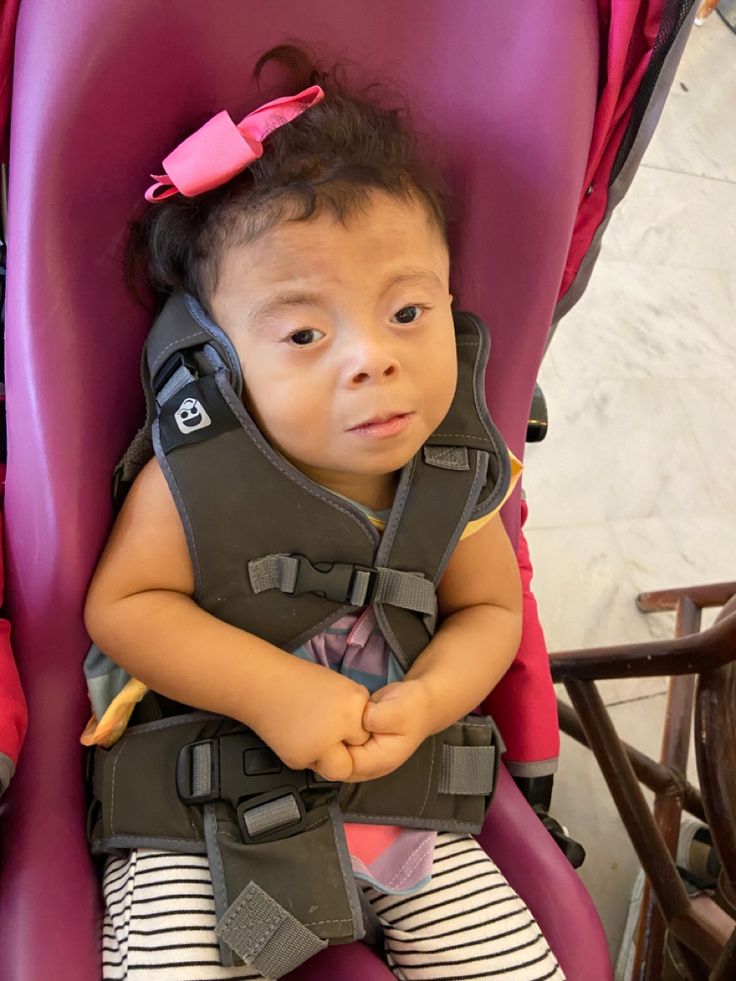
When Ellie was born, she had unusual facial features, low muscle tone, and trouble feeding. But as she grew, more troubling symptoms emerged—developmental delays, epilepsy, and cognitive disabilities. After years of uncertainty, her parents finally got an answer: Pallister-Killian Syndrome (PKS).
PKS isn’t caused by a typical mutation in a single gene. Instead, it’s a chromosomal disorder, where some cells in the body carry an extra copy of the short arm of chromosome 12 (12p). This is called tetrasomy 12p, and it occurs in a mosaic pattern—meaning only some cells are affected.
Because of this mosaicism, symptoms vary wildly between individuals. Some may have mild learning disabilities; others may never speak or walk. Diagnosis often requires a skin biopsy, since the abnormal cells might not appear in blood samples.
With only around 150 cases confirmed worldwide, PKS is among the rarest chromosomal syndromes known. It shows how the presence—or absence—of one piece of a chromosome, in just some cells, can change everything about a person’s life path.
6. Urbach-Wiethe Disease — The Woman Who Feared Nothing
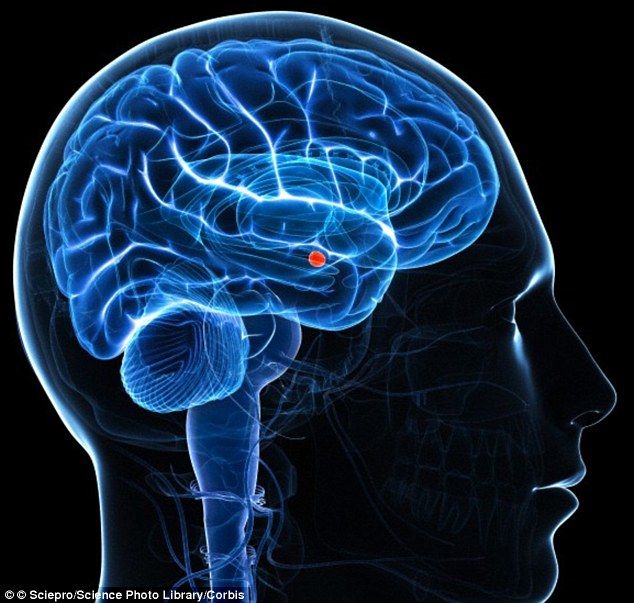
In the annals of neuroscience, there is one patient who has fascinated scientists for decades. Known only as SM, she suffers from Urbach-Wiethe Disease, a rare genetic disorder that left her unable to feel fear.
This condition is caused by mutations in the ECM1 gene, which normally helps maintain the structure of skin, mucous membranes, and certain brain regions. In SM’s case, the mutation caused calcification of the amygdala—a small almond-shaped structure deep within the brain that plays a key role in fear processing.
Without a functioning amygdala, SM could not feel fear even in the most dangerous situations. She was once held at knifepoint and didn’t flinch. She walked through haunted houses unmoved. She handled snakes with ease.
Though other symptoms of Urbach-Wiethe include hoarseness, thickened skin, and scarring, it's the emotional symptoms that most distinguish it. Fewer than 400 cases have ever been documented globally. SM’s brain—frozen in fearlessness—continues to teach us about the limits and functions of human emotion.
7. Hermansky–Pudlak Syndrome — The Hidden Cost of Albinism
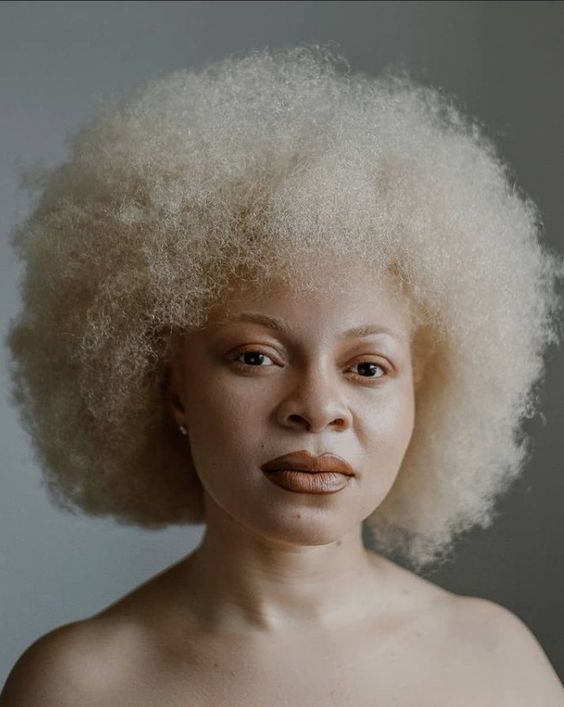
At first glance, Hermansky–Pudlak Syndrome (HPS) might look like a form of albinism. And it is—people with HPS often have very light skin, hair, and eyes due to a lack of melanin. But the danger lies beneath the surface.
This condition is caused by mutations in one of several genes involved in lysosome-related organelles, which are responsible for pigment production, blood clotting, and cellular waste management. In people with HPS, these systems malfunction—leading to bleeding disorders, pulmonary fibrosis, and even inflammatory bowel disease.
One of the most affected populations is in Puerto Rico, where due to a genetic bottleneck, 1 in every 1,800 people may carry the defective gene—far higher than the global average of 1 in 500,000.
Because the condition looks like standard albinism, it's often misdiagnosed—sometimes until a child suffers unexplained bleeding or an adult begins experiencing lung failure. For those with HPS, living carefully becomes a necessity: avoiding injury, sun exposure, and, in many cases, preparing for organ transplants.
DNA's Unfinished Story
Every one of us carries mutations. Most are harmless. Some are beneficial. But in rare, astonishing cases, a single mutation changes everything. These seven conditions reveal the unimaginable diversity—and vulnerability—of human biology.
They also remind us that science still has far to go. For every known syndrome, there are likely hundreds more waiting to be discovered, named, and understood. And for those already living with these rare mutations, research isn't academic—it's deeply personal.
Because in the end, DNA may write the first draft of our lives—but how we respond, how we live and advocate and endure—that’s a story no gene can predict.