The Sapeurs Of Congo: What they Teach Us About Dignity, Style, and Survival
An exploration of the Sapeurs of Brazzaville and Kinshasa, where fashion and everything clothing is a philosophy. Read about the place where dignity became resistance, and their style tells a powerful story of culture, identity, and survival.
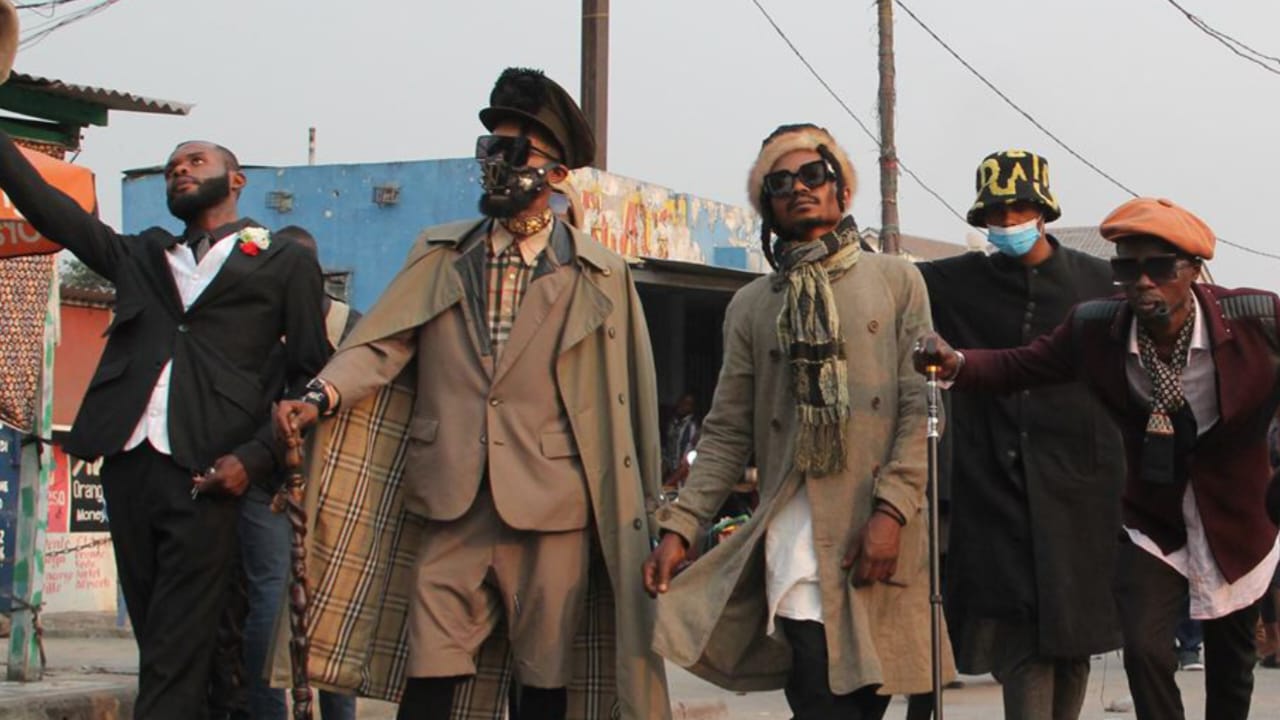
Have you heard about the Sapeurs in the region of the Congo around central Africa and their culture when it comes to fashion?
In cities often introduced to the world through the language of crisis, poverty, political instability, postcolonial struggle, something quietly spectacular happens on the streets of Brazzaville and Kinshasa.
Men, and increasingly women, step out dressed in impeccable suits, polished shoes, silk scarves, bold colours, and an almost theatrical confidence. They are the Sapeurs.
At first glance, the image feels unfamiliar and contradictory for a foreigner. How does extravagance survive where resources are scarce? Why would anyone invest so much in clothing when daily life itself is a negotiation?
Yet this is exactly where the story of the Sapeurs begins, not as fashion for fashion’s sake, but as a cultural response, a philosophy, and a deeply personal assertion of worth in the society that they are associated with.
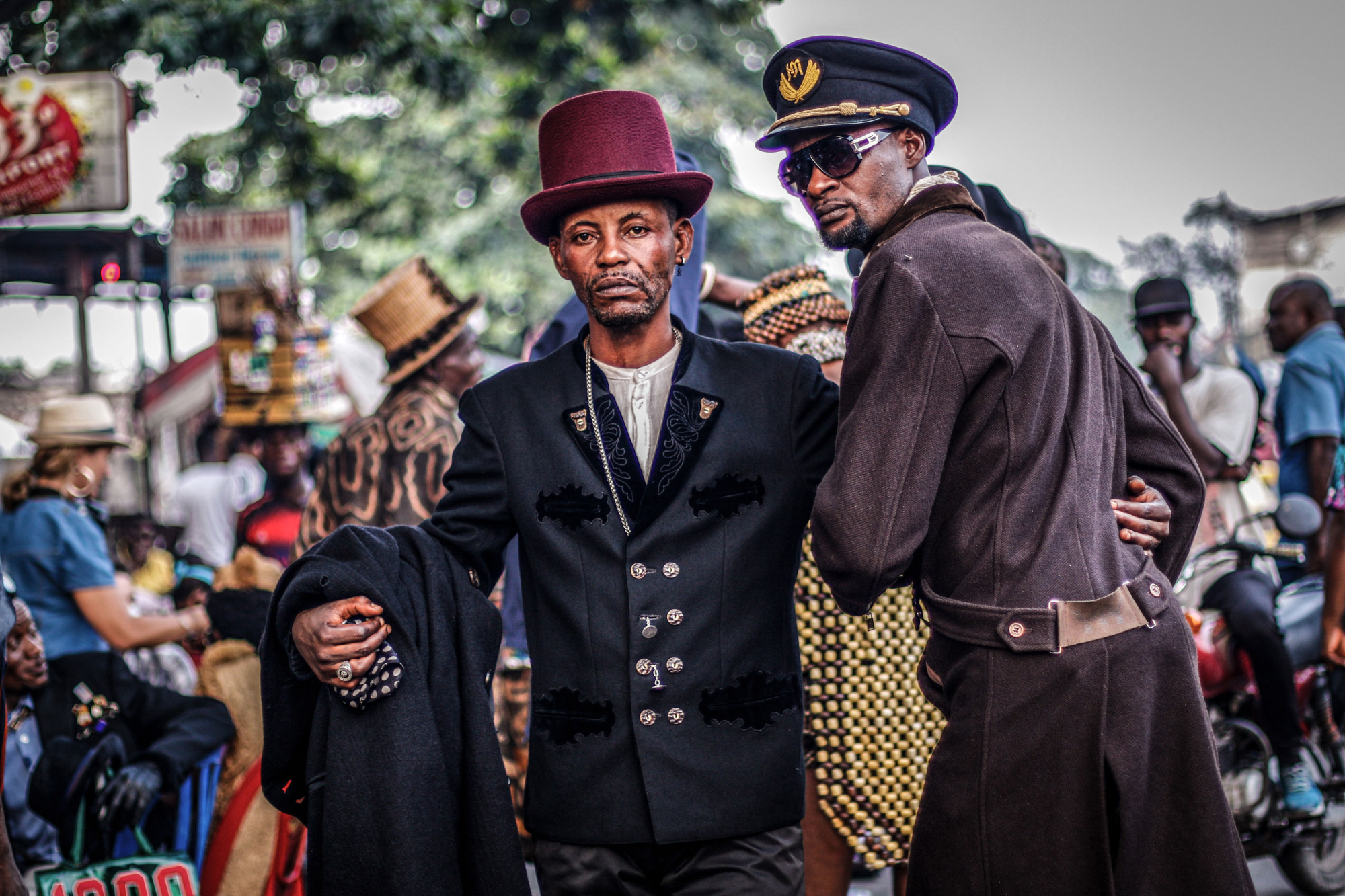
La Sape, short for Société des Ambianceurs et des Personnes Élégantes—the Society of Tastemakers and Elegant People, is not merely about dressing well. It is about making a statement in places where dignity is often stripped away and reclaiming a narrative that is often distorted when talked about.
It is about creating beauty where the environment insists otherwise and in Brazzaville (Republic of the Congo) and Kinshasa (Democratic Republic of the Congo), this century-old tradition has become one of the most striking cultural movements on the continent and i daresay it is not given the recognition that it deserves.
Who the Sapeurs Are and What They Represent
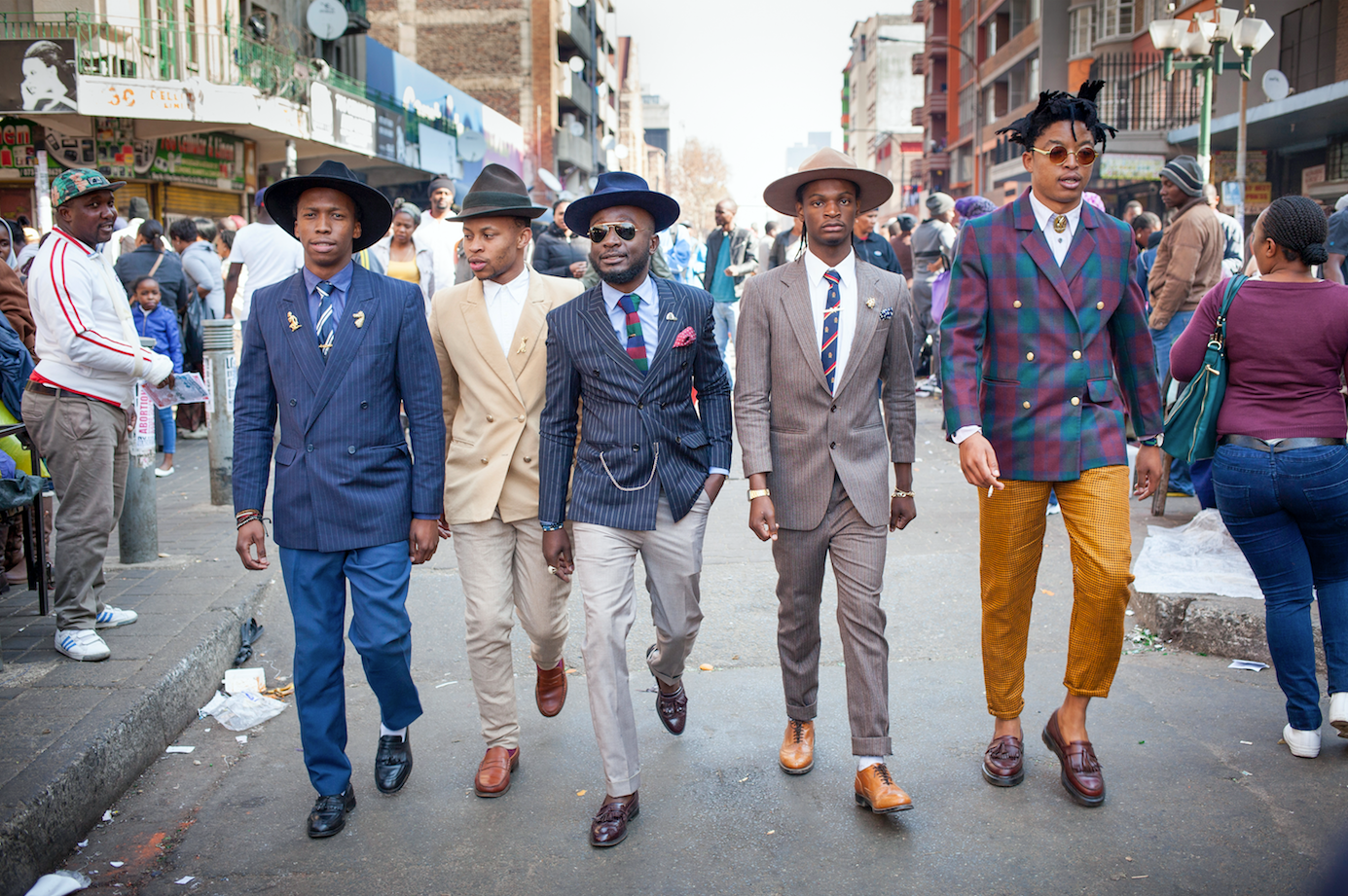
The roots of Sapeur culture trace back to the early 20th century, during the colonial era, when Congolese men encountered European fashion through French colonial workers known as Bapopo or Coastmen.
These workers returned from Europe dressed in tailored suits and fine fabrics, symbols of status and mobility. Congolese houseboys and workers were captivated, not just by the clothes, but by what they represented then: respect, control, and self-definition.
Culture
Read Between the Lines of African Society
Your Gateway to Africa's Untold Cultural Narratives.
The Sapeurs (or La Sape) take their name from the acronym for their group: SAPE, meaning “Société des Ambianceurs et des Personnes Élégantes.” This translates to “the Society of Tastemakers and Elegant People.” The term “Ambianceur” is a newer expression coined in francophone Africa, meaning “persons who create ambience.”
At first glance, Sapeurs might appear to be flamboyantly-dressed high-powered businessmen. In reality, they are everymen: taxi drivers, electricians, shoemakers, carpenters and merchants of different trades.
This movement didn't just happen overnight, Congolese men saw something that interested them and did something radical; they took the European aesthetic, rejected its hierarchy, and reinterpreted it on their own terms.
By the 1930s and 1940s, La Sape had evolved into both a fashion movement and a subtle intellectual resistance. Dressing elegantly became a way to reclaim humanity in systems designed to deny it.
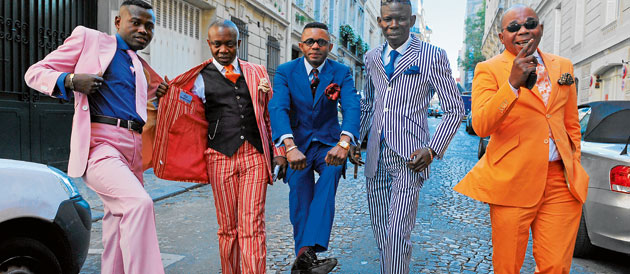
By the 1950s, La Sape fused with Congolese rumba and urban nightlife. Music, style, and identity became intertwined. Later, in the 1960s and 1970s, as economic instability and political upheaval pushed many Congolese to Europe, La Sape followed them. In Paris and London, where migrants often faced hostility and alienation, Sapeur culture offered belonging, pride, continuity and a sense of identity.

Today, Sapeurs are not elites, they are just anyone you come across in any region of the Congo of central Africa. What unites them is not wealth, but commitment. Their clothing is carefully curated—often saved for over years, swapped among friends, or sourced secondhand.
Brands matter, yes, Dior, Versace, Yohji Yamamoto, but fit, colour harmony, and confidence matter more than all of that.
There are rules when it comes to the sapeurs clothing, no more than three colours at once, excluding white. Balance over excess and true elegance over noise. Beyond clothing and style, there is conduct, the sapeurs are known and expected to be courteous, articulate, and nonviolent. Pacifism is central to their identity and in a region once scarred by war and political unrest, this matters.
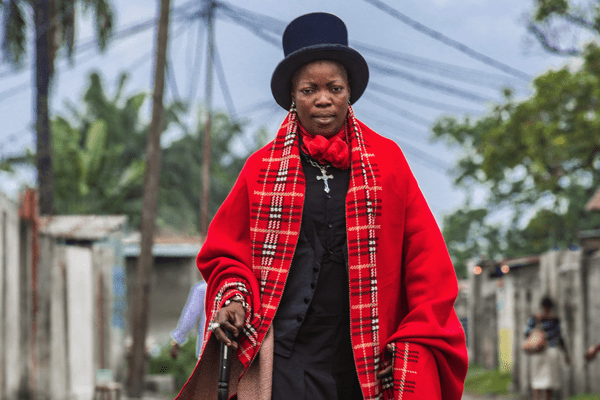
Women, known as Sapeuses,have also carved out space within the movement, particularly in Kinshasa, using style as both cultural expression and social challenge. What began as male-dominated is slowly evolving, reflecting broader shifts in African urban culture.
More Than Fashion: A Social Journey Of Identity in Motion
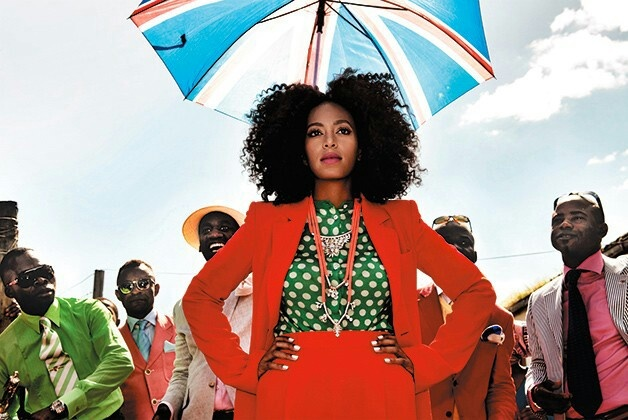
To dismiss the Sapeurs as flamboyant or frivolous is to miss the point entirely. La Sape is not escapism, it is confrontation, confrontation to the unfair social class of life.
Culture
Read Between the Lines of African Society
Your Gateway to Africa's Untold Cultural Narratives.
It confronts the idea that poverty must look miserable. It challenges the assumption that elegance belongs only to certain geographies or bank accounts and it insists that self-respect is not negotiable.
In Brazzaville and Kinshasa, Sapeurs create ambience, literally and metaphorically. If you walk across the street of the Congo, you should come across a sapeurs and you would see how their presence transforms streets into stages, hardship into performance, and survival into art.
They remind their communities, and the world, that beauty is not a luxury reserved for peace and prosperity alone.
There is also a broader lesson to learn here. Culture is not always loud protest or formal politics. Sometimes, it is a man choosing to wear a perfectly tailored suit in a city that tells him he should shrink. Sometimes, it is colour insisting on joy and it is also elegance as defiance.
La Sape endures because it speaks to something deeply human: the need to be seen, respected, and affirmed.
In choosing style, the Sapeurs choose visibility and in choosing that, they choose hope that is not built on external factors but on their identity.
They challenge the perception that clothing is used to determine social status and I think you should do the same too.
See you on the next one!