20 African Fashion Stars That You Should Know
Discover 20 African fashion stars redefining global style, from designers and models to creatives shaping culture, sustainability, and luxury across the continent.
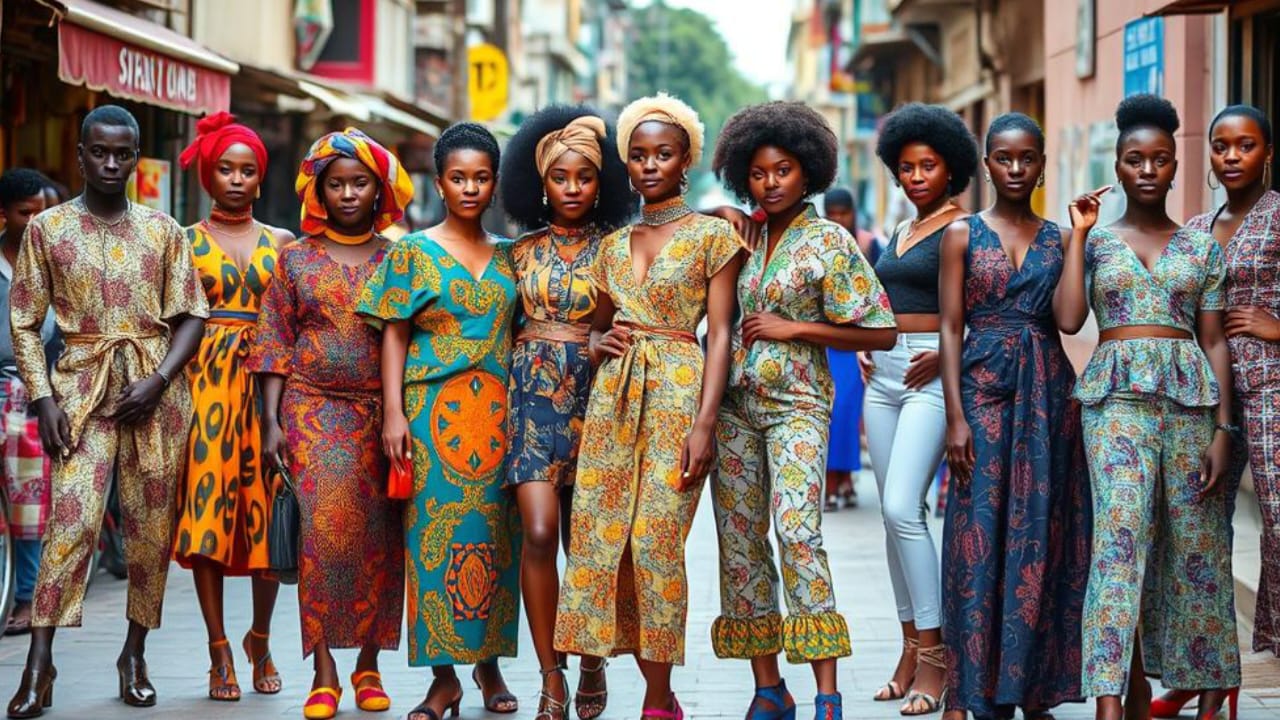
The African fashion industry has grown significantly and, in many ways, unexpectedly over the last decade, quietly positioning itself as one of the continent’s fastest-growing creative sectors.
Today, Africa accounts for an estimated 1–2% of the global fashion industry, which is valued at over $2.5 trillion worldwide, a small share on paper, but one that is expanding rapidly as African designers gain international recognition and local markets mature.
In countries like Nigeria, fashion is no longer just cultural expression; it is economic power. The fashion and apparel segment reportedly contributes over 35% of Nigeria’s e-commerce revenue, driven by a young population, social media, and a growing appetite for locally made designs.
South Africa’s fashion industry is equally booming, valued at over $4 billion, supported by structured retail systems, global exports, and a strong presence at international fashion weeks.
Despite this progress, the African fashion industry still holds vast untapped potential. Infrastructure gaps, limited access to funding, and global gatekeeping remain real challenges. Yet, the industry continues to evolve, powered by a new generation of designers, stylists, models, and creatives, many of them women, who are reshaping how African fashion is seen, worn, and valued globally.
Fashion in Africa, especially in Nigeria, has become a living archive of identity, resistance, and reinvention. It is no longer confined to traditional ceremonies or local markets; it now walks international runways, appears on red carpets, and shapes global trends. While we celebrate these icons, this list is also meant to inspire aspiring creatives across the continent.
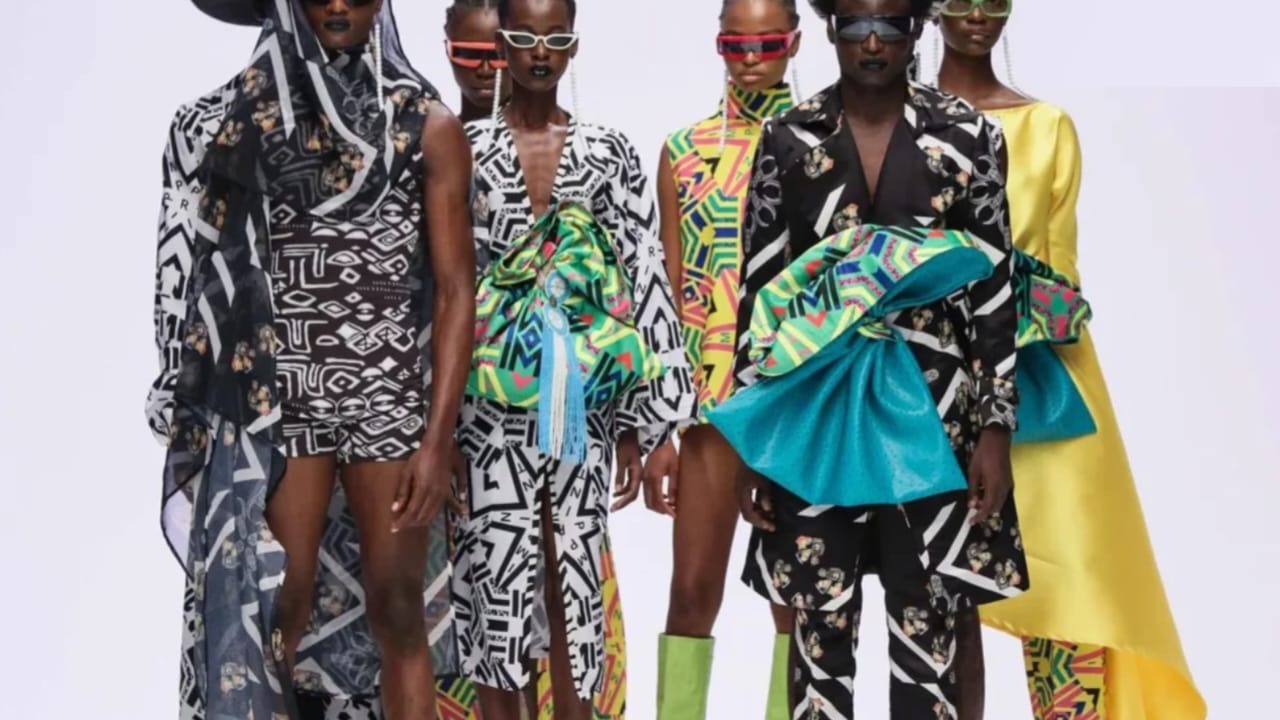
In no particular order and based on cultural impact, innovation, and influence both locally and globally, here are 20 African fashion stars you should know.
Thebe Magugu (South Africa)
An LVMH Prize winner, Magugu is celebrated for luxury womenswear that blends sharp tailoring with deep narratives around South African history, politics, and identity. His work is intellectual fashion, beautiful, but never empty.
Lisa Folawiyo (Nigeria)
A pioneer in luxury African fashion, Folawiyo reimagined Ankara by elevating it with hand embellishments and modern silhouettes. Her work helped push African prints into global high-fashion conversations.
Laduma Ngxokolo (Maxhosa Africa, South Africa)
Known for premium knitwear inspired by Xhosa beadwork and symbolism, Laduma’s designs preserve cultural heritage while appealing to a global luxury market.
Adebayo Oke-Lawal (Orange Culture, Nigeria)
Through gender-fluid designs and bold storytelling, Oke-Lawal challenges traditional masculinity and explores emotional vulnerability in African men.
Anifa Mvuemba (Hanifa, Congo)
Famed for her groundbreaking 3D virtual runway shows, Anifa champions inclusivity and designs for curvier Black women with confidence and flair.
Sarah Diouf (Tongoro Studio, Senegal)
Based in Dakar, Diouf builds luxury fashion with local artisans. Her designs gained global attention after being worn by Beyoncé, but her impact on African production is even more significant.
Toyin Lawani (Nigeria)
Founder and CEO of Tiannah Palace Empire, Lawani is a dominant force in Nigerian fashion. Known for her bold, theatrical designs, she balances creative excellence with entrepreneurship, running a fashion academy and beauty brand alongside her couture work.
Imane Ayissi (Cameroon)
A former dancer and model turned haute couture designer, Ayissi blends African textiles with Parisian craftsmanship, advocating sustainability on couture’s biggest stages.
Veekee James (Nigeria)
A luxury designer celebrated for sculpted silhouettes and glamorous bridal and red-carpet looks, Veekee James has quickly become a go-to for high-profile clients. Her designs are defined by elegance, structure, and an obsessive focus on fit and finish.
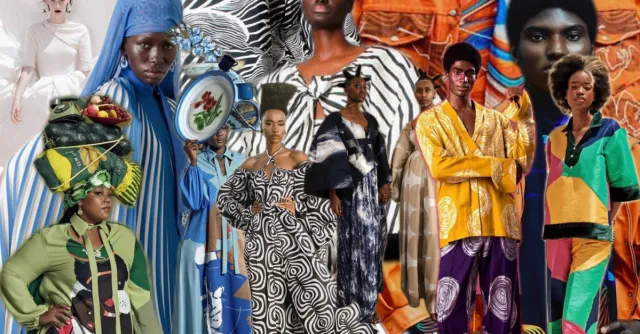
Sindiso Khumalo (South Africa)
Her work merges sustainable textiles with storytelling, highlighting African history while empowering local communities through ethical production.
Loza Maléombho (Ivory Coast)
Maléombho’s designs are bold, architectural, and deeply rooted in Ivorian heritage, often featuring sculptural silhouettes and traditional jewelry elements.
Kenneth Ize (Nigeria)
Recognized globally for revitalizing aso-oke, Ize collaborates with Nigerian weavers to create modern garments rooted in indigenous craftsmanship.
Selly Raby Kane (Senegal)
A multidisciplinary creative, Kane blends futuristic aesthetics with African folklore, producing avant-garde pieces that feel both ancestral and forward-looking.
Wisdom Kaye (Nigeria/USA)
Dubbed the “best-dressed guy on TikTok,” Kaye bridges high fashion, anime, and streetwear. His rise from social media to Paris Fashion Week reflects fashion’s digital evolution.
Hind Sahli (Morocco)
A trailblazer for Arab and Muslim representation, Sahli has worked with global fashion houses while challenging Western-centric beauty standards.
Florence Kasumba (Uganda)
Known for her commanding screen presence, Kasumba’s fashion sense mirrors her strength, tailored, edgy, and unapologetically bold.
Debbie Beeko (Ghana)
A stylist, consultant, and designer, Beeko’s work celebrates African identity without stereotypes. Her brand empowers women beyond age and trend limitations.
Kim Jayde (Zimbabwe)
A streetwear and sneaker culture icon, Jayde seamlessly blends urban fashion with luxury, influencing style conversations across Southern Africa.
Aisha Ayensu (Ghana)
Founder of Christie Brown, Ayensu is a leading voice in modern African luxury. Her brand fuses traditional prints with refined tailoring, positioning Ghanaian fashion on global runways and red carpets.
Nneka Michel (Nigeria/Germany)
A fashion creator known for her viral flag-inspired outfits, Michel blends African heritage with contemporary silhouettes. Her work turns clothing into cultural storytelling, exploring identity, migration, and pride through bold visual expression.
Conclusion: More Than Fashion
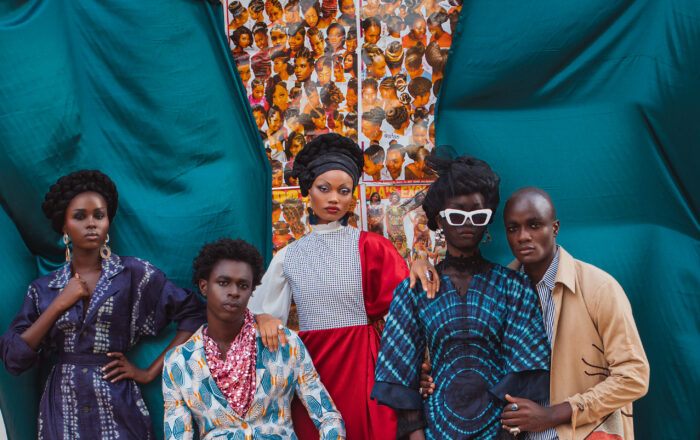
African fashion today is not merely about clothes, it is about reclaiming narratives, building industries, and asserting presence on a global stage that once overlooked the continent. These designers, models, and creatives are proof that African fashion is not emerging; it has arrived.
Yet, the journey is far from over. For African fashion to fully realize its potential, investment, documentation, and structural support must match the creativity already on display and in all of this one thing is clear: the future of global fashion will not be complete without Africa at its center.