The CBN Is Quietly Rebuilding Nigeria's Banking System And You Need to Know What Changed
In one week, the CBN overhauled digital banking security, restricted BVN phone number changes to once in a lifetime, and mandated ATM expansion with instant refunds. Here is everything that changed and what it means for every Nigerian with a bank account.
Nigeria's financial infrastructure is in the middle of a significant overhaul, and the Central Bank of Nigeria is the one holding the tools.
In the space of just a few days in March 2026, the apex bank issued a series of directives that touched nearly every dimension of how Nigerians interact with their money, from the moment they open a bank account, to how they change a phone number, to whether they can find a working ATM in their neighbourhood.
When looked at individually, each directive reads like a routine regulatory update, but when taken together, they tell the story of a regulator that has finally decided the country's digital banking boom can no longer outpace its security architecture.
Here is what the CBN has been doing and why every Nigerian with a bank account should be paying attention.
1. Liveness Checks, Device Limits, and a ₦20,000 Cap: The New Rules for Opening and Using a Bank Account
On March 12, 2026, the CBN issued a circular to banks, fintechs, and payment service providers establishing the minimum security requirements for instant payment systems in Nigeria. Financial institutions have until July 1, 2026 to comply, and the changes are sweeping.
The most immediately visible change is that all account opening and reactivation processes must now include liveness verification, a real-time biometric check confirming that the person completing the process is physically present validated against either a BVN or NIN database.
The era of purely document-based digital onboarding without live confirmation is over.
For mobile banking, the rules are equally firm. Banking applications must now operate under mandatory device binding, meaning a customer's app can only be active on one device at a time.
If you switch to a new phone, the app triggers additional authentication before it becomes functional again. First-time logins from a new device will require multi-factor authentication.
The headline figure that has drawn the most attention is the ₦20,000 transaction cap imposed on both inflows and outflows during the first 24 hours after a mobile banking app is newly activated, applying to both new and existing accounts using a freshly installed app.
The context behind these measures is stark, instant payments in Nigeria reached ₦284.99 trillion in the first quarter of 2025 alone. But accompanying that growth was a 603% year-on-year jump in fraud losses, reaching ₦3.29 billion in Q1 2025 with over 12,000 cases reported.
The CBN is now racing to close the gap between the speed of adoption and the depth of protection.
One addition that benefits customers directly: banks must now provide opt-in and opt-out functionality allowing users to disable real-time transfers from their accounts entirely if they choose.
The default remains opt-in, but the option to step back from instant payments now exists, something that will particularly appeal to customers who have experienced fraud or those managing accounts for elderly relatives.
2. One Change, for Life: The BVN Phone Number Rule That Changes Identity Security Forever
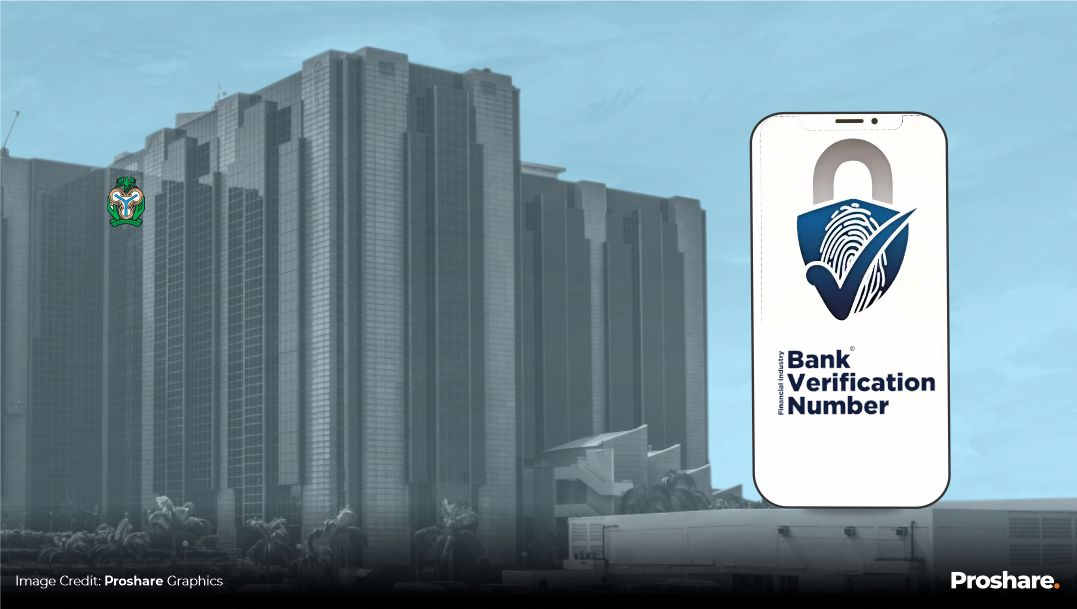
In a separate circular issued, the CBN announced that Nigerians will be permitted to update the phone number linked to their Bank Verification Number only once in a lifetime, the rule takes effect from May 1, 2026.
The weight of this directive becomes clear when you understand the role a BVN-linked phone number plays in Nigeria's banking system.

It is the channel through which OTPs are delivered, transaction alerts are sent, and account recovery is initiated.
It is, in practical terms, the key to the financial account and it has been a key that fraudsters have found disturbingly easy to duplicate through SIM swap schemes and social engineering attacks.
Nigeria's BVN system, introduced in 2014, now has 68.59 million enrolled individuals as of March 2026. The Nigeria Inter-Bank Settlement System has documented that SIM-related compromises are a significant driver of social engineering fraud, the country's leading fraud category, accounting for 62,901 cases in 2023 alone.
By capping phone number changes to once per lifetime, the CBN is not just closing a loophole, it is removing the door entirely.
Alongside this, the CBN has directed financial institutions to establish a temporary watchlist system for BVNs linked to suspicious activity.
A flagged BVN can be held on the watchlist for up to 24 hours while the bank contacts the customer to verify transactions, a pause mechanism that gives institutions time to investigate before funds leave the system.
3. More ATMs, Faster Refunds, and Domestic Processing: The Infrastructure Directive Nobody Is Talking About
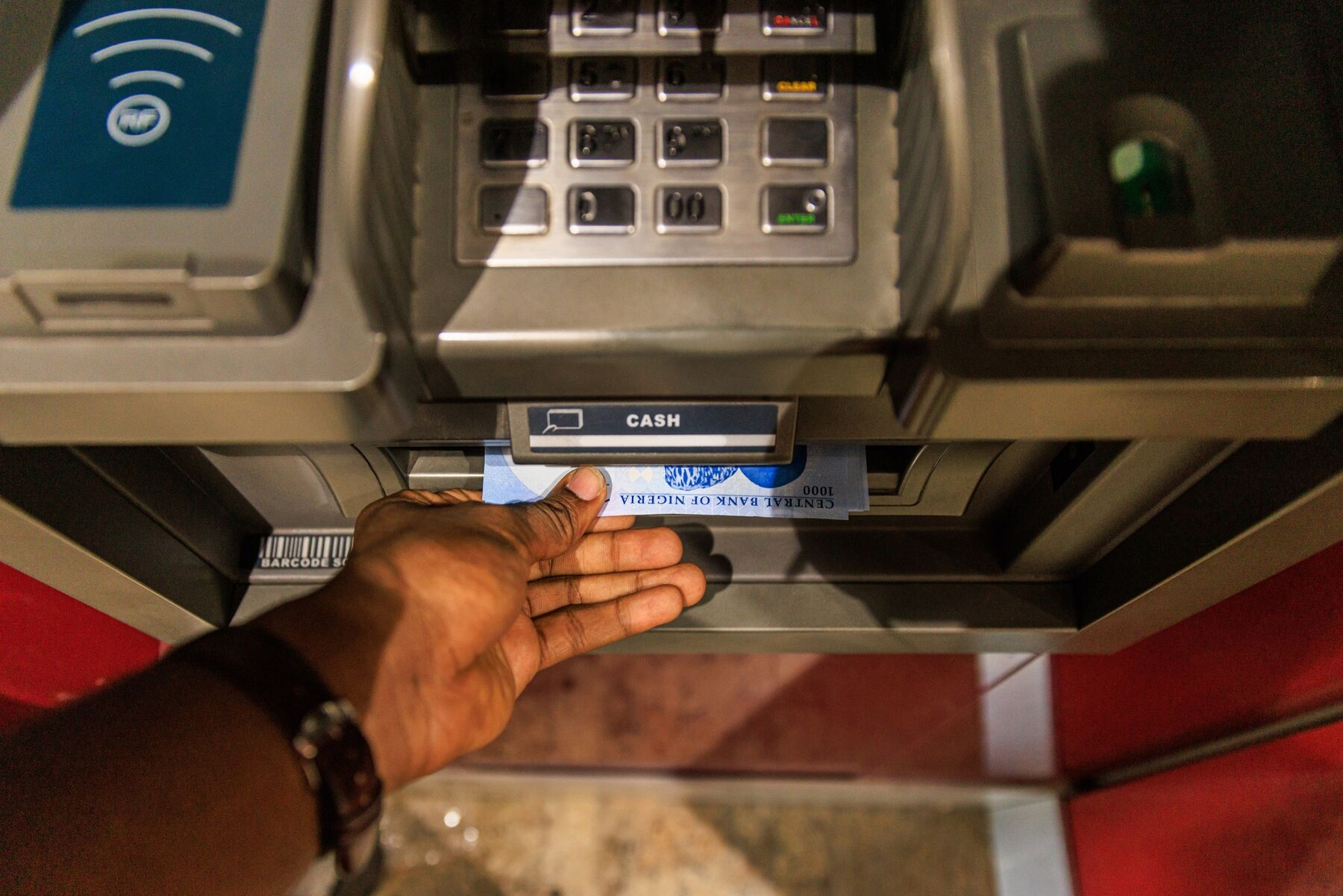
On March 13, 2026, one day after the fraud directives, CBN Director of Payment System Policy Musa Jimoh signed off on revised ATM operating guidelines that address a different but equally persistent frustration: the physical accessibility of cash and the nightmare of failed transactions.
Under the new framework, banks must maintain at least one ATM for every 7,500 payment cards issued, up from the previous 5,000 card ratio.
The three-year rollout is staggered: 30% compliance by 2026, 60% by 2027, and full compliance by 2028.
ATMs must also be located within reasonable distances from each other in both urban and rural areas, a direct acknowledgment that ATM deserts exist and must be addressed.
For anyone who has ever watched a transaction fail and spent weeks waiting for a refund, the new timelines will be welcome and relaxing.
Failed on-us ATM transactions, where the ATM and card issuer belong to the same bank, must now be reversed instantly.
Where automatic reversal fails, manual reversal must not exceed 24 hours. For interbank transactions, the refund window is 48 hours.
The CBN also took a firm position on transaction routing: all ATM transactions in Nigeria must be processed by a company operating within the country, and no card or payment scheme can compel Nigerian banks to route transactions outside Nigeria for processing, authorisation, or switching.
In an era of growing concern about data sovereignty, that directive carries implications well beyond the ATM queue.
The Bigger Picture
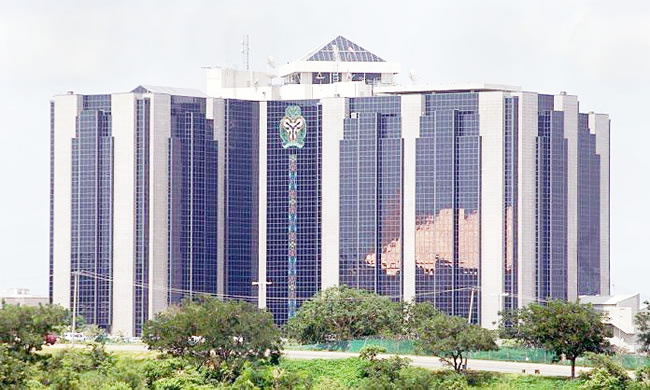
Three directives, one week, one clear message: the CBN is done allowing Nigeria's digital financial growth to carry the weight of its own vulnerabilities.
The measures are not perfect, implementation, enforcement, and consumer education will determine whether the policy achieves what the circulars promise. But the direction is unambiguous.
Nigeria's banking system is being rebuilt in real time. The question now is whether the institutions receiving these directives will move with the same urgency as the regulator issuing them.