Funmilayo Ransome-Kuti – The Pioneer of Women’s Rights Activist
Funmilayo Ransome-Kuti was a fearless Nigerian activist and educator who fought for women’s political, educational, and economic rights. As leader of the Abeokuta Women’s Union, she challenged colonial policies and inspired generations, including her son Fela Kuti, leaving a lasting legacy in Nigeria.
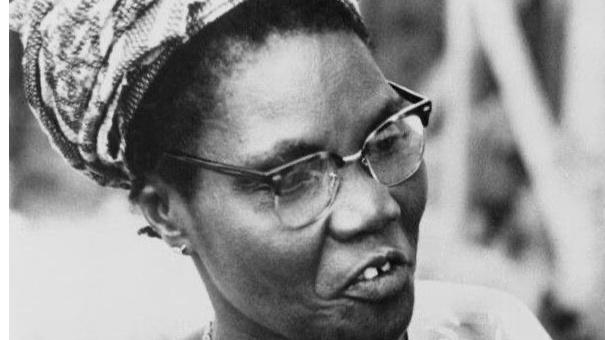
Chief Funmilayo Ransome-Kuti MON, also known as Funmilayo Aníkúlápó-Kuti and also “The Mother of Africa”, was a Nigerian educator, political campaigner, and women's rights activist. Her life was dedicated to advancing the rights of women and challenging social injustice.
Widely known as one of Nigeria’s most influential feminists, Funmilayo played a pivotal role in reshaping the country’s political and social landscape, leaving a legacy that continues to inspire generations of women and human rights advocates. Not only was she the first woman to drive in Nigeria, but she also founded the Abeokuta Women's Union and led significant protests for women's rights and against colonial rule.
Early Life and Education
Funmilayo Anikulapo was born in Abeokuta, Ogun State in the year 1900s on October 25, Funmilayo grew up in a family that valued education, moral responsibility, and community service.
Her father was a teacher who was also christian of Yoruba descent, and her upbringing exposed her early to the importance of knowledge and social engagement.
She made history as the first female student to attend the prestigious Abeokuta Girls’ Grammar School and later continued her studies in England, where she was introduced to ideas of women’s suffrage, civic engagement, and social reform.
These experiences shaped her belief that education and activism were essential tools for women to achieve equality and social justice.
Advocacy for Women’s Rights
Funmilayo’s activism focused on empowering women politically, socially, and economically. She believed that women’s voices were critical for the development of Nigerian society and that their exclusion from decision-making perpetuated injustice.
She actively advocated for women’s political participation, fighting for their right to vote and run for public office. She promoted educational opportunities, emphasizing literacy and higher education for girls as a pathway to empowerment.
In addition, she championed economic independence by organizing cooperative societies and encouraging women to take control of their financial resources.Throughout her life, she also opposed discriminatory colonial policies, unfair taxation, and patriarchal oppression, ensuring that women’s rights remained at the forefront of social and political reform.
She was married to Israel Oludotun Ransome-Kuti, an Anglican clergyman and teacher, in 1925.
The Abeokuta Women’s Union and Tax Protests
Funmilayo became a leading figure in the Abeokuta Women’s Union (AWU), one of the largest women-led political movements in Nigeria.
In 1946, she led a historic protest against colonial taxation policies, mobilizing over 10,000 women to confront both local and colonial authorities.
The protest was so powerful that it forced the resignation of the Alake of Abeokuta, the traditional ruler who had supported the colonial government.
This victory demonstrated Funmilayo’s skill in grassroots organizing and her ability to challenge entrenched authority while advancing women’s rights. Beyond taxation, Funmilayo advocated for broader social and political reforms.
She campaigned for women to take part in governance and public life, pushing for policies that recognized their contributions to society.
She also challenged colonial and local government structures when they perpetuated inequality, demonstrating both courage and strategic vision.

Her activism positioned her as a role model for women leaders across Nigeria and Africa, showing that women could influence national policy and societal transformation.
Impact on Family and Legacy
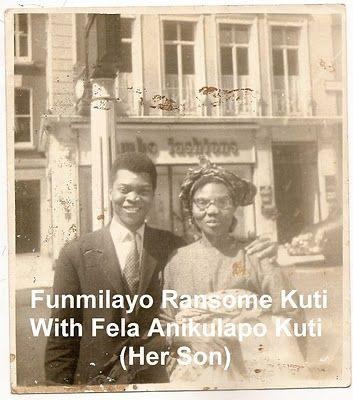
Funmilayo’s dedication to justice profoundly influenced her family. She was the mother of Fela Anikulapo Kuti, the legendary Afrobeat musician and political activist, and Beko Ransome-Kuti, a human rights lawyer.
Her values of courage, defiance against oppression, and advocacy for the marginalized were instilled in her children, creating a family legacy of activism and social change that spans generations.
Recognition and Enduring Influence
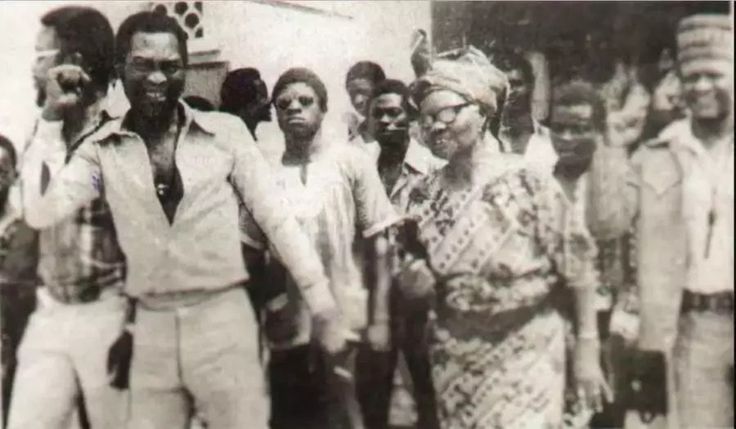
Funmilayo Ransome-Kuti is remembered as a foundational figure in Nigeria’s women’s rights movement. She demonstrated that women could mobilize, organize, and affect meaningful change in society.
Her leadership helped lay the groundwork for women’s suffrage and political participation in Nigeria and inspired future generations of female activists, educators, and leaders across Africa.
Even decades after her death in 1978, Funmilayo’s work continues to inspire and resonate. Her advocacy for equality, education, and social justice serves as a reminder of the critical role women play in shaping society and challenging injustice. She remains an enduring symbol of courage, empowerment, and visionary leadership.
In 1977 some 1,000 soldiers stormed the family property in Lagos, which Fela had transformed into a commune that he called the Kalakuta Republic.
During the assault, soldiers dragged Funmilayo by her hair and threw her out a second-story window. She died of complications from her injuries the following year.