Is Our Phones Listening Or Do They Already Know Us Too Well?
AI has changed how ads work but at what cost? Read about this to explore AI, big tech, targeted advertising, and why online privacy feels like an illusion.

So you know how when you're having a very chilled conversation with your friend and then you go to the internet, the next minute you're seeing ads based off of what you guys were just talking about 10 seconds ago.
Or when you actually searched for something on google and you are actually seeing ads based on what you searched for, more an aggressive algorithm that pushes contents relating to what you searched for on your face on various media platforms.
It's not really that deep if you think about it, maybe it's just deeper than how you think it actually is.
Because just take a moment to think about it: You’re having a relaxed, harmless conversation with a friend — maybe about sneakers, skincare, a vacation idea, or a random product you’ve never searched for and then a few minutes later, when you open Instagram or scroll through a website, and you see it waiting for you.
An advert, exactly what you were just talking about, too precise to be coincidence right? And most at times too frequent to ignore.
For years, people have actually joked about their phones and other devices “listening” to them. Some of the people usually tape their laptop cameras and others laugh it off as paranoia.
But recently, that joke stopped being funny when Google was sued. A group of users in California filed a class-action lawsuit accusing the company of unlawfully recording private conversations and using that data to serve targeted ads.
Google denied wrongdoing but still agreed on an out-of-court settlement of $68 million. Apple, in a similar privacy-related case, paid $95 million in 2024.
So maybe, just maybe, the people covering their webcams didn’t seem so dramatic after all and maybe the question to be asking now isn’t if privacy is being breached—it’s how much of it we’ve already given away without noticing.
AI, Big Tech, and the Business of Knowing You Too Well
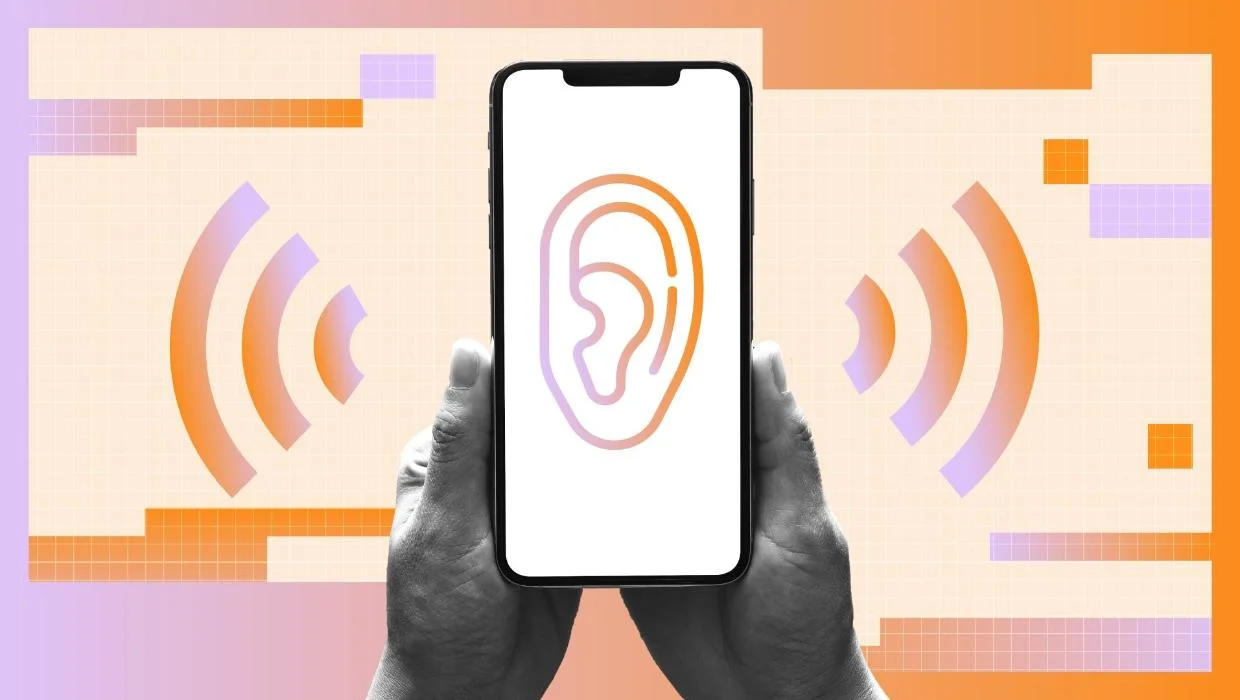
At the center of this unease is the relationship between artificial intelligence, big tech companies, and advertising. AI actually thrives on data. The more it knows about you, your habits, interests, routines, and preferences, the better it becomes at predicting what you’ll click, buy, or believe.
This uneasiness is not far-fetched; nearly half of Americans (48%) believe their phone is listening to them, and a similar 48% say they've received ads for topics they only know about or have searched for and another recent report revealed that a major marketing firm admitted to using its "Active Listening" software to monitor smartphone conversations for ads.

So when you search for something on Google and later see an ad for it on Instagram, it feels invasive, but also there are technical explanations to it. Cookies, tracking pixels, shared advertising networks, and cross-platform data partnerships allow companies to follow user behavior across the internet.
Google and Meta don’t need to “listen” to your microphone to know you were researching running shoes, your clicks and the contents you engage in already tells them. But is that all to it?
But the discomfort starts when ads reflect spoken conversations, not typed ones. Tech companies insist they do not actively listen to users through microphones for ad targeting.
Yet they admit that voice assistants, smart devices, and AI-powered tools constantly collect ambient data to “improve user experience.” That improvement, conveniently, also sharpens advertising precision.
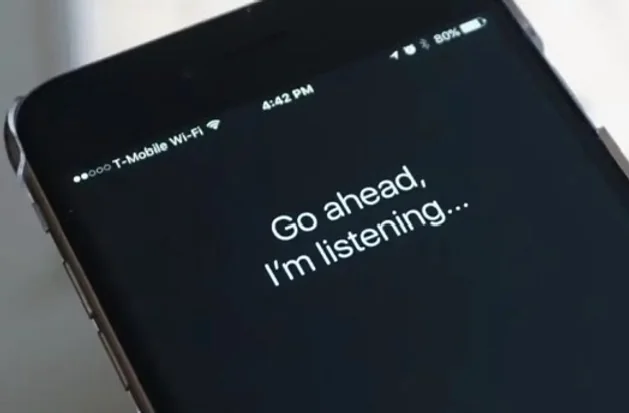
And i have a simple question to actually ask, if alexa or siri wasn't already listening, how does it answer immediately?
Now AI systems analyze everything:
What you search
How long you linger on a post
What you like, save, or ignore
Who you interact with
Where you go and when
Advertising is no longer about demographics; it’s a behavioral prediction. AI doesn’t wait for you to want something, it anticipates the desire before you articulate it and feeds on that desire for what it terms as patterns and algorithms.
This is why the line between “useful personalization” and “privacy invasion” feels increasingly blurry. Most big tech companies sit on massive datasets, and AI turns those datasets into profit engines. The user becomes both the product and the consumer, often without clear consent or understanding.
Conclusion: Convenience vs Consent in the Age of AI

Over the course of the past year of technological advancement, AI has made the internet smarter, faster, and more responsive. There’s no denying its benefits and personalized recommendations saves time.
Smart assistants simplify daily tasks. Targeted ads, when done ethically, both organically and AI assisted can be helpful. But convenience should not come at the cost of consent.
The real issue that I am talking about here isn’t just whether your phone is listening, it’s how much power we’ve quietly handed over. Most users don’t read privacy policies and few people understand how deeply interconnected platforms are. Even fewer know how to meaningfully opt out without sacrificing functionality.
What these lawsuits signal is not the end of surveillance-driven advertising, but a growing public awareness. But people should start to ask hard questions. Who owns our data? How is it stored? Who profits from it? And where do we draw the line?
AI is not inherently dangerous, but when it is unchecked, untransparent systems can normalize intrusion. The future of privacy will depend on regulation, ethical AI development, and user literacy. Until then, skepticism isn’t paranoia, it’s self-defense.
So maybe, just maybe the people taping their cameras and muting their microphones are onto something and maybe they know something that is not public knowledge yet— and this is not because technology is evil, but because privacy, once lost, is hard to reclaim.