The Diaspora Can Only Say Yes So Many Times: Africa's Quiet Battle For Diaspora Dollars
Five African governments are quietly courting the same diaspora wallet with competing bonds. Nobody has asked what happens when that well runs dry—or when trust runs out before the money does.
Emeka gets the first message on a Tuesday morning, a WhatsApp forward from his cousin in Lagos about a new naira-denominated bond "exclusively for Nigerians abroad."
By Thursday of that same week, his church brother from Accra was posting about Ghana's Remit2Invest desk. And by the weekend, a voice note from a long time friend in Ouagadougou is asking if he's heard about the Patriotic Bond.
Three countries, three pitches, one diaspora wallet, and Emeka hasn't even finished his coffee. He's not even imagining the coincidence.
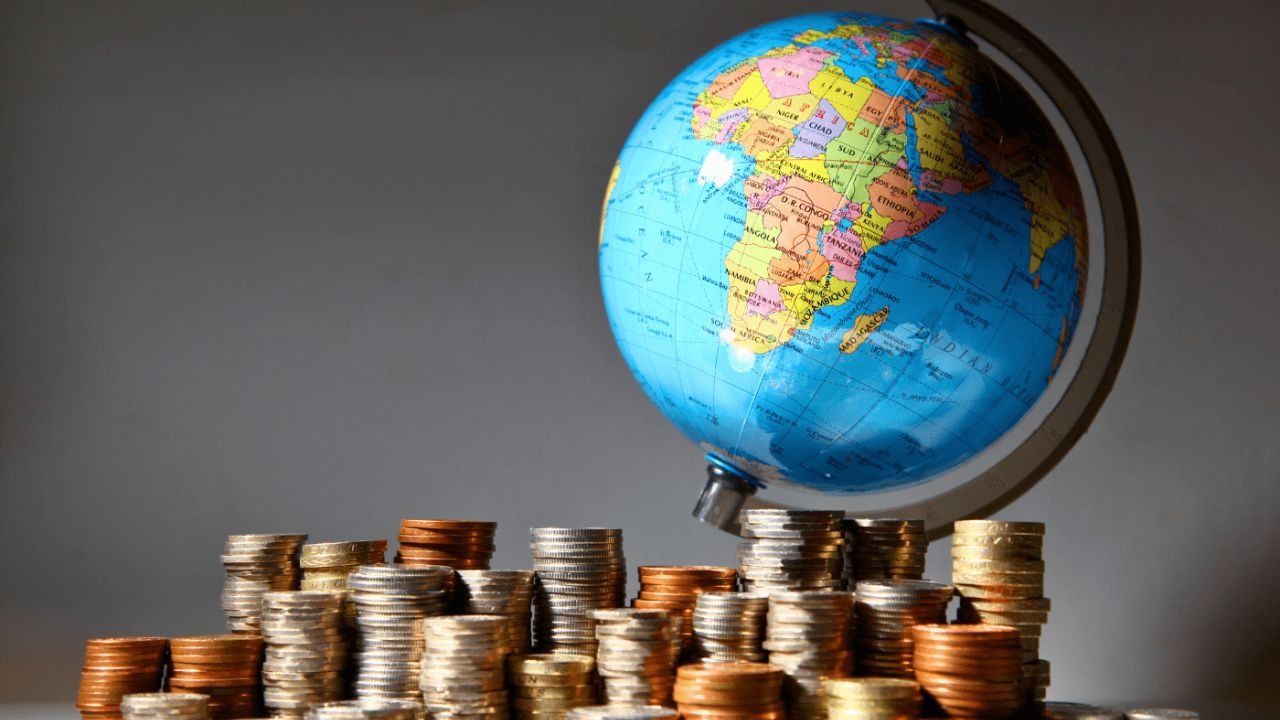
Between March and June of 2026 alone, Burkina Faso, Ghana, Kenya, and Nigeria either launched, expanded, or announced diaspora bond programmes, each one framed as a patriotic alternative to Western aid and each one aimed, whether governments admit it or not, at largely the same pool of African money sitting in foreign bank accounts.
Nobody in these finance ministries is talking about what happens when everyone shows up to the same well at once, or what happens when that well begins to prioritise caution over patriotism.
Everybody Wants A Piece Of The Same Wallet

Burkina Faso first announced its Patriotic Bond in early March 2026, with a launch webinar pencilling in a mid-March subscription date. It slipped by nearly two months. The bond didn't actually open until May 6, running a one-month window that closed June 6 with 151.5 billion CFA francs raised, well past its 125 billion CFA target.
Ghana's central bank governor, Johnson Pandit Asiama, unveiled Remit2Invest at a Washington roundtable in April 2026, leaning on remittance inflows that hit nearly $7.8 billion in 2025 and now outpace foreign direct investment in the country.
Kenya has set its own 2026 target of $500 million in diaspora bonds.Nigeria's 2017 diaspora bond of $300 million overshot its target and was redeemed in 2022; a second bond of up to $500 million was first floated by Finance Minister Olawale Edun in July 2024, with the central bank governor later hinting at a 2025 US issuance, though as of mid-2026 it still hasn't launched"
These are four countries, with four separate timelines, all converging on the same eighteen-month stretch.
Every one of these campaigns uses nearly identical language: patriotism, economic freedom, and an end to begging-bowl diplomacy. Nobody is coordinating, and nobody seems bothered by that.
The irony, of course, is that these countries are not competing with foreign investors, they are increasingly competing with one another for the trust and disposable income of their own people abroad.
The Math Only Works If Nobody Compares Notes
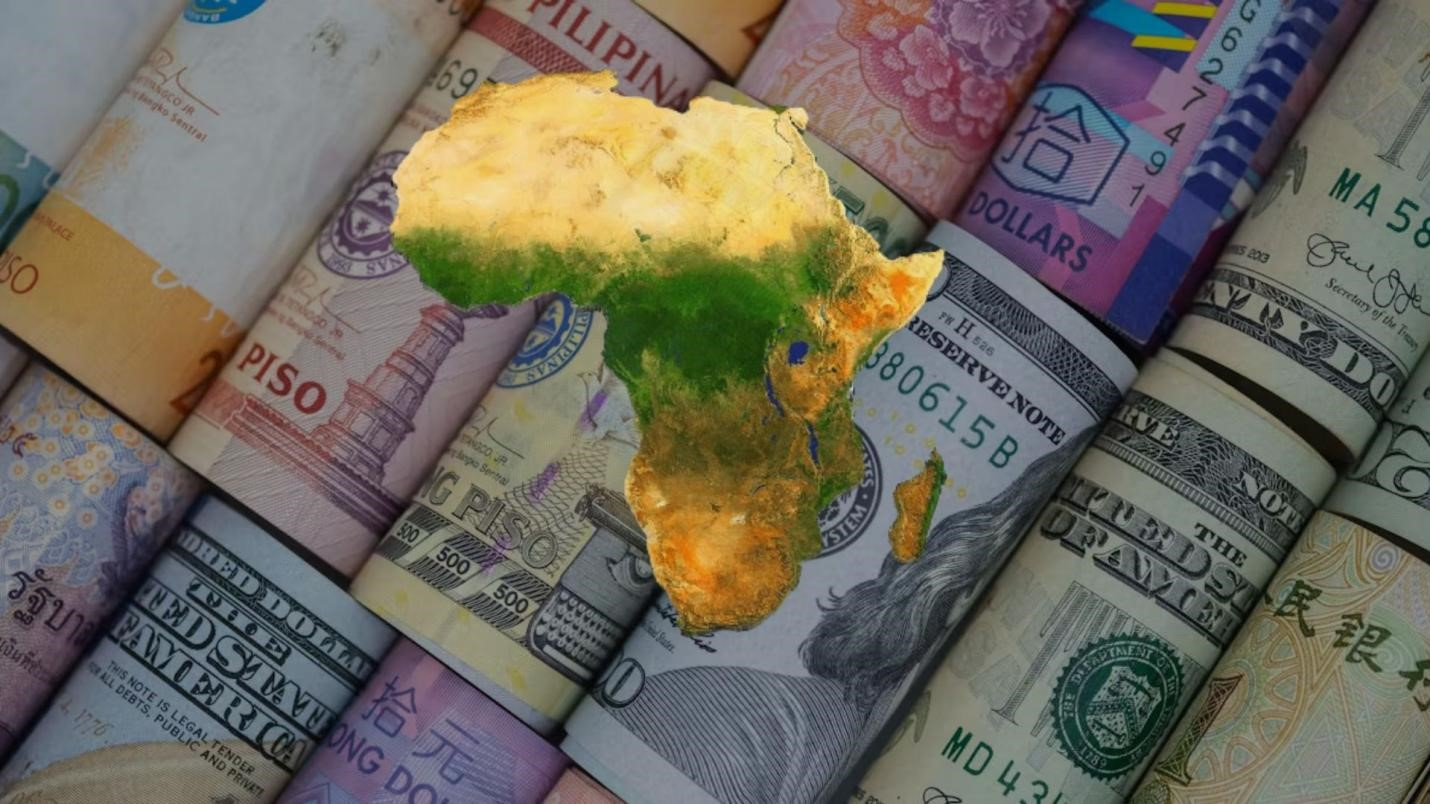
Analysts like to point to the eye-watering headline number—over $50 billion, some estimates say $100 billion—sitting in diaspora savings across the continent every year.
That figure gets recycled in almost every diaspora bond pitch deck, as if it were one unclaimed pot rather than money already earmarked for rent, school fees, retirement plans, and the sister back home who needs help opening a shop.
A Kenyan nurse in Manchester, a Ghanaian engineer in Toronto, and a Nigerian pharmacist in Houston are not separate reservoirs of capital. Many of them share church networks, family ties across borders, and the same finite monthly surplus.
Diaspora Connect
Stay Connected to Home
From Lagos to London, Accra to Atlanta - We Cover It All.
When five finance ministries pitch the same disposable income at once, someone's target is quietly built on someone else's shortfall, and nobody in Ouagadougou or Accra is modelling for that.
Diaspora capital is not infinite simply because it is foreign-earned. It is personal money that comes attached to obligations, competing priorities, and increasingly difficult economic realities abroad.
Trust Is The Only Currency Still In Short Supply

Ghana's own banking consultants have said it plainly: the toughest creditor Remit2Invest faces isn't a lack of money, it's memory.
Diaspora investors who lived through opaque past bond issuances, unclear guarantees, and governments that treated diaspora goodwill as a renewable resource are not easily won back with a new slogan.
Burkina Faso's success this year came from a military government that banned a major French broadcaster in the same season it courted diaspora cash, an odd pairing of nationalism and financial appeal that worked anyway, at least this once.

That's the real contest hiding beneath all this competition. It isn't which country markets hardest. It's which one proves, with actual traceable returns and institutional credibility, that it can be trusted with money sent from thousands of miles away.
Diaspora investors are no longer merely sending remittances out of sentiment; many increasingly want transparency, accountability, and measurable impact for every dollar invested.
One Failed Bond Could Poison The Whole Idea
This is the part nobody in the finance ministries wants to say out loud. Diaspora bonds don't fail quietly. When one country's issuance underperforms, or worse, when funds disappear into unrelated budget lines the way past experiments have, the story doesn't stay local.
It travels through the same WhatsApp groups and church networks that carried the pitch in the first place, and it taints every other country's campaign by association.
Trust, once broken, rarely respects national borders. Analysts at the Africa Financial Summit floated a Pan-African bond model back in late 2025, months before this year's rush of national launches, arguing that a coordinated approach could unlock more patient capital than five governments racing each other ever will.
So far, no finance ministry has picked up that idea because national pride sells better than shared infrastructure, even when shared infrastructure is the smarter financial bet.
Emeka will probably invest in one of these bonds eventually, maybe Nigeria's, because it's home, because the pitch reaches him first, or because guilt is a powerful marketing tool. But he can't invest in all of them, and neither can anyone like him.
The diaspora didn't ask to become a battleground for African finance ministries competing over the same names in the same contact lists.
If every capital city keeps treating that wallet as bottomless, they'll find out together, and painfully, that it isn't. The diaspora can only say yes so many times before it starts saying no to everyone.