OPay Wants a Legal Redress Over a Viral Claim. But What Actually Happens When False Information Moves Faster Than the Truth?
The OPay viral shutdown claim highlights the dangers of misinformation, the speed of social media rumours, and the legal challenges Nigerian companies face when seeking redress.
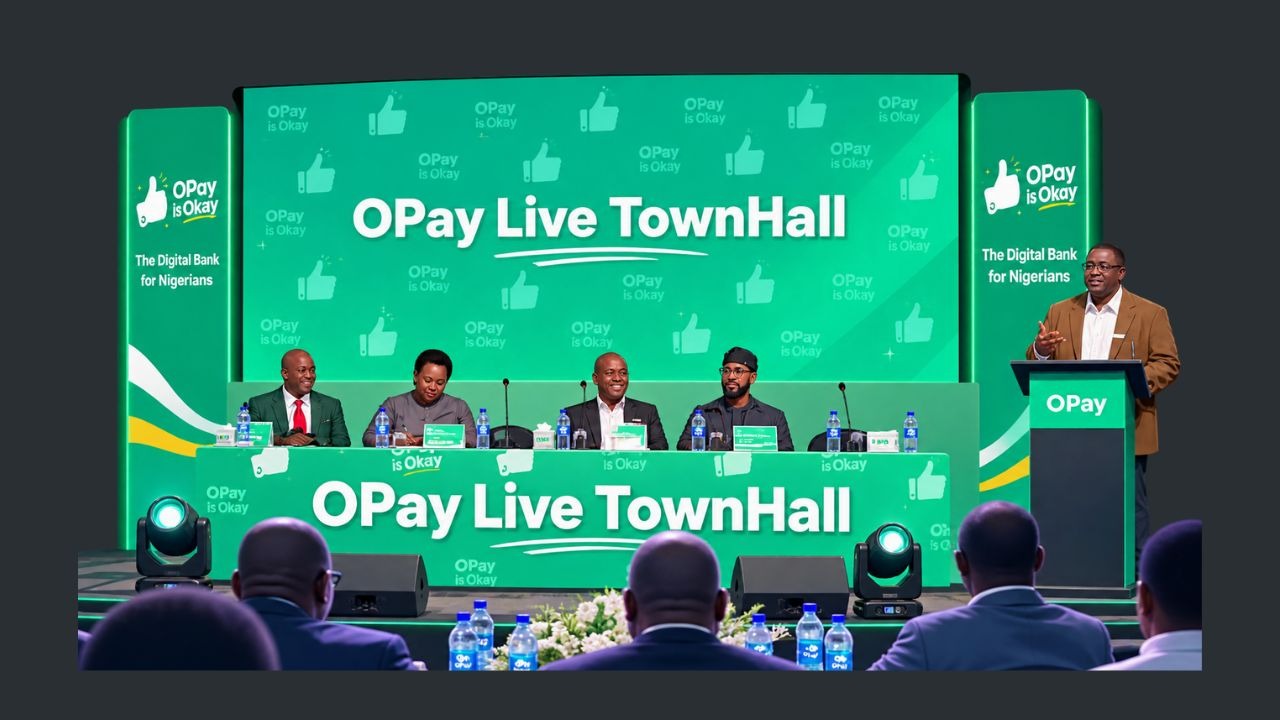
A few days ago, a memo was flying around social media claiming that OPay was allegedly suspending its operations in Nigeria. It was not a complicated story, but it was the kind of message capable of producing immediate panic: customers were urged to withdraw their money because the fintech was supposedly taking an "indefinite break."
By August 31, barely a day after the claim appeared on X, the post had travelled far beyond the account that published it, gathering more than two million impressions and finding its way into WhatsApp groups and statuses, conversations where messages do not always come with a convenient verification button.
For anyone with money sitting in an OPay account, the natural reaction may have been to wonder whether the message was true; some reportedly withdrew their funds, while OPay was left explaining that the information was false and misleading.
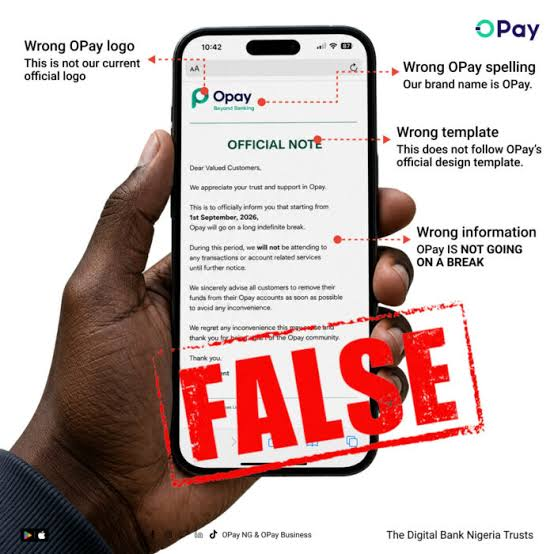
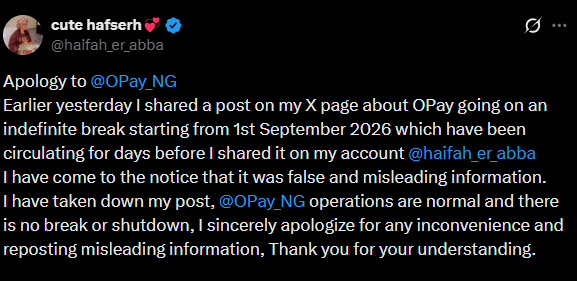
The person behind the post eventually deleted it and apologised, but the speed at which the claim travelled had already created the problem.
This is the uncomfortable part about misinformation in the age of social media: a correction does not travel at the speed of a rumour. A false claim takes seconds to share, while establishing the truth may require an official statement, a news report, or simply the patience to wait before pressing "forward."
We Have Become Too Comfortable Sharing Before Checking
There was a time when a frightening claim about a bank, company, or institution would probably have required a little more effort before it reached hundreds of people.
Someone might call another person, ask where the information came from, or wait for a newspaper or television station to confirm it. Social media has changed that rhythm.
Now when a message arrives, and it looks so convincing, several people have already shared it without verifying, and its popularity becomes mistaken for evidence.
A screenshot looks official because it contains a logo; a confident sentence sounds credible because somebody wrote it with certainty.
The OPay episode shows how dangerous that habit can become when the subject is money. Financial institutions operate heavily on trust; customers do not need to understand a company's balance sheet, technology infrastructure, or regulatory position before using its services — they simply need to believe their money will still be there when they need it.
A false message suggesting that a financial platform is shutting down does more than spread inaccurate information, it can interfere with the relationship between a company and its customers within hours.
And there is a larger problem here. Many people who shared the message may not have intended to cause harm, some genuinely believed they were warning friends and family, someone sends it to a WhatsApp group thinking let me tell people before it is too late, another forwards it almost immediately. By the time anyone asks where it came from, the original message may already be everywhere.
That is why personal responsibility matters even when the person sharing something did not create it. Forwarding information is also publishing it to another audience, and someone else having written the original does not remove the responsibility to consider whether it is true.
OPay Can Fight Back, But the Law Is Not as Simple as Social Media
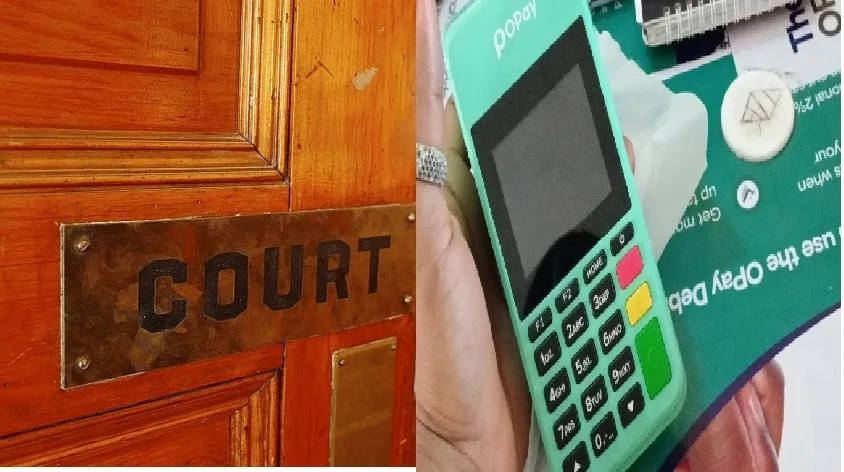
OPay has issued legal notices against those responsible for creating and circulating the false information, and the matter has reportedly reached the Central Bank of Nigeria, the Department of State Services and the Nigeria Police Force.
From a business perspective, the desire to respond is understandable, a company whose reputation and customer confidence have been hit by a viral falsehood cannot simply watch and hope an apology will erase the consequences. But taking someone to court is very different from asking them to delete a post.
The legal route available to a company is not necessarily the one available to an individual whose reputation has been attacked online. This is particularly clear from the case involving lawyer Femi Falana and Meta, in which a Lagos High Court awarded Falana $25,000 over a Facebook video concerning him, a case pursued through fundamental rights and data protection arguments rather than a conventional defamation claim.
That route is not automatically available to OPay: under Nigeria's data protection framework, a data subject is generally an identifiable living natural person, so an argument built for an individual may not work when a corporate reputation is affected.
For OPay, defamation may present a different question: it would have to establish the elements of the claim, deal with possible defences, and demonstrate the harm caused.
That thousands or millions saw something does not by itself settle the legal question, which is where the case becomes bigger than one tweet.
The Real Cost Of Being Wrong Will Be Decided in Court, Not Online
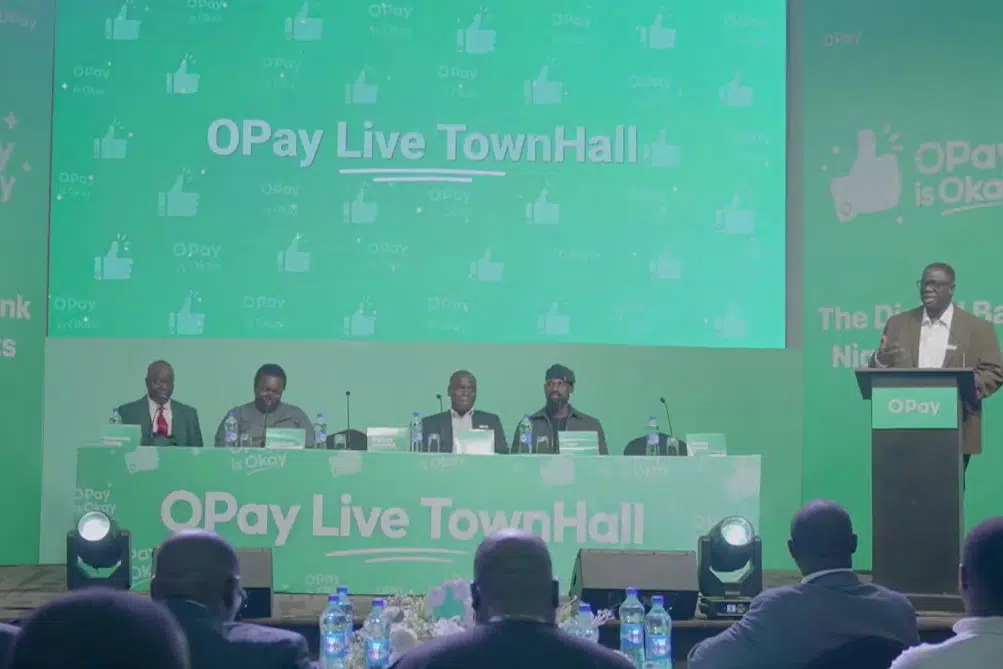

OPay has since issued formal legal notices to three social media users, Adamu B. Garba II, TikTok account @viralgrabtvng, and Cute Hafserh, demanding deletion, retraction and apology, with a warning of further action if they fail to comply. Still, the incident leaves behind an uncomfortable lesson for both companies and users.
For companies, reputation management can no longer begin after misinformation has gone viral. Institutions need fast, credible communication channels, the first explanation customers encounter may shape what they believe, and when money is involved, minutes matter.
For users, the responsibility is more ordinary and perhaps more difficult: slow down. Not every screenshot is evidence, not every viral post is news, and not every confident voice online has actually verified what it is saying.
There is nothing wrong with warning people about information that could genuinely affect their money or safety, the problem begins when the warning itself has not been checked.
The OPay claim also shows why apologies and deletions, although useful, cannot fully reverse the effects of misinformation; once people have acted on a false claim, the consequences already exist outside the original post.
Someone may have withdrawn money, another may have sent the message to twenty relatives, and someone who never saw the eventual apology may still believe the original claim.
This is the strange economy of attention we have created: false information need not remain online to remain influential.
OPay may eventually pursue legal redress, and the courts will determine whether its case meets the requirements of Nigerian law, but the episode has already exposed something legislation alone cannot easily solve.
We have built a communication system where almost everyone can become a broadcaster, but not the same enthusiasm for verification.
Arguably, the most useful response to the next alarming message is not to forward it, but to ask one question first: who confirmed this? On the internet, being first to share may earn attention. Being certain before sharing may prevent the damage altogether.