Agbero Culture in Nigeria: The System Behind Turning Public Spaces Into Private Territory
Agbero culture has become deeply embedded in Nigeria's public spaces, raising questions about informal power, street extortion, community ties, and who gets to control access.

There is a strange contradiction in the way Nigerians talk about agberos. In one conversation, an agbero is the person who stops a driver, demands "settlement" from a trader, or tells a film crew that a public space cannot be used without permission.
In another, that same person is the one who helps an elderly neighbour cross a difficult road, watches over a street at night, or makes sure a familiar face is welcomed home.
Whilst both versions are real, it is the first one Nigerians meet more often, the one that has come to shape what the word now means to most people.
This contradiction matters because the agbero story is bigger than extortion, it is about what happens when people at the margins of a formal system build informal systems of their own, systems that become embedded enough to provide both help and harassment, protection and intimidation.
The uncomfortable question is not why agberos behave badly, they usually tend to do, but how informal street authority grew powerful enough to operate alongside formal authority.
Before the "Agbero" Became a Menace
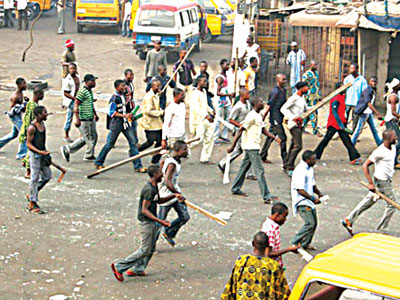
The word agbero is now almost automatically associated with motor parks, bus stops and street extortion, but the history is more complicated.
Research traces street groups to earlier periods, including colonial-era youth groups under different names, with the modern agbero emerging from the changing relationship between unemployed young men and informal transport.
In its earlier form, the transport tout simply called passengers and helped organise movement around a motor park. But as Lagos expanded and the transport sector became a bigger source of daily income, the role changed.
Scholars linked that shift to the economic insecurity of the 1980s Structural Adjustment Programme and the touts' incorporation into transport unions, particularly the National Union of Road Transport Workers.
Motor parks and bus stops became spaces where informal rules, collections and influence were negotiated daily, and political actors found value in the networks, deepening ties between street groups, unions and patronage.
The result was not a sudden criminal class but the gradual expansion of an informal economy around survival and protection, and once people earn from a system, removing it becomes harder than condemning it.
The Same Street Can Produce Help and Harm
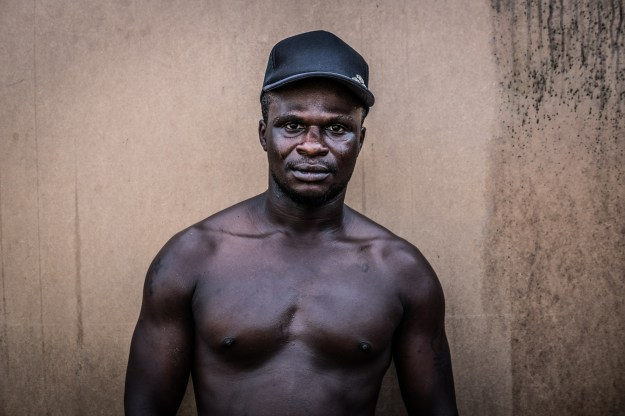
This is where the conversation gets uncomfortable. There are legitimate reasons to be angry about the experiences Nigerians have had with agberos: the driver forced to pay before passing, the film crew whose work is interrupted, the traveller repeatedly asked for money, the luxury-car owner surrounded by people demanding "settlement."
A viral video shared in September 2026 shows Chinese travel content creator Xiao Jony confronted by men identified in reports as local street touts while filming and trying local food at a Lagos market; he says he was told to pay simply for being foreign, and encountered more than 20 similar checkpoints along a 10-kilometre stretch, reigniting concerns about street extortion and the experience of visitors in Lagos.
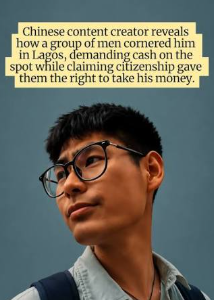
Recent incidents involving actress Bimbo Ademoye during an outdoor production, and reports of motorists stopped around Lekki, illustrate the same problem, and it is this version, the harm, that most Nigerians will confirm as the one they actually know.
Social Insight
Navigate the Rhythms of African Communities
Bold Conversations. Real Impact. True Narratives.
"The fear about agbero is valid, some streets you dare not pass at night, fear of assault while minding your business."
But these incidents should not be the only way we understand the people involved. Consider the lawyer who helped an agbero secure bail. That single act changed the relationship between them; since then, she has been warmly greeted in the neighbourhood by his friends, a reminder that relationships can exist where institutions are weak.

The same can happen in smaller ways: an agbero locating a missing passenger, assisting a stranded driver, or settling a dispute before it turns violent.
These actions do not erase the harm of intimidation or illegal collections; they simply show the informal street network is not populated only by people incapable of kindness, even if kindness is the exception most people never see
This is partly why "agbero culture" can mislead when it becomes a synonym for criminality, the culture is also about relationships, recognition and reciprocity, as the lawyer discovered.

The problem begins when reciprocity turns into compulsory payment. Helping someone because you know them is one thing; demanding money from a stranger because you believe the street belongs to you is another. The first builds community. The second converts public space into private territory.
Who Gave the Street Its Authority?
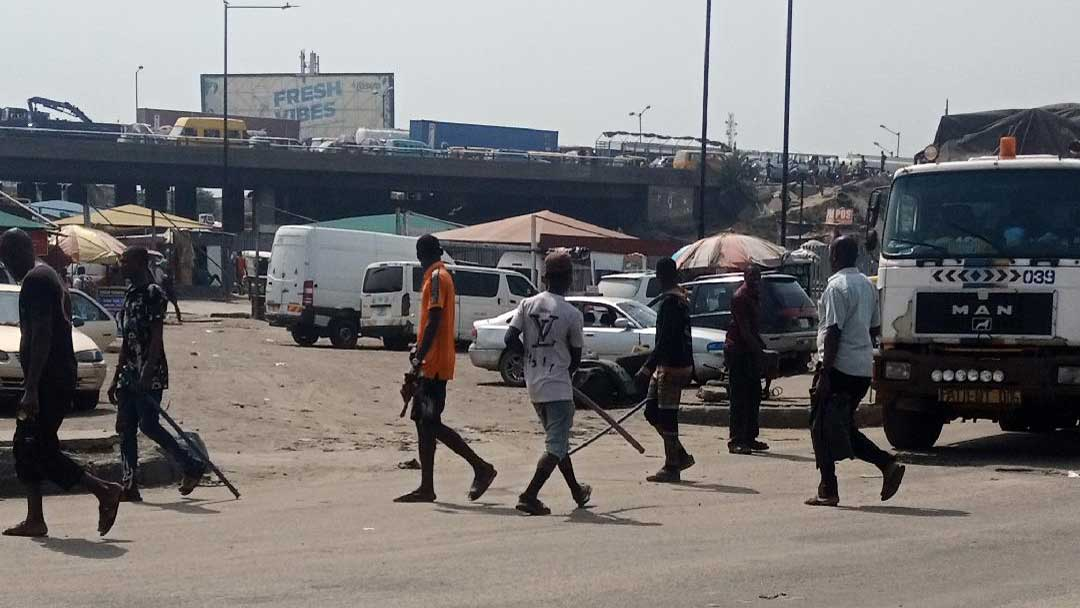
The biggest mistake is imagining that agberos simply woke up one morning and decided Lagos belonged to them. Informal authority usually grows where formal authority is inconsistent, inaccessible, or distrusted.
Lagos has spent decades trying to regulate its transport system, yet informal operators remain deeply embedded in the city's everyday mobility, participants in managing public transport as much as actors in extortion and violent patronage, with tout activity spreading, one Shomolu study found, well beyond motor parks into markets and streets generally.
That expansion is what Nigerians encounter today: the agbero economy no longer means only money collected at a motor park, but payment for access, passage, tolerance, or simply avoiding a confrontation, a logic that turns almost any busy public location into an opportunity for informal collection.
Yet the state cannot arrest its way out of the problem. If the economic conditions that sustain it remain, removing one group only creates space for another, especially where informal collection still pays more reliably than the legitimate opportunities available, and where political actors continue to find these networks useful.
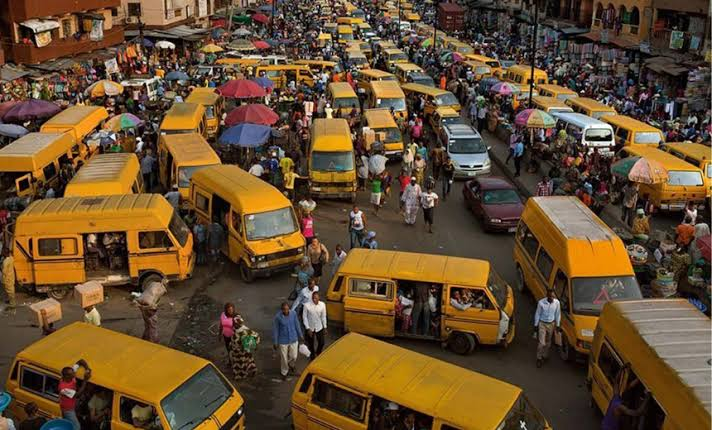
This is also why the good experiences matter, even if they are the quieter half of the story: a social structure already exists underneath the problem, one of people who know, protect and mobilise for one another. The question is whether that energy can be redirected into legitimate community structures rather than simply destroyed.
Public roads, markets, bus stops and streets cannot become private territories because someone has stood there longer than everyone else, but not every person in an informal system should be reduced to a stereotype of a violent tout, even as that stereotype is often the one being lived out.
The real challenge is separating community from coercion, assistance from extortion, belonging from ownership. Nigeria needs streets where nobody has to pay for the right to exist in public.
Maybe that is the deeper story of agbero culture: not that Nigerians have taken over public spaces, but that when formal systems leave enough gaps, people build informal ones — until those systems become normal enough that everyone begins negotiating with them as though they were law.