The Art of Solo Travelling: Finding Fulfillment Within Yourself
An insightful read about solo traveling as a tool for self-awareness, fulfillment, and intentional living, blending storytelling with reflection on independence and connection.
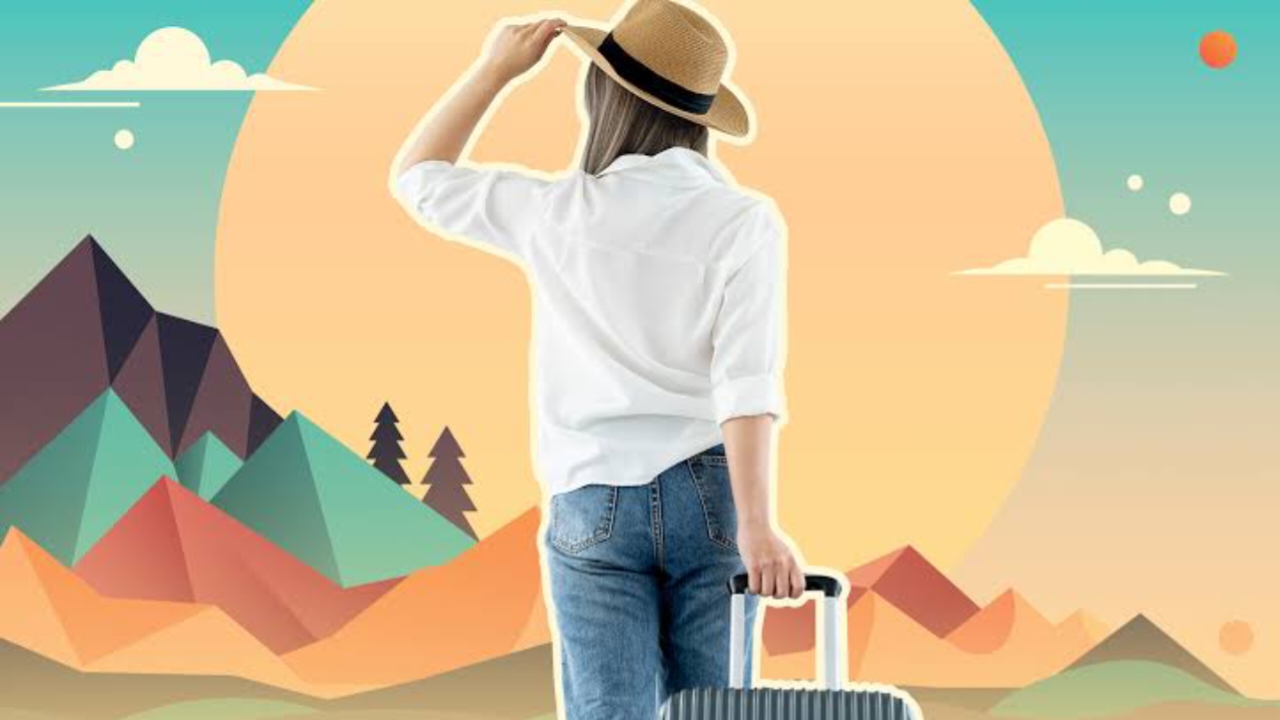
Solo travel has always been romanticized, misunderstood, and sometimes weaponized by social media, to some, it looks like courage, to others and for many on the scale it is loneliness disguised as freedom.
But solo travel, in its truest sense, is neither an escape from people nor a loud announcement that you can survive without anyone. It is simply the decision to spend intentional time with yourself, in unfamiliar spaces, without outsourcing your sense of fulfillment.
In plain terms, solo travel means moving through a place alone and enjoying your own company.
This means planning your journey, making decisions independently, and sitting with your thoughts without distraction.
What it does not mean is proving emotional strength to the world or adopting the extreme idea that self-sufficiency equals self-worth.

No one truly thrives in isolation, humans are wired for connection and even the most confident individual eventually relies on conversations with people, directions from expertise in a particular field, and shared moments with people they meet during the course of life's journey.
The fulfillment that solo travel offers comes from self-trust, not self-denial. It teaches you how to enjoy your own company without making solitude a performance.
You learn how to eat alone without rushing, how to walk without destination and how to observe without having the need to narrate. Confidence grows quietly when you realize you do not need constant validation to feel complete, but it is also understanding that asking for help does not weaken you.
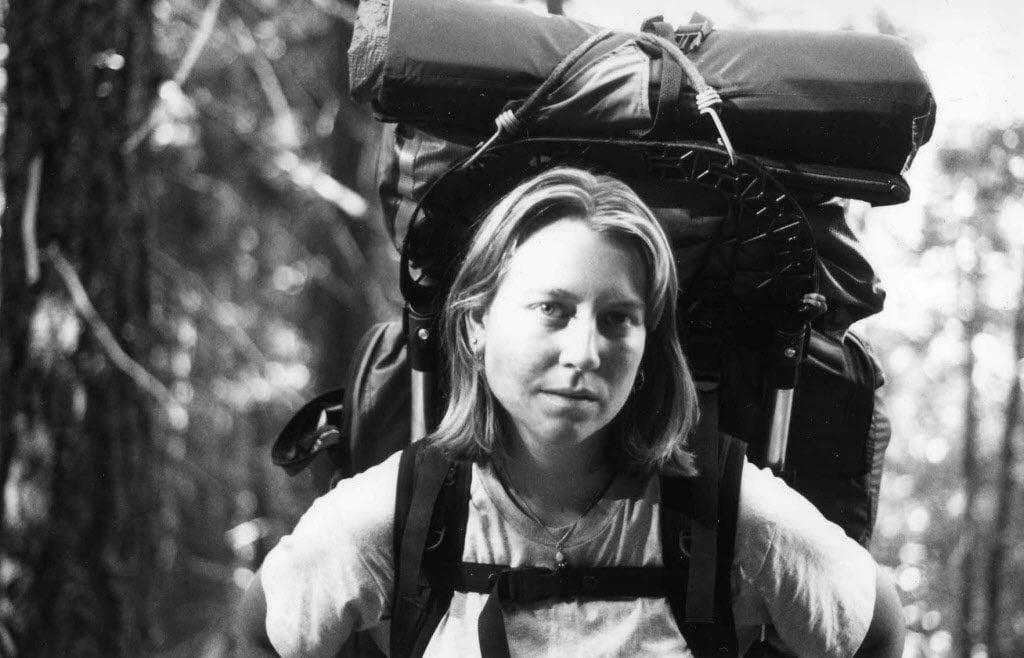
This idea is not new. Writers like Cheryl Strayed captured it vividly in her book, Wild, where walking alone through unfamiliar terrain was not about proving toughness but about confronting herself honestly.
The journey mattered because of what it actually revealed to her internally and not because it looked impressive externally.
Solo travel is not about rejecting companionship. It is about meeting yourself clearly before inviting others into the picture.
Planning the Journey: How Solo Travel Can Be A Form Of Healing.

Planning a solo trip does not require dramatic reinvention or expensive destinations like the way you see on social media.
It begins with intention: where do you want to go, and more importantly, why? Sometimes the answer is rest, other times, curiosity. Occasionally, it is simply the need to step away from routines that feel too loud.
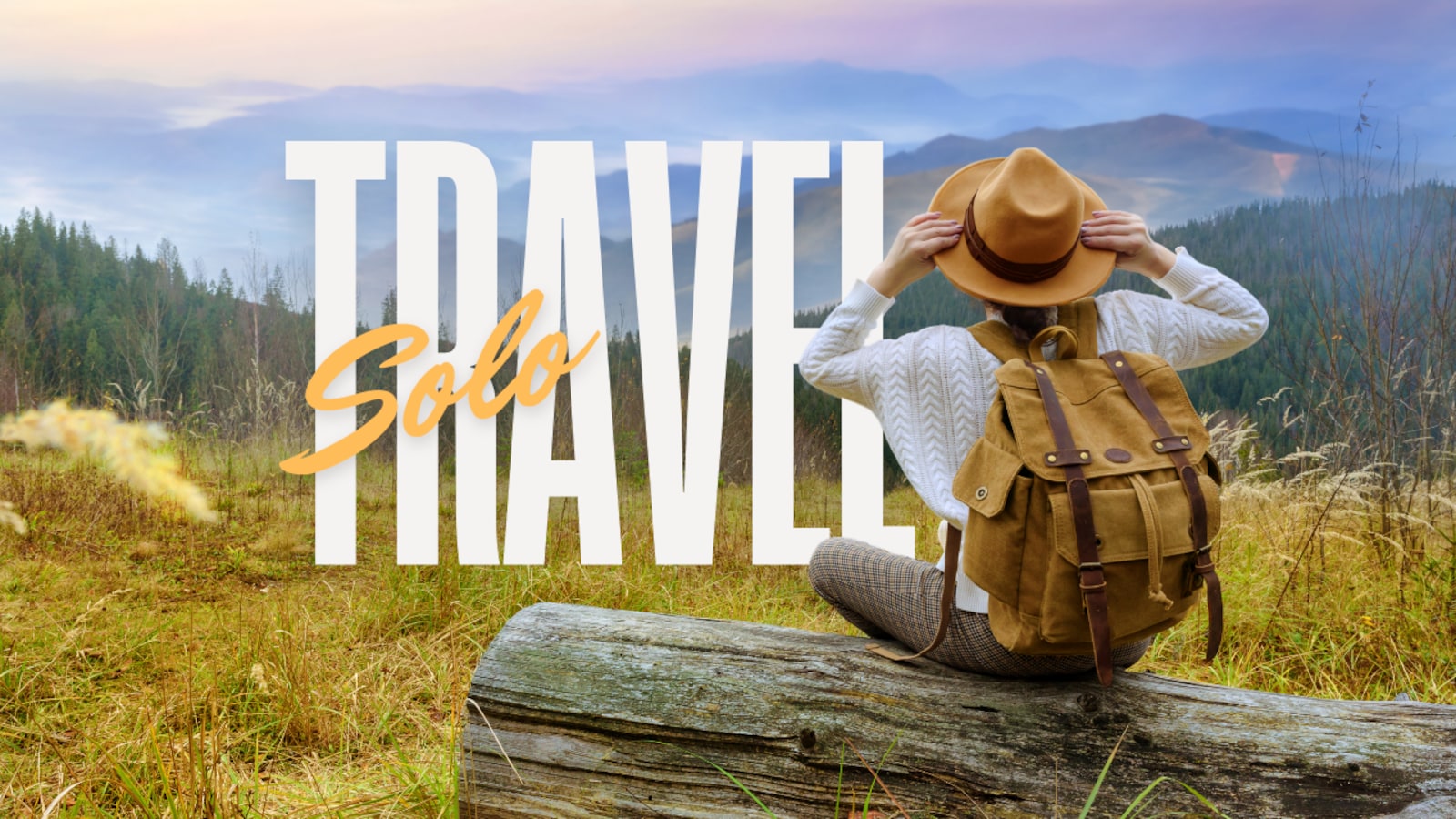
Solo dates and solo travel thrive on flexibility. You are not negotiating preferences or rushing to keep up with anyone else’s schedule. You can wake up late, linger in cafés, change plans mid-day, or do absolutely nothing without guilt. That freedom alone is therapeutic, I can't lie about that.
Travel eases tension because it disrupts repetition. Daily life often traps us in cycles of productivity, wake, work, commute, repeat.
Movement breaks that rhythm. You notice things that you might not know exist or take a mental cue about: architecture, accents, food textures, body language. Your mind shifts from autopilot to awareness.
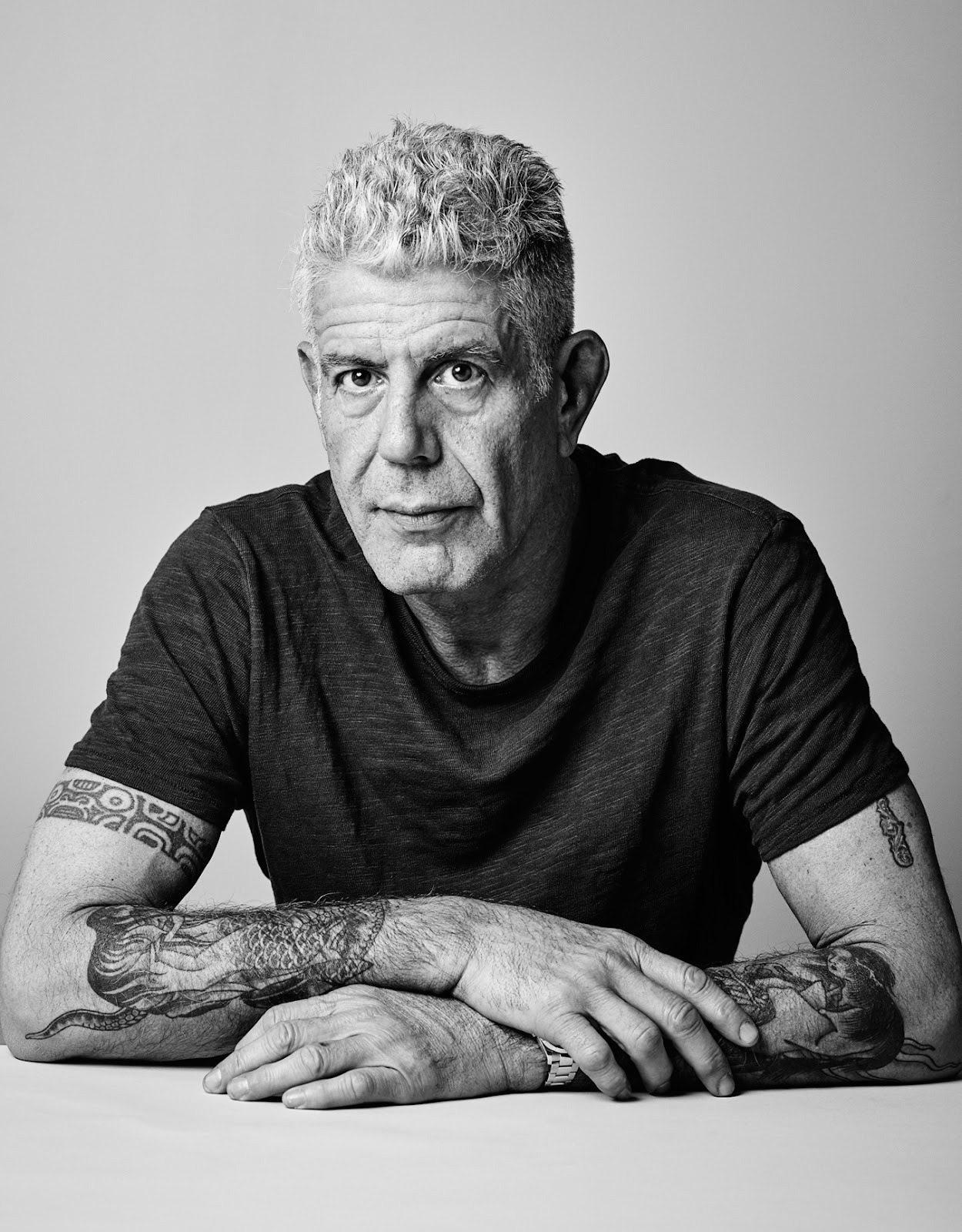
This is why travelers like Anthony Bourdain never treated movement as luxury tourism. For him, travel was observation, discomfort, conversation, and reflection. It was about understanding people and places as they are, not as postcards.
That same philosophy quietly can be linked to solo traveling, you are not chasing aesthetics, you are collecting perspective and seeing the world for what it truly is.
Meeting new people happens naturally when you are alone. Conversations become lighter because expectations are lower. You are not representing a group; you are simply existing.
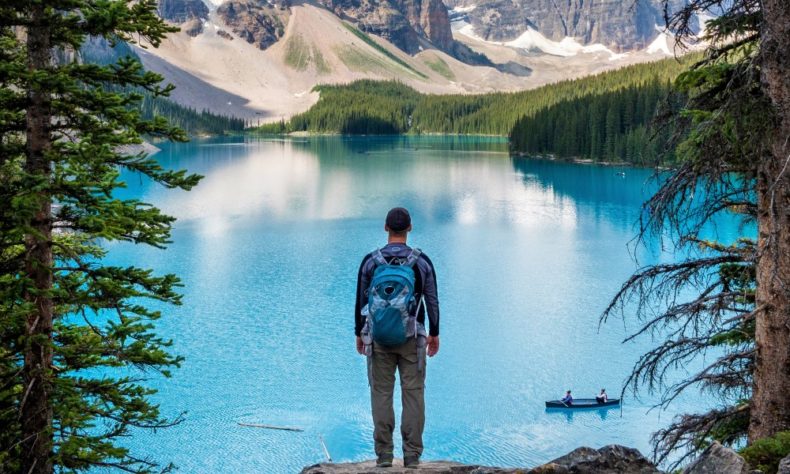
Exposure to different lifestyles, cultures, and systems expands your understanding of what is possible. You begin to see that the life you are used to is not the only template available.
Traveling to new places also reframes limitations. Things you thought were unreachable suddenly feel tangible when you see others living differently.
That perspective alone can reset ambition, creativity, and gratitude. Solo travel does not magically fix problems, but it creates space and space is often what clarity needs.
Fulfillment Is Not Found, It Is Practiced
The lesson to learn and understand from solo traveling is not that solitude is superior. It is that self fulfillment does not require an audience. Spending time alone teaches you how to listen inwardly without judgment, how to sit with discomfort without escaping it, and how to appreciate moments with or without documenting them.
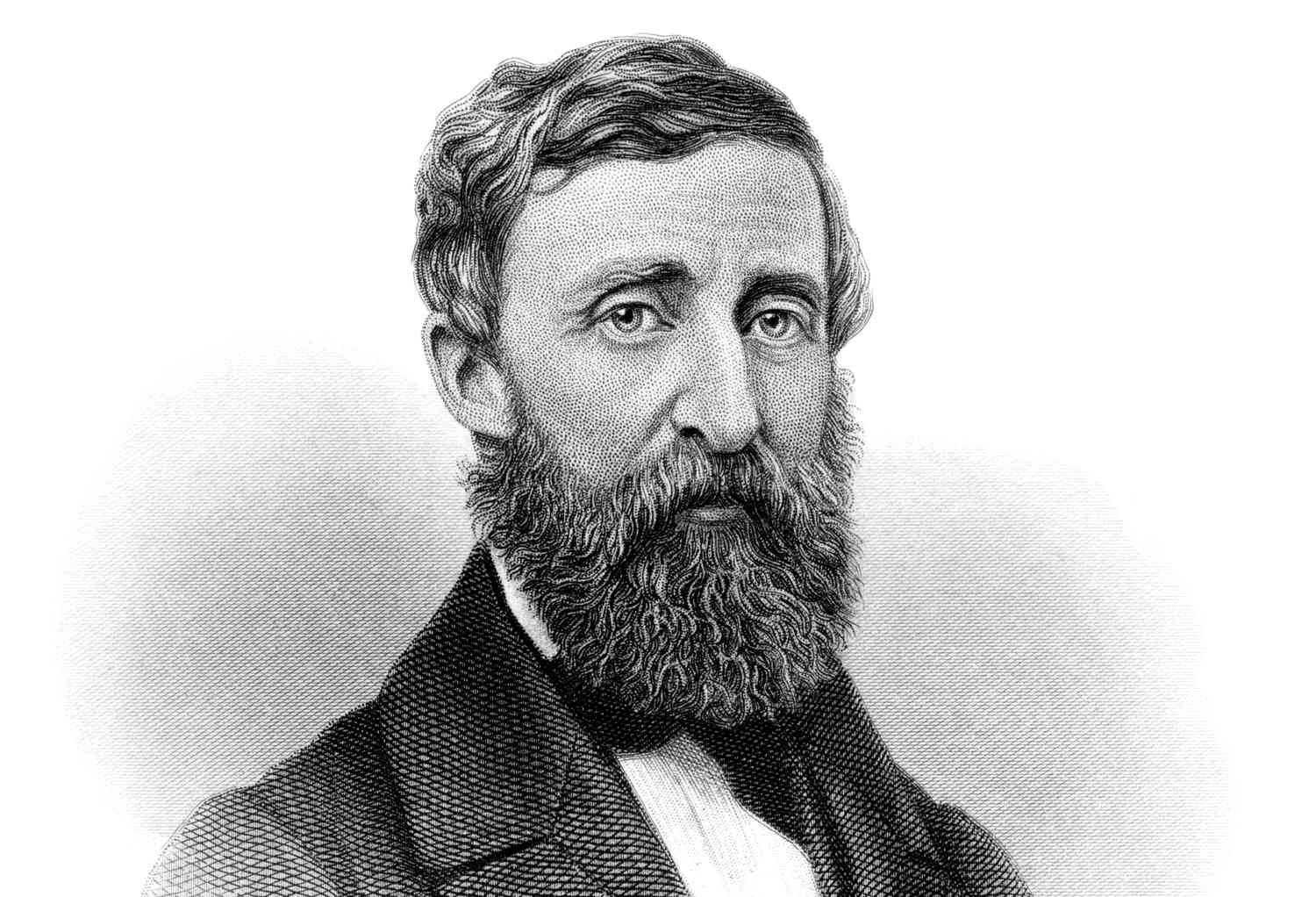
Long before social media turned solitude into content, thinkers like Henry David Thoreau from the 18th century reflected on intentional aloneness as a way to live deliberately, not disconnectedly.
Through his book, Walden, he showed that his emphasis was never on isolation, but on awareness, knowing yourself well enough to engage the world meaningfully.
When you return from solo travel, life does not become perfect. Responsibilities still exist, stress returns but something subtle shifts on your inside and perspectives change.
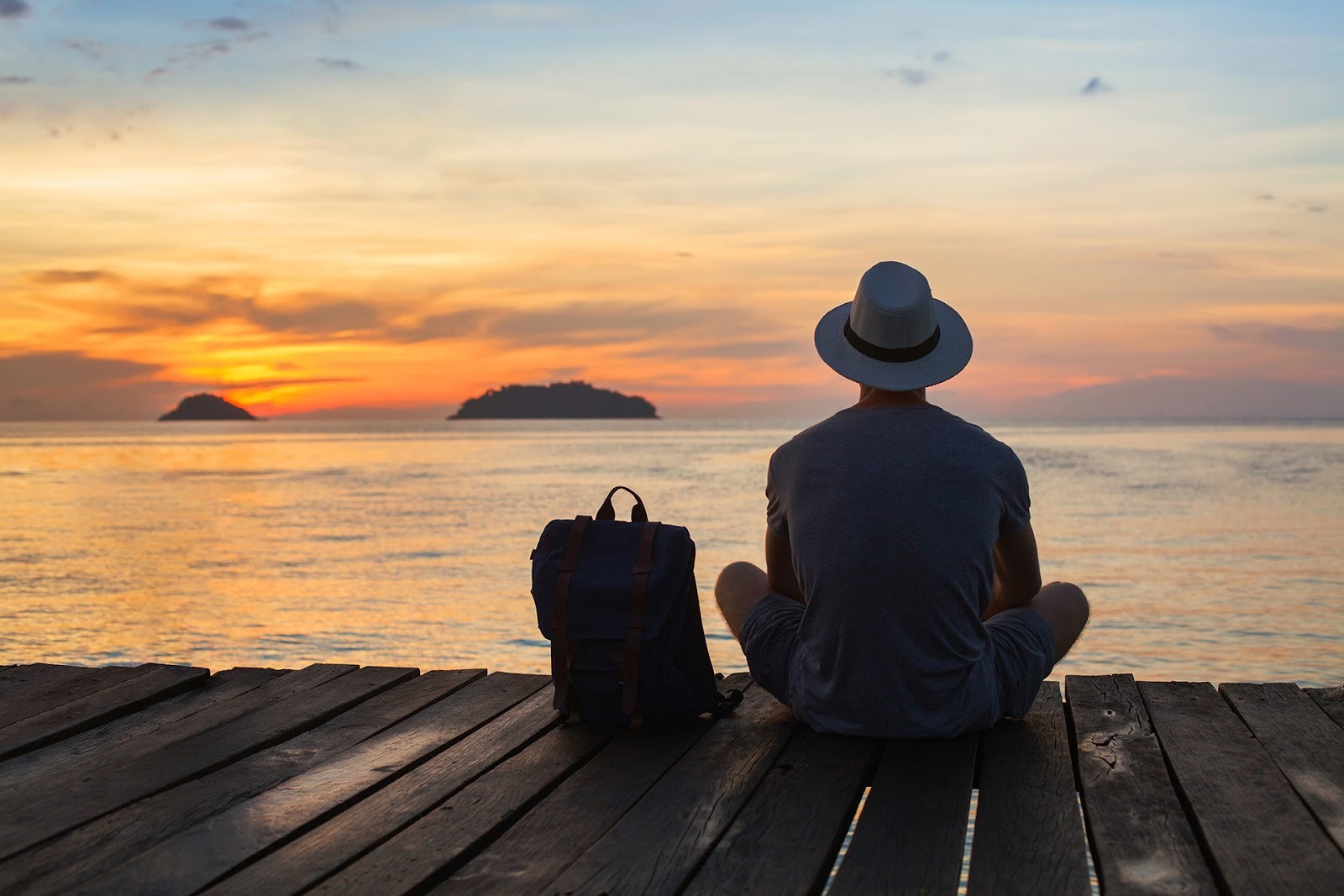
You trust yourself a little more. You understand your needs more clearly. You recognize when you are seeking connection versus distraction.
Solo travel is not a badge of independence. It is a practice of self-awareness and like any practice, it works best when balanced, solitude complemented by community and honest reflections paired with genuine connections.