Your Next Smartphone Might Cost More Than You Expect. AI Is Quietly Changing the Price
AI’s growing demand for semiconductor chips is driving smartphone prices higher globally, with Nigeria facing potential increases of up to 60% due to import costs and supply shortages.
The current AI’s chip rush could push smartphone prices out of reach for Nigerians.
There is a silent market shift that is happening in the background of the Ai industry which would eventually affect the devices we use every day.
This market shift and rush for Ai chips is not visible on screens or billboards. Yet, it may determine whether millions of Nigerians can afford their next smartphone.
For many users, phone prices have already started moving in an uncomfortable direction.
According to Peter Sokunbi of Neradon Integrated Services, the changes are no longer theoretical. They are already happening in real time and the effects might be felt by the average Nigerian.
“The eight-gigabyte RAM we used to buy at ₦15,000 or ₦20,000 is now ₦40,000,” he observed, explaining how costs have doubled within months.
But this is only the beginning and the market rush is getting more serious than you think.
Behind this shift is a global race driven by artificial intelligence, and smartphones are quietly losing that race.
AI Is Competing With Your Smartphone for the Same Chips

Artificial intelligence is not just software, it is an infrastructural foundation for most, if not all consumer based tech.
The AI boom has triggered an unprecedented demand for specialised data centres, and at the core of these facilities are memory chips.
These same chips power smartphones, laptops, and countless consumer devices.
Now, these devices are competing for the same limited semiconductor supply.
The difference is market profits, the semiconductor industry is pursuing profitability.
Companies building AI systems are willing to pay significantly more for chips than smartphone manufacturers.
AI accelerators can sell for tens of thousands of dollars per unit, making them far more lucrative than components used in consumer electronics.
This financial reality is influencing manufacturing priorities and who gets to have access to more Ai chips.
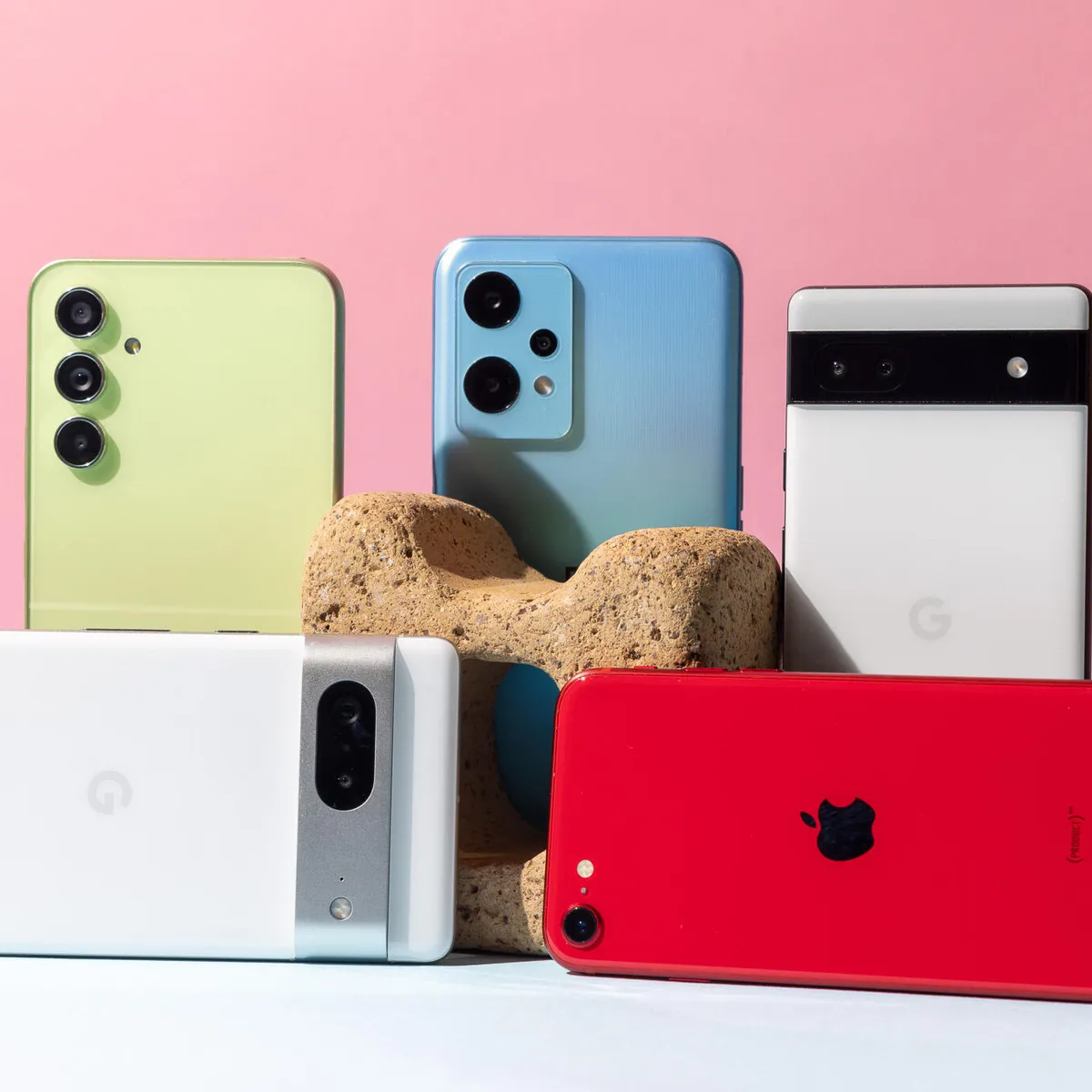

Major semiconductor producers like Samsung Electronics, SK Hynix, and Micron Technology are increasingly directing their supply toward AI infrastructure developers rather than smartphone manufacturers.
The reason is pretty straightforward, AI based consumer tech generates higher margins.
Technology giants like Microsoft, Google, and OpenAi were projected to spend over $320 billion on AI infrastructure in 2025 alone.
Meanwhile, NVIDIA, whose graphics processing units power many AI systems, has seen explosive growth, with its data centre revenue rising over 200% year-on-year in 2024.
When chipmakers must choose between supplying smartphones or AI infrastructure, the economic incentive is clear. AI based industry comes first.
Even as companies plan to expand manufacturing capacity, new chip fabrication plants can take at least two years to become operational. Experts predict the shortage could continue until 2027.
Until then, consumer devices will feel the pressure of this market shift.
Smartphone Prices Are Rising Globally, But Nigeria Faces a Much Harder Reality

Globally, analysts estimate that smartphone prices could increase by 15% to 20% due to the chip shortage. Manufacturing costs are already at their highest level in three years.
But Nigeria’s situation is more complicated. According to Sokunbi from Techpoint Africa, phone prices in Nigeria could increase by as much as 60%.
The reasons for this increment that is being expected extend beyond global supply constraints.
Importation costs introduce additional layers of expense. Beyond official shipping fees, importers often encounter extra payments that increase the overall cost of bringing devices into the country.
For example, shipping goods worth ₦100 million may cost between ₦5 million and ₦10 million. However, additional unofficial expenses can rise to ₦20 million, costs that are ultimately transferred to consumers.
This creates a multiplier effect. A global price increase becomes significantly larger locally and business based individuals must make profits.
History shows how quickly prices can escalate, between 2022 and 2023, smartphone prices in Nigeria rose by as much as 86%.
Devices like the Samsung Galaxy A52 increased from ₦166,000 to over ₦300,000 within a year.
This price surge had measurable consequences that were immediately felt.
According to the International Data Corporation, Nigeria’s smartphone market declined by 32.1% during that period, as fewer consumers could afford new devices.
Currently, most smartphones sold in Nigeria cost under $200. A 60% increase would push those same devices to around $320, placing them beyond the reach of many average earners.
Even repairs are becoming more expensive as components of devices are increasingly growing scarce.
The chip shortage is not just affecting new purchases. It is affecting the entire lifecycle of smartphones and how well the market is accessible.
Nigeria’s Smartphone Future May Depend on How Companies Respond
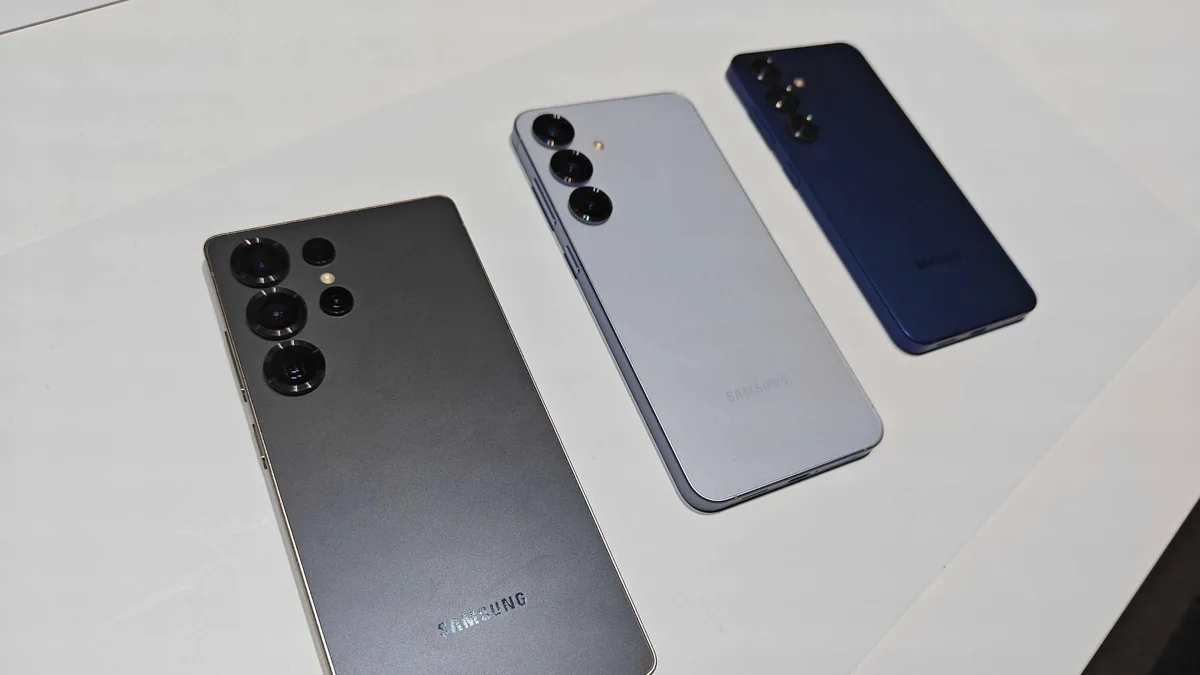
Smartphones are just longer luxury items that everyone owns. They are tools for communication, work, banking, education, and daily survival.
The entire world is increasingly growing dependent on the use of smartphones and that is not to be argued.
But their affordability is increasingly tied to forces beyond Nigeria’s control and Nigerians would feel the effect of this subtle shift that is not loud.
Global AI expansion is reshaping supply chains. Semiconductor production is shifting toward higher-value infrastructure and local economic realities amplify global price increases.
Brands popular across Africa, including Tecno, Infinix, and Itel, may soon face difficult decisions.
They must find ways to balance rising production costs with consumer affordability, while also ensuring that they are in profit.
For users, the advice is becoming increasingly one that must be adhered to.
There is no better way to say it, but you must protect your device and maintain it carefully. Because repairs and replacements will likely become more expensive too.
Because the next time you consider buying a smartphone, the price you see may not reflect just the device in your hand.
It may reflect a global technological race happening far beyond it.