Strive Masiyiwa: The Zimbabwean Who Became Britain's First Black Billionaire After a Five-Year Fight
A Zimbabwean engineer spent five years fighting his government for the right to build a phone network. Years later, his name appeared on Britain's billionaire list. What happened in between?
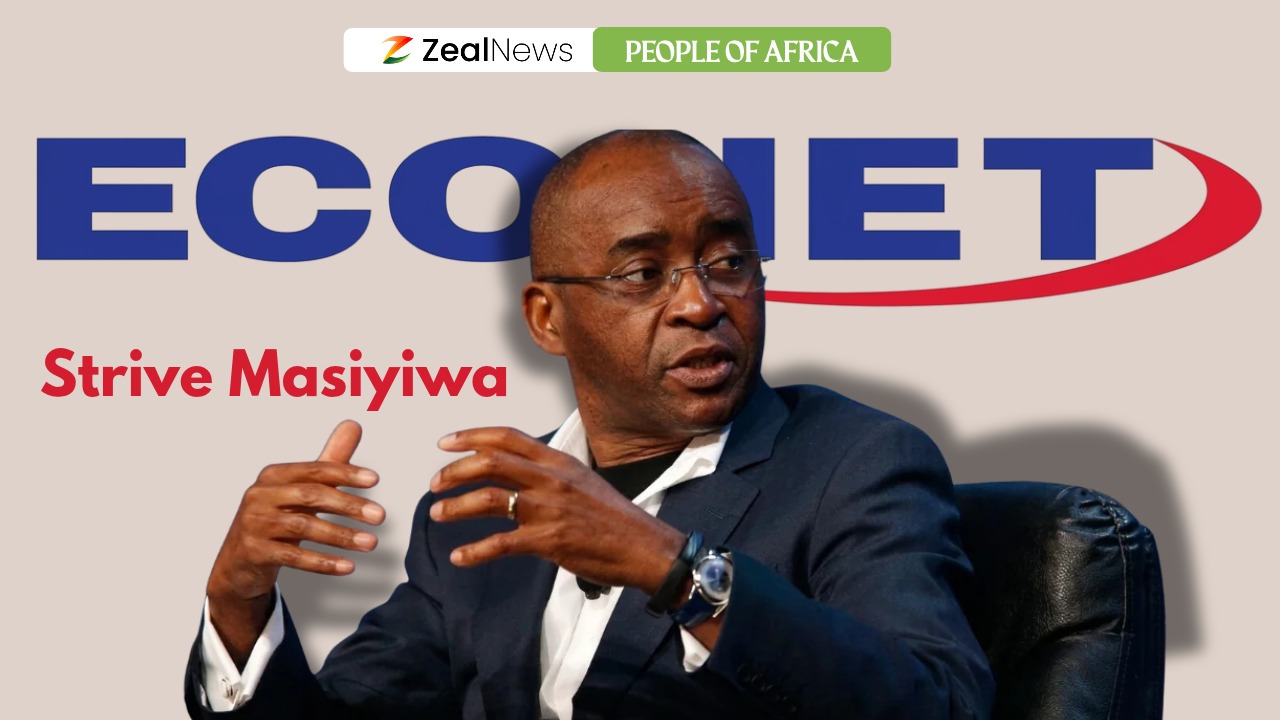
Before Strive Masiyiwa became the first Black billionaire to appear on the Sunday Times Rich List, he was a young engineer with an idea that Zimbabwe’s government did not want him to pursue.
For a founder trying to enter a closed market, getting heard was an achievement in itself.
He wanted to build a private mobile phone network. The country’s telecommunications industry was controlled by the state, and the authorities were not keen on welcoming competition.
Masiyiwa challenged that monopoly in court. The fight lasted five years, cost him dearly and nearly wrecked his business plans.
He kept going. In 1998, Econet Wireless Zimbabwe launched. More than two decades later, the Zimbabwean-born entrepreneur was being counted among Britain’s billionaires, with an estimated fortune of £1.087 billion in the 2021 Sunday Times Rich List.
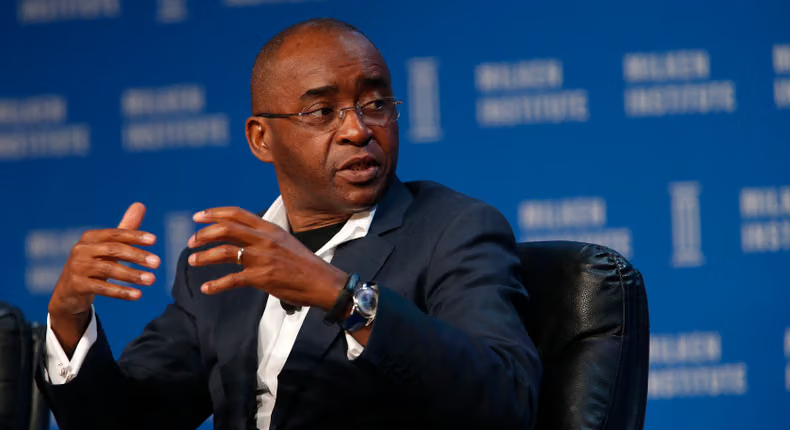
Who Was Strive Masiyiwa Before Econet?
Masiyiwa was born in Zimbabwe in 1961. His family left when he was seven, and he spent part of his childhood in Zambia before moving to the United Kingdom.
He studied electrical and electronic engineering at the University of Wales, graduating in 1984.
He returned to newly independent Zimbabwe that year and briefly worked as an engineer for the state-owned Posts and Telecommunications Corporation.
He saw a system struggling to meet demand: getting a telephone line could be difficult.
Masiyiwa saw room for a different kind of business. In 1986, he established Retrofit Engineering, an electrical contracting company.

By the early 1990s, he believed mobile phones could serve people poorly reached by fixed-line networks.
He tried to work with the state telephone company, but the proposal did not move forward. So he decided to build a private network himself. That decision placed him on a collision course with the government.
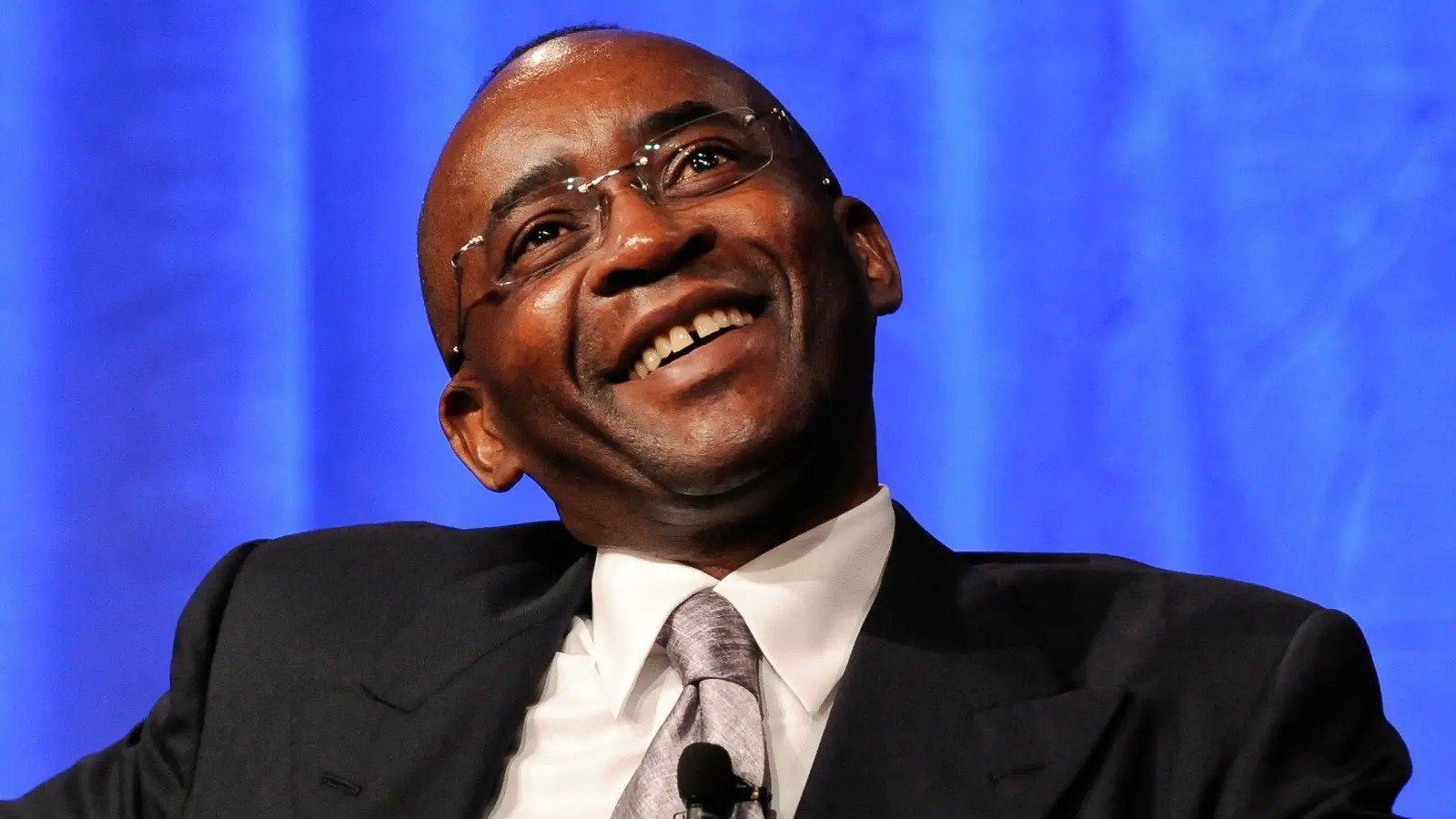
Why Did Building a Phone Network Become a Five-Year Court Fight?
In 1993, Masiyiwa sought permission to establish Econet as a private mobile operator. The state controlled the telecommunications monopoly, and officials resisted allowing a new company into the market.
The dispute became a constitutional battle. Masiyiwa argued that the monopoly violated the right to freedom of expression because communication depended on access to telephone services.
The case moved through the courts as political and regulatory obstacles threatened the project.
A mobile network required major investment, equipment and technical partners. Without a licence, Masiyiwa could not launch, and every delay put the company at risk.
Zimbabwe’s Supreme Court eventually ruled in his favour, clearing the way for private telecommunications competition. Econet Wireless Zimbabwe launched its mobile service in July 1998.
The ruling opened a state-dominated market to competition and became an important moment in African telecommunications liberalisation.
The irony: the business that later made him a billionaire almost never got the chance to operate.
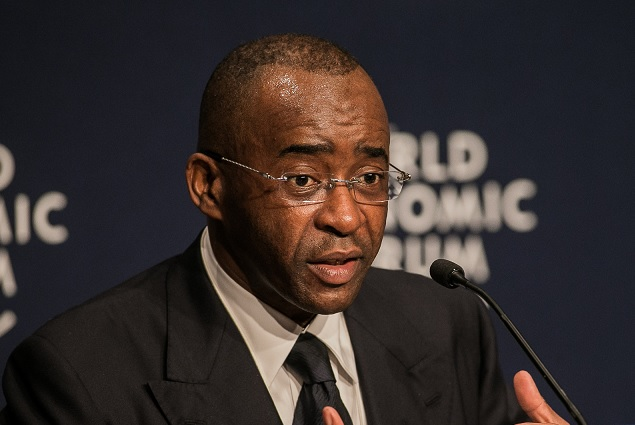
How Did Econet Grow Beyond Zimbabwe?
Econet’s launch was a beginning, not the finish line. Masiyiwa built and invested in telecommunications businesses in several markets, including Botswana and Nigeria.
Econet Wireless Nigeria later became part of the business that operates as Airtel Nigeria. His wider portfolio expanded into fibre networks, data centres, cloud services, fintech and other technology infrastructure.
The digital economy depends on more than apps. It also needs cables, data centres and networks that keep businesses connected.
Through Liquid Intelligent Technologies, Cassava Technologies and related investments, Masiyiwa became involved in building infrastructure that supports companies, governments and consumers across multiple African markets.
His official biography lists investments and businesses spanning more than 40 countries across four continents.
In May 2021, the Sunday Times Rich List estimated his wealth at £1.087 billion and described him as the first Black billionaire to appear on its ranking.
This was a milestone on that particular list, not proof that no Black person had ever been a billionaire while living in Britain. He was ranked 159th overall.
What Has He Built Beyond His Businesses?
Masiyiwa’s public life is not limited to boardrooms and company valuations. In 1996, he and his wife, Tsitsi, co-founded the organisation that became Higherlife Foundation. It supports education, healthcare, rural development and other social programmes.

The Gates Foundation says the organisation has supported the education of more than 250,000 children. Masiyiwa’s own 2023 biography puts the number of scholarships supported by his family foundations at more than 300,000.
During the COVID-19 pandemic, Masiyiwa was appointed an African Union special envoy to help coordinate private-sector efforts to secure medical supplies. He also chaired the Africa Vaccine Acquisition Task Team, which worked to improve access to vaccines for African countries.
He has served on the boards of Netflix and Unilever and joined the Gates Foundation’s board of trustees in 2022.
So, What Makes His Story Worth Knowing?
The billionaire label can flatten a complicated career into one number. Masiyiwa’s story is about infrastructure, regulation, risk and access. He saw the need for better communication and challenged a system restricting who could provide it.
This is not simply a motivational poster about persistence. Not every entrepreneur can afford a long court battle or withstand political pressure. Determination matters, but so do capital, legal support, partnerships and the conditions in which a business operates.
His experience raises a question across the continent: how many businesses that could solve real problems never get the chance because markets are closed, rules are unfair or entry costs are too high?
Masiyiwa’s rise did not begin with a billion-pound ambition. It began with a belief that Zimbabweans deserved better access to communication. He fought for the right to build the network, launched it in 1998, and grew his interests into a global technology portfolio.