Splitting Bills at Birthday Parties Should Be Outlawed
Birthday dinners are meant to celebrate love and friendship, so why do they end with calculators and awkward money transfers? This bold op-ed argues that splitting bills at birthday parties is ruining modern celebration culture and calls for a return to generosity over transaction.

Every time a birthday invitation pops up on my phone, I feel a familiar squeeze in my chest long before the party even begins, not because I do not want to celebrate the person, but because I know exactly how the end of the night will go.
We dance, we laugh, we blow out candles, and then someone asks for money. Not just a friendly offer to chip in. I mean the moment when the restaurant bill lands like a burden, when the cheerful spirit of celebration gets replaced by spreadsheet logic and division signs.
If you have ever watched the joy in someone’s eyes fade into a confused stare as the group starts punching numbers into a calculator app, then you know exactly what I am talking about.
Splitting bills at birthday parties is killing the joy of celebration, and it is time to seriously challenge this norm.

Celebrations are not algebra tests. They are emotional investments. They are moments we remember because of shared smiles, not because of how we divided the cost of the dessert.
We need to ask ourselves a fundamental question: why have we accepted a practice that strips the magic out of one of life’s most basic human rituals?
When Splitting Bills Undermines Genuine Celebration
Imagine you are at a birthday dinner with your closest friends and family. You all order different things. Someone orders expensive appetizers and a fancy cocktail, while someone else has water and a simple entrée.
Or you humbly order a plate of jollof rice while someone else confidently requests seafood pasta, adds gizdodo on the side, and tops it off with a bottle of champagne that costs more than your entire meal combined.
And when the bill finally arrives it is presented as a collective responsibility where everyone is expected to contribute the same amount, including you who intentionally kept your order simple out of consideration. In that moment, the celebration quietly transforms into a negotiation.
You are no longer just a guest who came to honor a friend; you are suddenly an unwilling sponsor of someone else’s appetite.
What makes the situation more unsettling is the silent expectation that you should comply without protest, because raising an objection risks being labeled stingy, dramatic, or unserious about friendship.
The social pressure to appear generous becomes stronger than the logic of fairness itself, and so you transfer the money even when it feels unreasonable.
The person who ordered extravagantly feels no consequence, the person who ordered modestly absorbs the imbalance, and the group moves on pretending that nothing awkward just occurred.
Conversations around money are already awkward and loaded with personal implications. Add a birthday party into the mix and you have a situation where feelings matter more than figures.
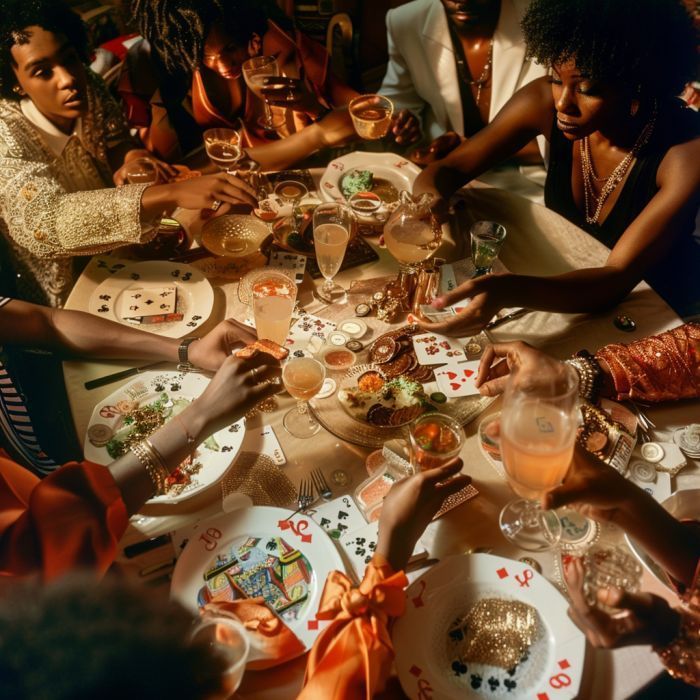
When the bill comes, people pay attention to how little they ate or drank and how much they drank, but they lose sight of why they came together in the first place.
The Emotional Cost of Modern Party Economics
A birthday party should never feel like signing a financial agreement. The moment everyone assumes the bill will be split evenly, the mood shifts without anyone saying it out loud.
People start adjusting themselves. Someone orders less than they actually want. Someone skips the cocktail they were looking forward to.
Another person quietly counts what others are eating and feels annoyed because they know they will be paying for part of it. The bill begins to control behavior long before it arrives.
And then there is the quiet pressure. Not everyone at the table is earning the same money or living the same life. Some people are stretching just to show up and celebrate their friend.

When equal payment is forced, it can make someone feel small or exposed. Should a close friend feel embarrassed because they cannot afford someone else’s champagne? Should they stay home next time because the cost of attendance feels unpredictable?
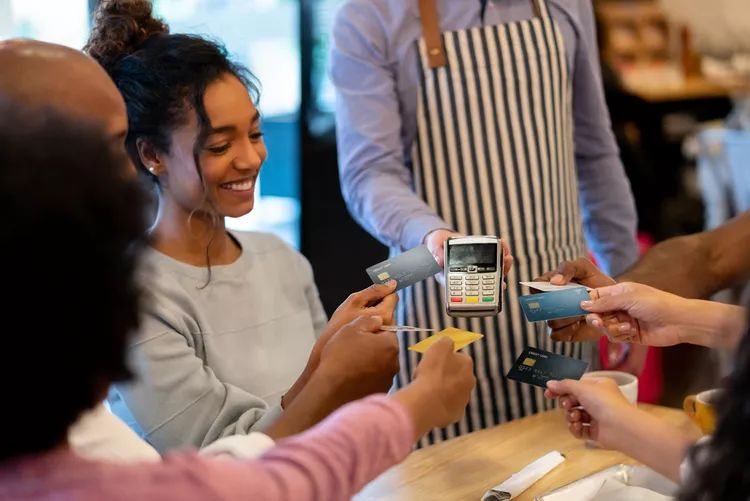
Money fairness is not the same as emotional fairness. True fairness at a celebration means everyone feels relaxed, welcome, and unashamed. If one person leaves anxious about what they spent, then something went wrong.
We live in a time where everything is instant and transactional. Tap, transfer, split, done. But in the process, we are losing something softer and more human.
We have started treating generosity like a math problem. We have convinced ourselves that equal numbers mean equal respect.
But that is not how relationships work. Real fairness considers context. It considers closeness. It considers intention. And above all, it protects the spirit of the moment. A birthday should feel warm, not calculated..
The Simple Rule: Pay for What You Order and Let Joy Stay Intact
The solution to this argument is actually very simple.
If we are going out for a birthday dinner, everybody should just pay for what they ordered. That is it. No drama. No complex formulas. No forced equality. If you ordered jollof rice and water, you pay for jollof rice and water.
If someone else ordered seafood pasta, gizdodo, and champagne, they pay for seafood pasta, gizdodo, and champagne. Adults should be responsible for their own appetite.
If there are shared things like a bottle for the table or appetizers everyone touched, then the people who actually shared it can split that portion only. Not the entire bill. Just the shared part. That feels fair because it reflects reality.
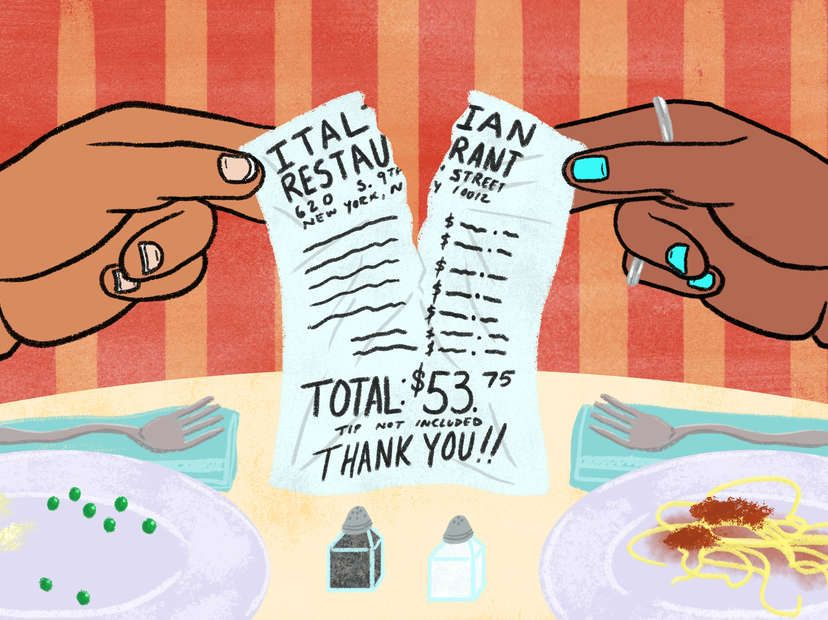
Another important thing is this: the person planning the birthday dinner should be clear from the beginning. If everyone is paying for themselves, say it in the invitation. If it is a fully hosted dinner, say that too. Confusion is what creates awkwardness. Clarity removes it.
And honestly, we need to stop shaming people for saying, “I will pay for mine.” That is not stinginess. That is financial awareness. Not everybody at the table earns the same salary. Not everybody is in the same season of life. A celebration should not quietly punish the most cautious person in the room.
At the end of the day, nobody should leave a birthday dinner feeling cheated, pressured, or resentful. Joy should be the most expensive thing at the table, not the bill.