South Africa's Shame: Xenophobic Fury Ignites Political Firestorm as Activists Demand Action
Ghanaian diplomats are raising alarm over recurring xenophobic attacks in South Africa, with former High Commissioner Charles Owiredu advocating for a new, coordinated regional response and addressing deep socio-economic roots. Meanwhile, current High Commissioner Benjamin Kofi Quashie advises Ghanaians to remain highly vigilant amid ongoing safety concerns.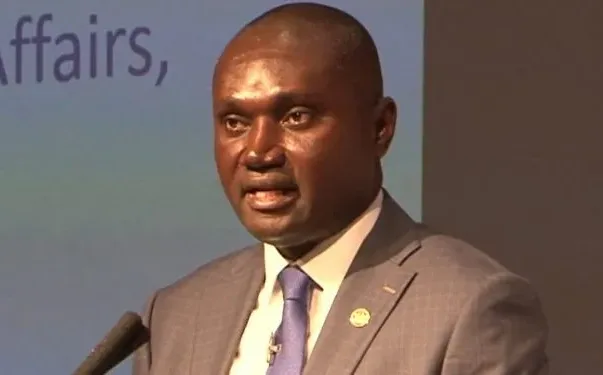
South Africa is grappling with a persistent issue of recurring xenophobic attacks targeting foreign nationals, a situation that has prompted strong reactions and calls for renewed strategies from Ghanaian diplomats. Both former and current Ghana High Commissioners to South Africa have weighed in on the crisis, offering distinct perspectives on its causes and potential solutions.
Charles Owiredu, a former Ghana High Commissioner to South Africa and Deputy Foreign Minister, has emphatically cautioned against repeating past approaches, which he argues have yielded limited long-term impact. He noted that interventions such as high-level meetings with South African authorities and consistent condemnations from key figures have failed to prevent the violence from recurring, often on an annual basis. Mr. Owiredu, drawing from his policy and diplomatic experience, stressed that replicating ineffective earlier strategies would not address the current volatile situation. Instead, he proposed a broader, more coordinated response involving representatives from the Economic Community of West African States (ECOWAS) and the African Union (AU). He highlighted that the issue is not peculiar to Ghana alone, but affects all foreign nationals, making a collective regional approach crucial for a sustainable solution.
Delving deeper into the root causes, Mr. Owiredu attributed the recurring xenophobic attacks to entrenched socio-economic challenges within South Africa. He pointed to issues like widespread unemployment, poverty, and severe inequality as primary drivers of resentment among some South Africans. This perception, he explained, often leads them to view foreign nationals as competitors for scarce opportunities, which, in turn, translates into violent actions perpetrated by groups such as "Operation Dudula" and other vigilante movements engaging in mob justice. He also criticized the response of South African leaders, deeming measures taken so far as insufficient to tackle these underlying causes. Specifically, he described a recent statement from South Africa's Ministry of Police condemning the attacks as "inadequate," underscoring that similar statements in the past have not led to effective solutions.
Concurrently, Ghana’s current High Commissioner to South Africa, Benjamin Kofi Quashie, has urged Ghanaians living in the country to maintain a high state of alertness amid the recent wave of xenophobic attacks. Mr. Quashie confirmed that the Ghanaian mission has engaged in a series of high-level meetings with South African authorities to address growing tensions and ensure the safety of affected communities. While the immediate situation may be calm, he disclosed that South African authorities themselves have warned of potential escalation in certain areas, necessitating continued vigilance among Ghanaian residents. The High Commissioner assured that the Ghanaian mission is closely monitoring developments, engaging relevant stakeholders, and providing consular services to protect the interests and welfare of its citizens, especially given the history of recurring outbreaks of xenophobic violence targeting migrants from across the African continent.