SHE100: Trailblazers of Enterprise — The Story of Kate Kanyi‑Tometi Fotso
Kate Kanyi‑Tometi Fotso built Telcar Cocoa into Cameroon’s largest cocoa export company, boosting smallholder incomes and securing global partnerships in agricultural trade.
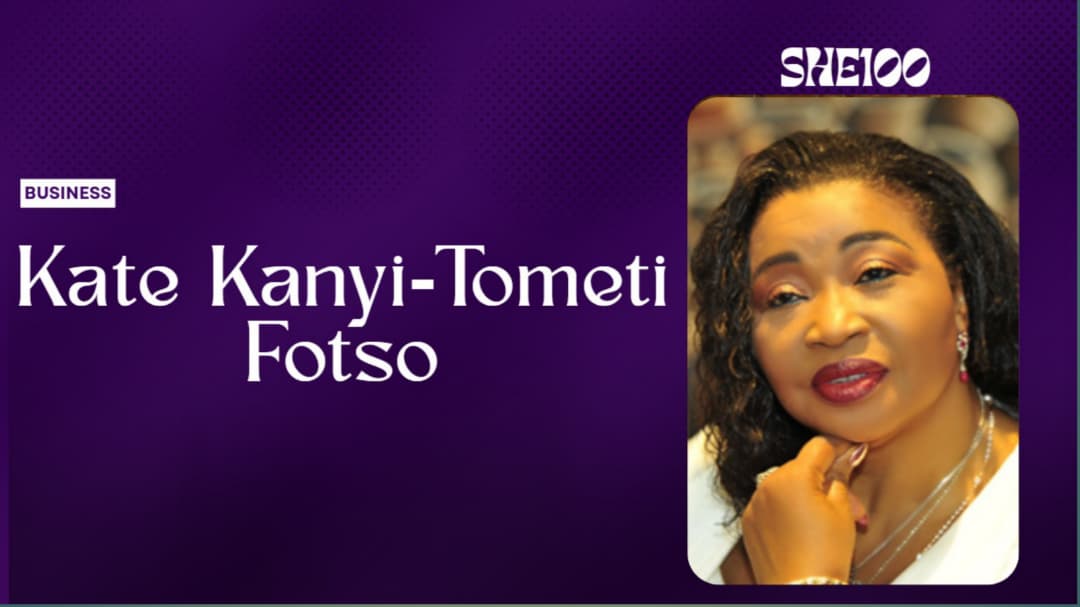
Today’s deep dive continues our special series celebrating women in business.
Through this series, we shine a spotlight on successful African women entrepreneurs who operate across different countries and industries, yet share one thing in common: inspiring journeys shaped by resilience, strategic action, and the courage to overcome barriers.
In this edition, we focus on Kate Kanyi‑Tometi Fotso, a Cameroonian entrepreneur whose leadership transformed agricultural trade in Central Africa and positioned her company as a major force in the global cocoa market.
Kate Kanyi‑Tometi Fotso built Telcar Cocoa — the largest cocoa export business in Cameroon.
Early Life and Background
Kate Kanyi‑Tometi Fotso was born and raised in Cameroon.
Though she keeps her early personal life private, her rise in commercial agriculture reflects a deep understanding of both the local cocoa economy and global demand dynamics.
The Birth of Telcar Cocoa
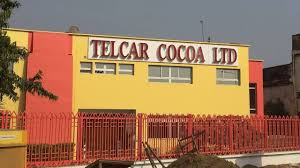
In the early 1990s, Fotso identified a clear gap: Cameroon produced large quantities of high‑quality cocoa beans, but local players had limited control over export logistics, pricing, and international relationships.
Instead of letting this value be captured mainly by foreign intermediaries, she took a bold step.
She established Telcar Cocoa, focusing on bulk purchasing of cocoa from farmers, coordinating processing, and exporting directly to international buyers — especially in Europe and the Americas.
Within just a few years, Telcar Cocoa had secured key contracts with global buyers, enabling Cameroon‑grown cocoa beans to be sold at more competitive prices and reducing reliance on middlemen.
Strategic Partnerships and Market Growth
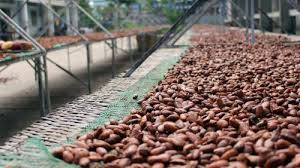
A pivotal moment in Telcar’s growth came with its partnership with Cargill, one of the world’s largest agribusiness firms.
Through this collaboration, Telcar became a trusted supplier of WACOT‑grade cocoa beans (World Alliance Certified) — a standard required by major chocolate manufacturers.
This partnership had three distinct effects:
Volume scaling: Telcar increased its export volumes year after year, often moving tens of thousands of tonnes of cocoa beans annually.
Price stability: By accessing long‑term contracts, farmers connected to Telcar received more predictable pricing than in spot markets.
Market credibility: The association with Cargill opened doors to major commodity exchanges and European buyers.
Impact on Farmers and the Economy
Unlike many commodity traders who focus solely on export logistics, Fotso’s Telcar invested in capacity building for smallholder farmers.

Through programs aligned with theCargill Cocoa Promise, Telcar helped:
Train farmers in sustainable farming practices
Improve bean quality and yield per hectare
Increase farmer incomes through access to premium markets
These efforts meant farmers received better returns on their cocoa, and Cameroon’s overall contribution to the global cocoa supply chain increased measurably.
Telcar is consistently listed amongCameroon’s top cocoa exporters, a testament to the company’s scale and reliability.
What Makes Kate Kanyi‑Tometi Fotso Stand Out
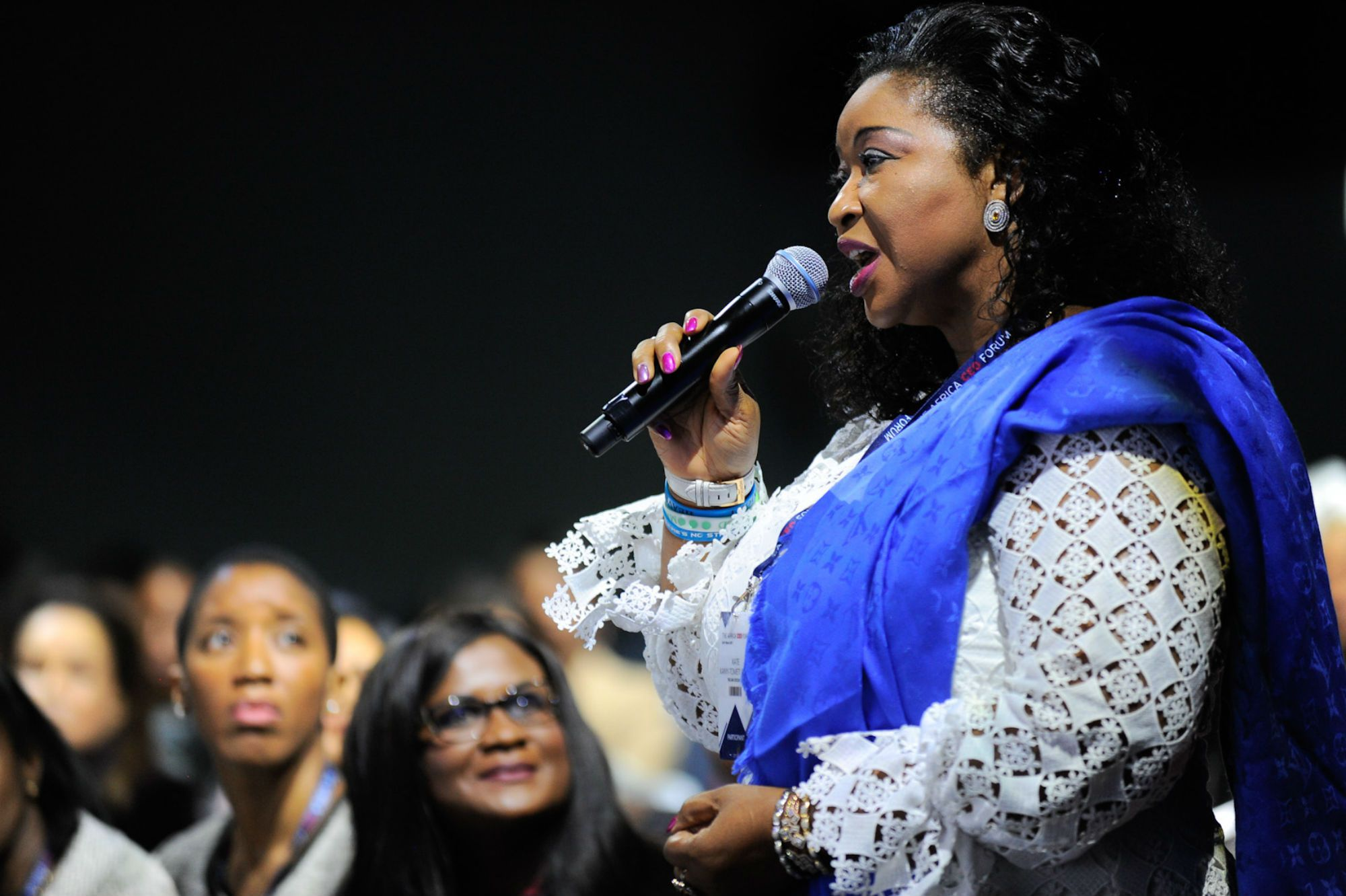
Turning a local product into an export powerhouse
She turned Cameroon’s cocoa supply into a globally traded commodity with her company exporting significant volumes annually.Strategic alliances with global agribusiness leaders
Her partnership with Cargill elevated Telcar’s credibility, allowing it to meet international quality standards and access major commodity buyers.Empowering smallholder farmers with market access
By integrating local producers into structured export channels, she improved farmer productivity and incomes.Recognition at continental level
As one of the wealthiest and most respected business figures in Francophone Africa, she represents African enterprise on the global stage.
Legacy and Inspiration
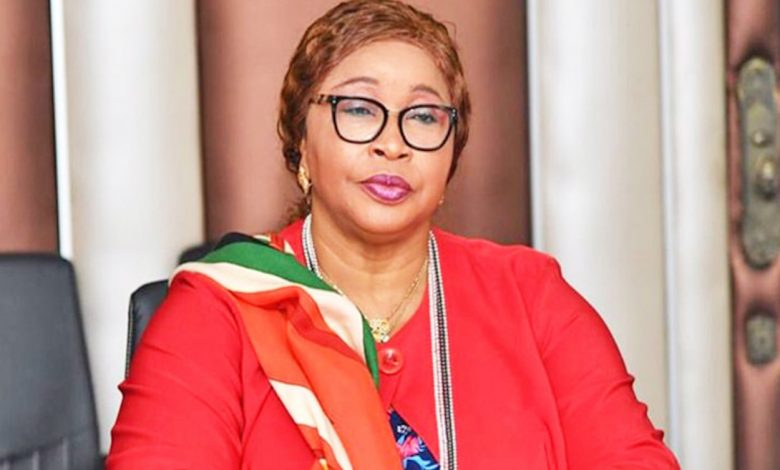
Today, Kate Kanyi‑Tometi Fotso remains a defining voice in African agribusiness.
Her success with Telcar Cocoa demonstrates that African entrepreneurs can build globally competitive export businesses rooted in local agriculture.
As this series continues to celebrate women in business, Kate Kanyi‑Tometi Fotso story serves as a model for aspiring business leaders across the continent, especially those seeking to unlock value within local supply chains rather than relying on external intermediaries.
Missed our previous feature? Read the full story of Divine Ndhlukula here: SHE100: Trailblazers of Enterprise — The Story of Divine Ndhlukula