4 Mental Health Conditions African Families Call "Spiritual Problems"
Four conditions with medical names and medical solutions being treated as spiritual problems in African homes. This is what each one actually looks like and why you should stay educated.
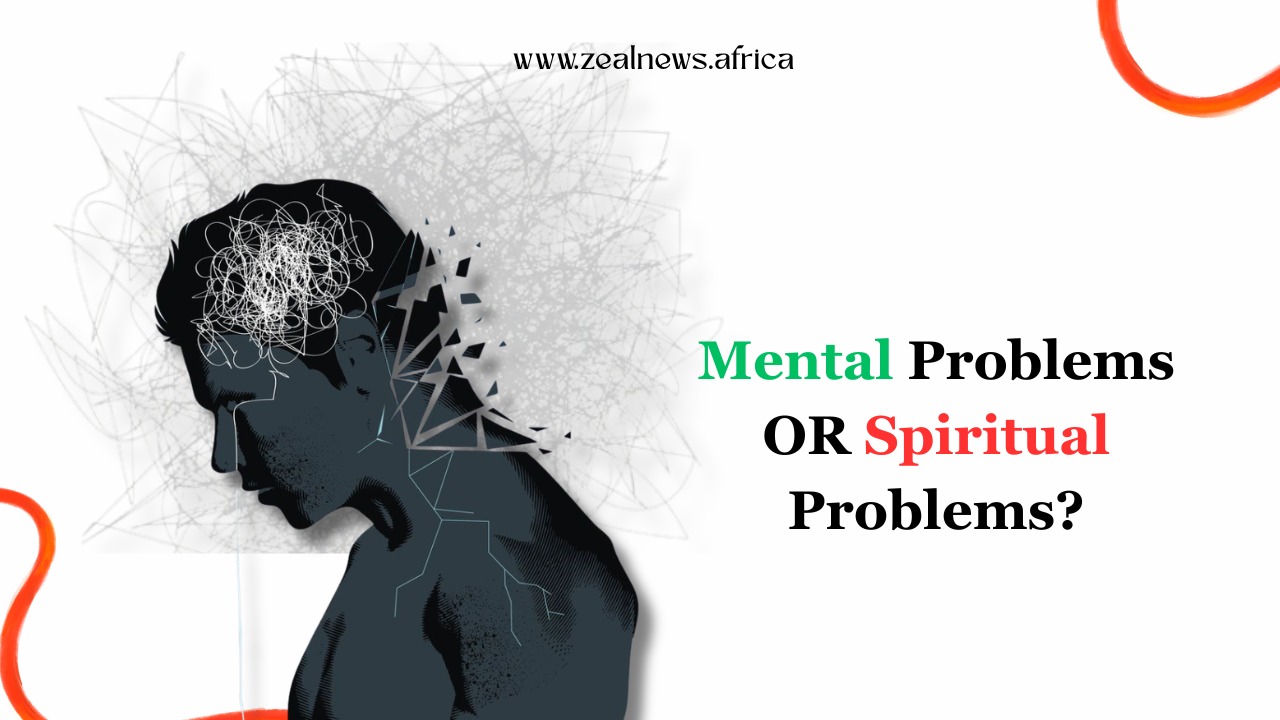
Someone in your family has been sick for years. Not physically sick. The kind of sick that makes them withdraw from everyone, cry without explanation, hear things nobody else hears, or fly into rages that feel completely out of character.
And instead of a hospital, they ended up in a church. Or a prayer house. Or sitting in front of a traditional healer being told that someone in the village is responsible.
This is not a story about religion being wrong. This is a story about what happens when mental illness goes unrecognised, unnamed, and untreated for years, and the price paid by the people inside it.
The most common causes of mental health disorders as perceived by Nigerians were supernatural: possession of evil spirits, sorcery, witchcraft, and divine punishment.
A significant proportion of individuals with mental disorders in Nigeria initially seek alternative sources of care, such as spiritualists or herbalists, before ever reaching formal mental health services.
These are five of the conditions most commonly misidentified.
1. Schizophrenia
Schizophrenia is one of the most misunderstood mental health conditions in the world. In African households, it is one of the most spiritually misdiagnosed.
The symptoms are dramatic and terrifying for families who do not have a framework for understanding them.
They include: Hallucinations, Delusions, Disorganised thinking, and Withdrawal from people.
What is actually happening is a brain disorder that responds to antipsychotic medication and structured psychiatric care. What the person receives instead, in too many cases, is years of spiritual intervention that manages the family's anxiety without treating the illness.
By the time they reach a psychiatrist, the condition has progressed significantly further than it needed to.
2. Depression
Depression in African families does not get called depression. It gets called laziness, ingratitude, and weakness. And when it is severe enough that the family cannot dismiss it, it gets called a spiritual attack.
The person stops eating, stops leaving their room, stops caring about things they used to love, and cries constantly or feels nothing at all. In its most severe form, begins to express that they do not want to be alive.
Community stakeholders attribute mental illness to spiritual attack, ancestral curse, anger of the gods, and personal affliction. But the answer is neurochemistry.
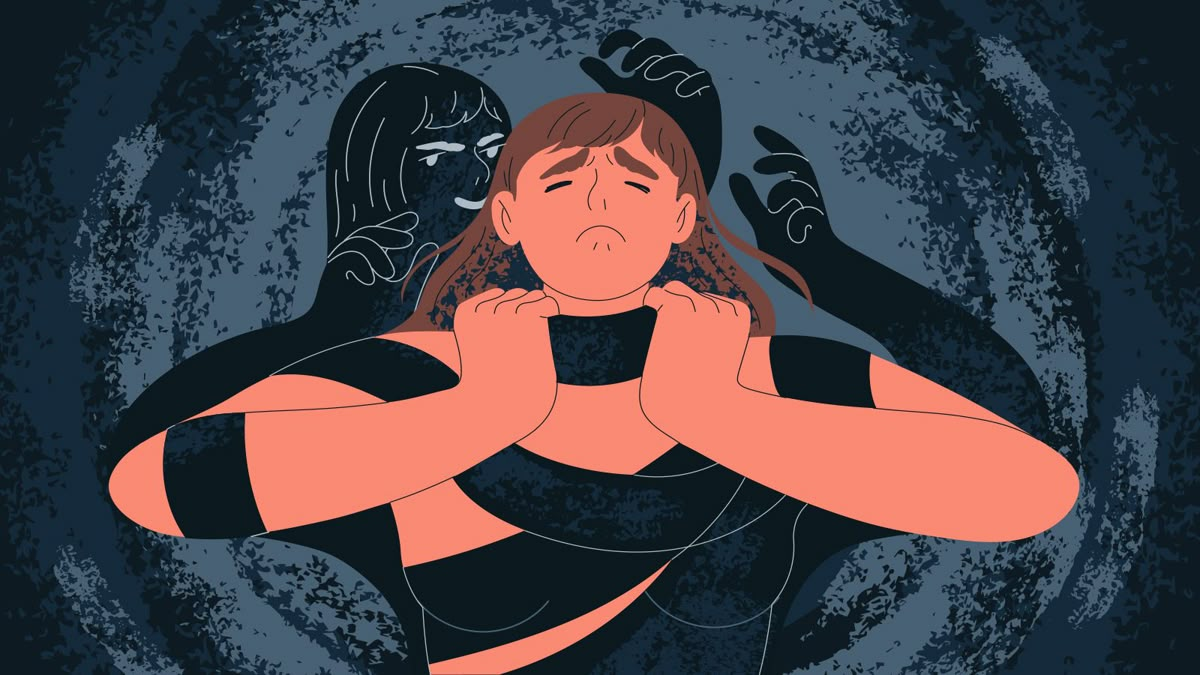
The brain's regulation of serotonin, dopamine, and norepinephrine. A medical condition that responds to therapy, medication, and structured support. Not a moral failing, a faith deficit, neither is it a curse that needs to be broken.
But in a culture that has not normalised mental health conversation, a depressed person is far more likely to be taken to a pastor than a psychologist. And the longer depression goes untreated, the harder it becomes to treat.
3. Bipolar Disorder
Bipolar disorder involves cycles of extreme mood states. During a manic episode, a person may feel euphoric, sleep very little, make grandiose plans, spend money recklessly, and have boundless energy and confidence.
During a depressive episode, that same person cannot get out of bed.
What is actually happening is a manageable psychiatric condition that requires mood-stabilising medication and consistent clinical support. Left untreated, the cycles intensify.

The manic episodes become more dangerous. The depressive crashes become deeper. And the family keeps praying for a spiritual resolution to a medical problem.
4. Epilepsy
Epilepsy is not strictly a mental health condition; it is a neurological disorder. But it belongs on this list because in African communities, it is one of the conditions most consistently and dangerously attributed to spiritual causes.
A seizure, particularly a tonic-clonic seizure where the body convulses, the eyes roll back, and the person loses consciousness, is one of the most frightening things a family can witness.
Without medical context, it looks exactly like what spiritual frameworks call manifestation or possession.
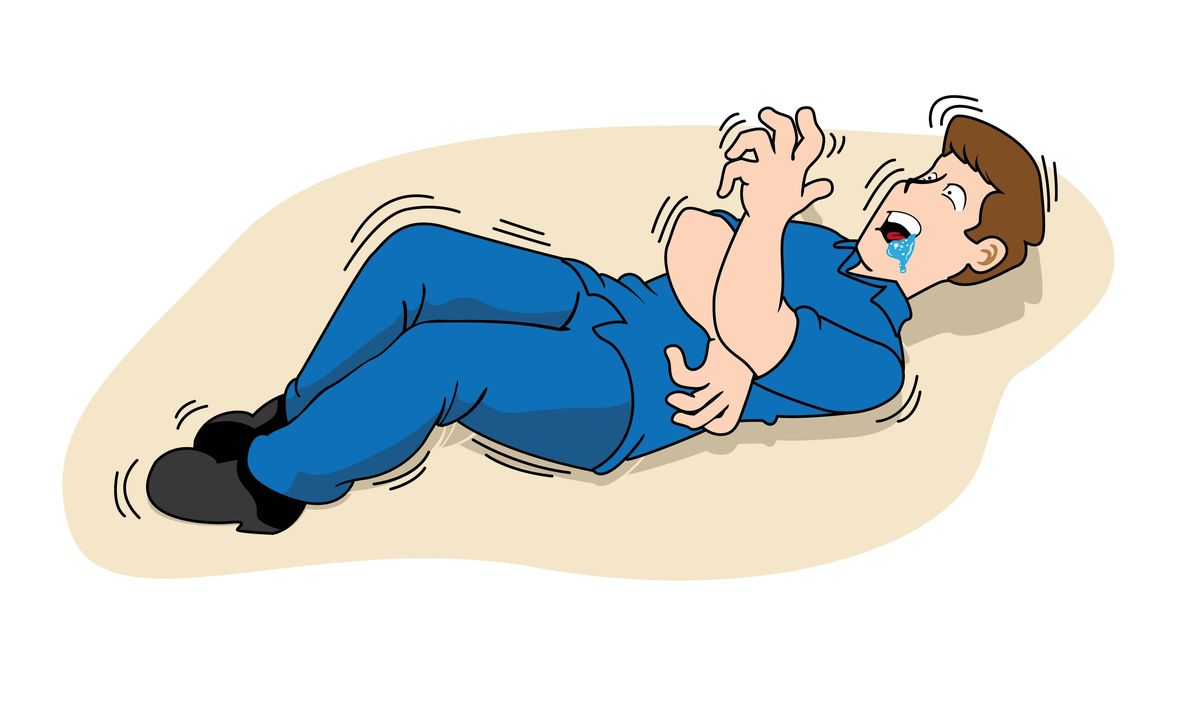
Epilepsy is caused by abnormal electrical activity in the brain. It is treatable with anticonvulsant medication. Many people with epilepsy live completely normal lives with proper management.
But in communities where seizures are treated as spiritual events, children and adults with epilepsy are taken to prayer houses, given spiritual remedies, kept from school and social life out of shame, and denied the medication that would simply stop the episodes from happening.
What Is Actually Going On
This is not an argument against faith. Millions of Africans hold deep religious convictions that are central to how they navigate life, and that is not the problem.
The problem is the complete absence of mental health education in African homes, schools, and communities.
The factors driving families toward spiritual treatment include lack of access to care, out-of-pocket healthcare payments, poverty, poorly planned services, shortage of healthcare personnel, and stigma associated with mental illness.
When the nearest psychiatrist is hours away, the consultation costs money the family does not have, and the cultural language for what is happening does not include clinical diagnosis; the prayer house is not an irrational choice. It is the only choice that makes sense within the available framework.
The framework is the problem. And changing it starts with conversations like this one.
If someone in your family has been through deliverance sessions, spiritual counselling, and extended prayer for what looks like a behavioural or emotional problem, and nothing has changed; please consider that what they are carrying might have a medical name. And a medical solution.
Getting help is not a betrayal of faith. It is taking care of the brain God gave you.