6 Things Nigerians Normalise That Are Actually a Crisis
Sitting in traffic for four hours, buying your own electricity, dying in hospitals that cannot treat you, here are six things Nigerians have accepted as life that are actually a full national emergency.
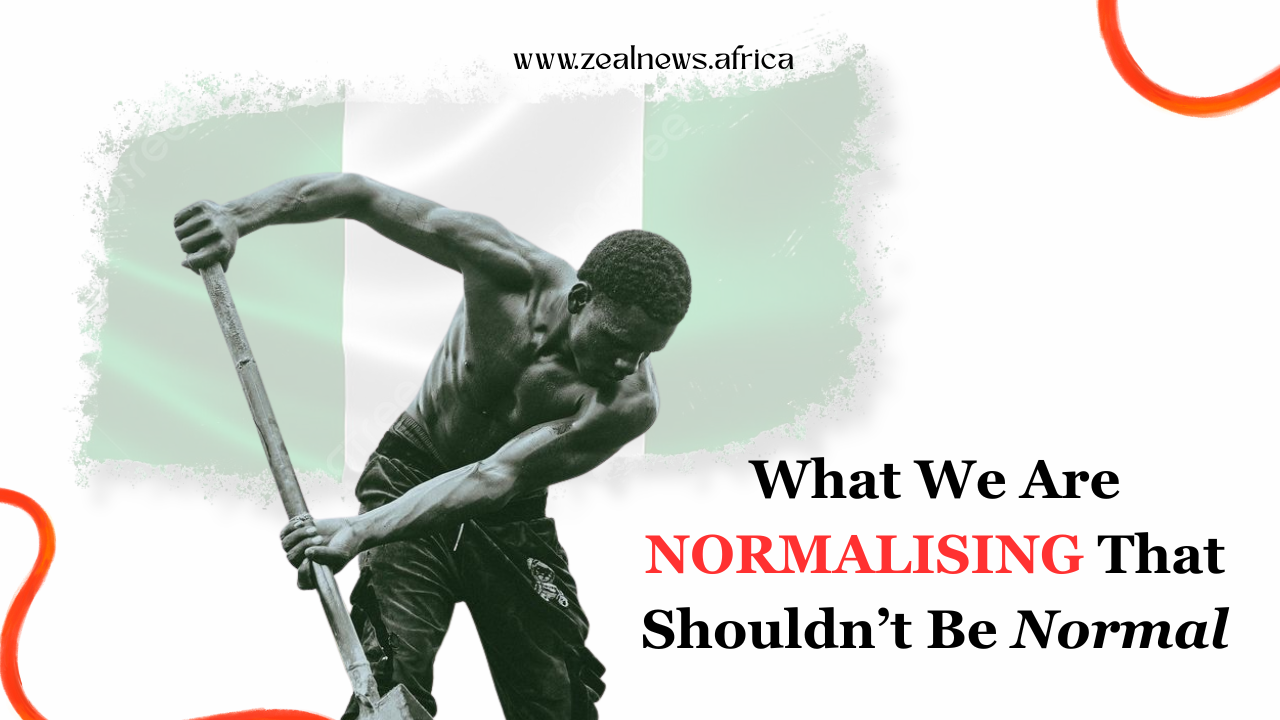
There is a particular kind of suffering that stops feeling like suffering once enough people share it. It just becomes life. It becomes the way things are. It becomes something you joke about at parties instead of something you organise against.
Nigeria has perfected this. The country has normalised so many crises that pointing them out now sounds dramatic. But dramatic is not the same as wrong. Here are seven things Nigerians have accepted as normal that are, by any objective measure, a full emergency.
1. Buying Your Own Electricity in a Country That Exports Oil and Gas
Nigeria is the largest oil producer in Africa. It sits on some of the world's largest natural gas reserves. And as of 2022, around 61% of the population had access to electricity, leaving about 40% of Nigerians in complete darkness.
The ones who do have access are not exactly living in comfort. Power supply is so unreliable that generators are not a backup plan in Nigeria. They are the plan.
Nigerians have spent decades and billions of naira building a parallel electricity system in their own homes and businesses because the official one does not work.
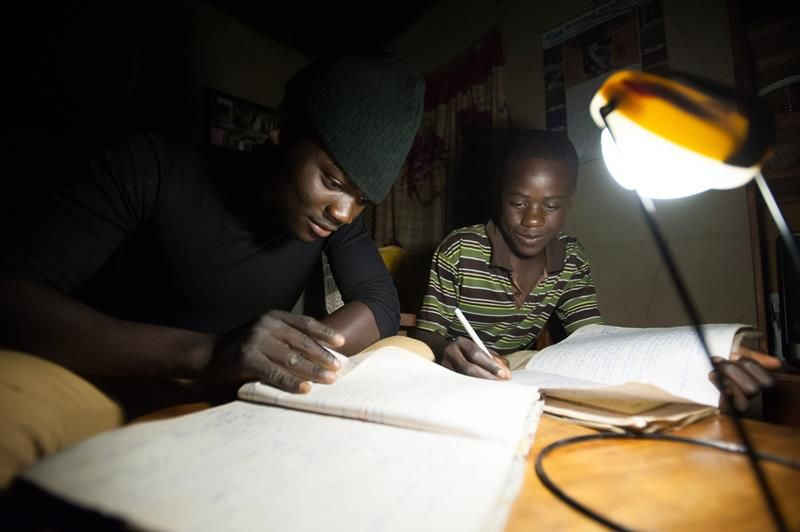
Indoor air pollution from cooking fuels and generators causes over 98,000 premature deaths in Nigeria annually. Nearly 100,000 people dying every year from a problem that would not exist if the government had simply provided electricity.
A country that exports energy and cannot power its own homes is not experiencing an inconvenience. That is a governance crisis. Nigerians have just been living inside it long enough to call it NEPA.
2. 140 Million People Living in Poverty While the Country Negotiates Its Next Loan
Poverty in Nigeria rose to 63% in 2025, with an estimated 140 million Nigerians living below the poverty line. That increase happened even as inflation began to slow down, which tells you that the economic improvements being celebrated in government press releases are not reaching the people who need them.
Nigeria is home to over 106 million people surviving on less than $2.15 a day, accounting for nearly 15% of the world's extremely poor.
Fifteen percent of the world's extreme poor live in one country. A country that is simultaneously one of Africa's largest economies. A country that has oil, gas, arable land, a young population, and enough natural resources to be genuinely wealthy.
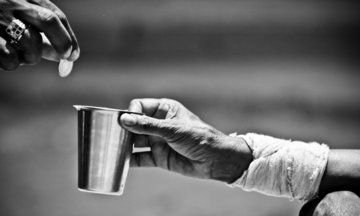
Poverty at this scale is not bad luck. It is a direct result of deliberate policy choices and persistent governance failures and a weak accountability system that has promoted corruption across all levels of government.
Nigerians have normalised poverty so thoroughly that being poor is treated as a personal failure rather than a policy outcome. That is the most dangerous normalisation on this list.
3. Dying in Hospitals That Are Not Equipped to Save You
Nigerian hospitals are full of doctors and nurses who are doing genuinely heroic work with almost nothing. That is not an exaggeration.
Basic equipment is missing, drugs are unavailable or unaffordable, power goes out during procedures, and in some hospitals, patients are asked to buy their own gloves, syringes, and IV fluids before treatment begins.
Social Insight
Navigate the Rhythms of African Communities
Bold Conversations. Real Impact. True Narratives.
Approximately 97.8% of Nigerian households are uninsured. Nearly 98%. Which means almost every Nigerian who gets sick faces the full cost of medical care out of pocket, at the same moment they are least able to work and earn.
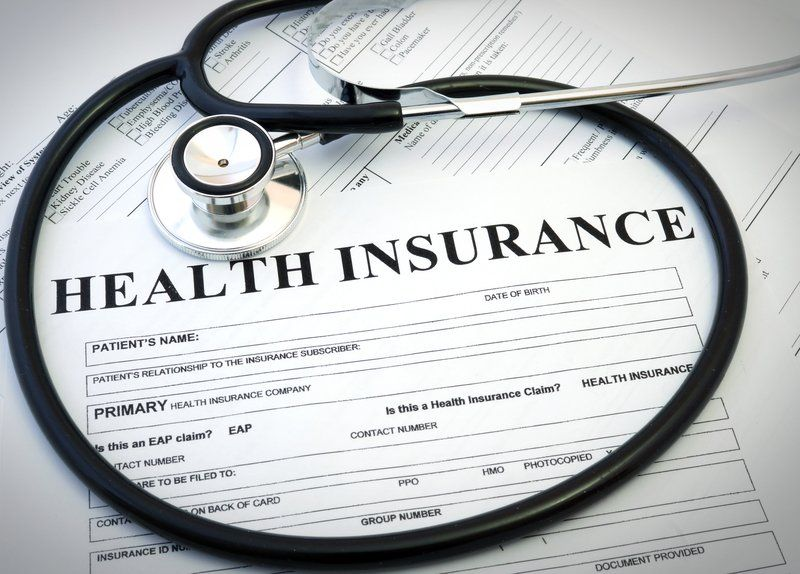
Health shocks significantly increase the probability of household vulnerability to poverty. Getting sick in Nigeria does not just threaten your health. It threatens your financial survival. One serious illness can move an entire family from stability into poverty in a matter of weeks.
This is not a healthcare system. It is a system of managed abandonment that Nigerians have learned to navigate by going abroad for serious conditions, using private clinics they cannot always afford, or simply hoping they stay healthy.
4. Sitting in Traffic for Four Hours to Travel Twenty Kilometres
Lagos has some of the worst traffic congestion in the world. This is not a lifestyle complaint. It is an economic and public health emergency.
Hours spent in traffic every day are hours not spent working, resting, parenting, or doing anything productive. The fuel burned by millions of vehicles sitting in gridlock contributes to air pollution that kills people.

The stress of daily commutes at that scale has measurable effects on mental and physical health. Workers are arriving at jobs already exhausted before the day begins.
The infrastructure has not kept pace with one of the fastest-growing cities in the world.
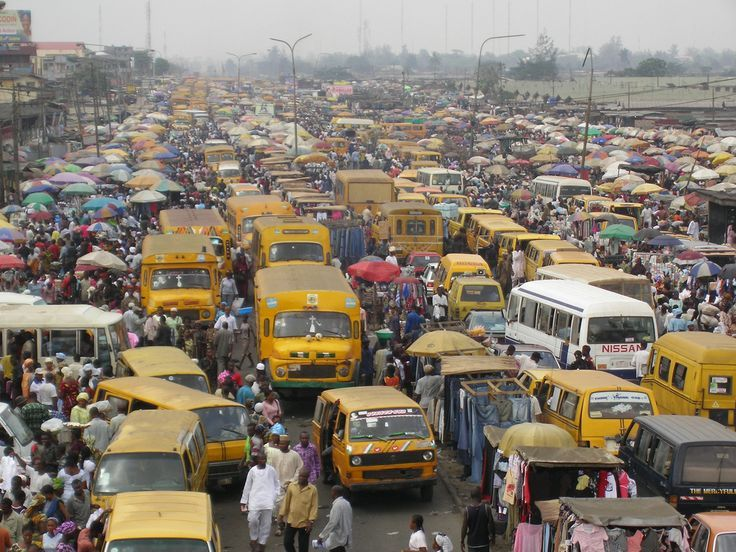
Lagos adds thousands of new residents every single day and the road network, public transport system, and urban planning are all running decades behind.
What should be a 20-minute journey takes four hours. And Nigerians have accepted this as the price of living in their own city.
5. Watching Billions Disappear and Going Back to the Polls
Nigeria loses extraordinary amounts of public money to corruption every year. The figures are staggering enough that they have stopped shocking people, which is itself the most alarming thing about them.
What Nigerians have normalised is the cycle. Money is stolen; or a snake would swallow it, maybe their village people too. There is outrage, an investigation is announced, the investigation goes quiet, then the accused returns to public life.
The election comes, and the same people or their associates appear on the ballot. Nigerians vote and just like that the cycle continues.
The outrage is real but it is not sustained long enough to produce accountability. Corruption in Nigeria is not a crisis that Nigerians are fighting. It is a weather pattern they have learned to dress for.

6. Burying Young People and Calling It God's Will
Nigeria's infant and maternal mortality rates are among the highest in the world. Young Nigerians die from road accidents on roads that should not exist in their current state, in vehicles that should not be roadworthy, travelling at night because daytime journeys take too long.
They die from treatable conditions in hospitals that cannot treat them. They die in conflicts that have been ongoing for years with no resolution in sight.
Social Insight
Navigate the Rhythms of African Communities
Bold Conversations. Real Impact. True Narratives.
And after every death, the response is grief, a funeral, and a return to normal. The deaths are individualised. They are mourned as personal tragedies rather than examined as systemic failures.
Insecurity remains rampant, with banditry, terrorism, and communal clashes in various parts of the country, affecting farmers, students, especially girls, and communities.
A country where young people die at the rates they do in Nigeria is not experiencing isolated tragedies. It is experiencing a sustained emergency that has been absorbed into everyday life so completely that the country has almost stopped flinching.
That numbness is the crisis underneath the crisis.
Conclusion
None of these things are inevitable. None of them are the natural condition of a Nigerian life. They are the accumulated outcomes of decades of poor governance, misallocated resources, and a political culture that has learned it can fail people without consequence.
The most dangerous thing about normalisation is that it makes the unacceptable feel permanent. It is not.