She100: The First, Then the Difference — How Gladys Kalema-Zikusoka Became Uganda's Pioneer Wildlife
Discover how Dr. Gladys Kalema-Zikusoka became Uganda’s first wildlife veterinary officer, revolutionized conservation through public health, and helped save mountain gorillas by empowering communities.
Some people don't just break into a field, they build the door first; Dr. Gladys Kalema-Zikusoka is one of them.
Born on January 8, 1970, in Kampala, Uganda, she would grow up to become the country's first wildlife veterinary officer, a conservationist whose work has helped pull mountain gorillas back from the edge of extinction and a scientist whose research was ahead of its time by about two decades.
During the COVID-19 pandemic, everyone started to pay more attention tozoonotic diseases. Dr. Gladys had already been working at that exact intersection — humans, animals, and shared environments — since the early 2000s.
A Family That Shaped Her
Her story begins with loss. Her father, a government minister, was killed when Gladys was just two years old, allegedly a casualty of Idi Amin's brutal regime.
Her mother, left to raise six children alone, refused to break. She went on to become one of Uganda's first female parliamentarians. That is the kind of resilience that gets inherited.
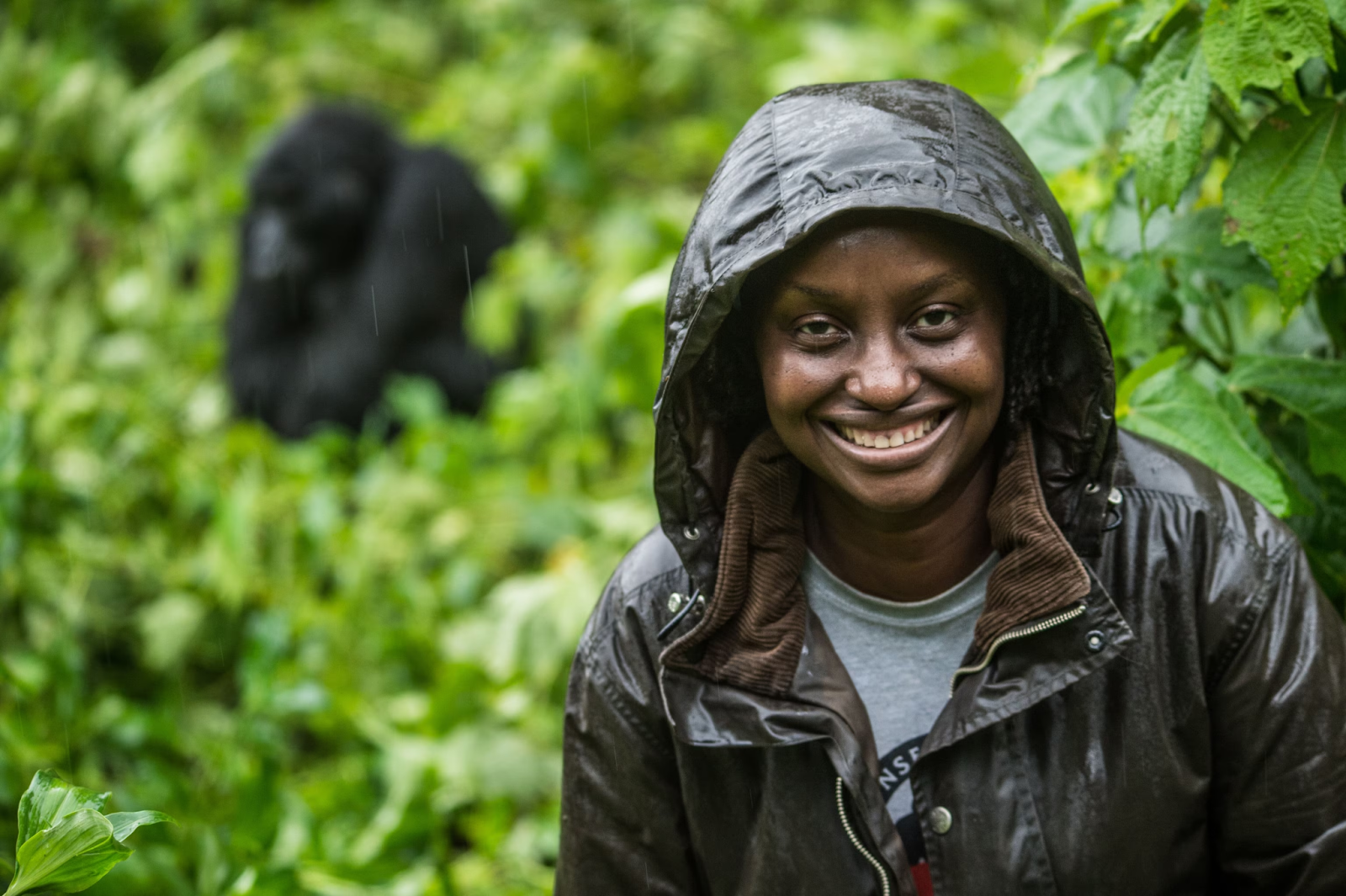
Growing up in Kampala, Gladys had always known she wanted to be a vet since she was two. By twelve, she had started a wildlife club at her school and was organising field trips to Queen Elizabeth National Park.
What other children did for fun, she was already doing with the clarity of someone who already knew what she wanted to be. That focus eventually earned her a scholarship to the Royal Veterinary College, University of London, where she graduated with a Bachelor of Veterinary Medicine.
She later completed a zoological medicine residency and a Master of Veterinary Medicine at North Carolina State University in the United States.
The Job That Didn't Exist Yet
When Gladys returned to Uganda, ready to work in wildlife veterinary care, the Uganda Wildlife Authority had no veterinary position. The assumption was that wild animals simply lived in the wild and that was enough.
There was no framework for treating them, studying disease transmission or monitoring their health. Instead of accepting that reality, she wrote a letter pushing for one to be created.
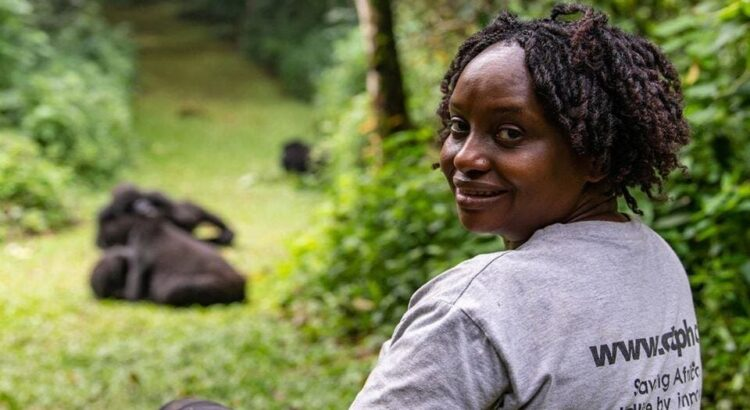
Remarkably, she got a response and an offer. At twenty-five, Gladys became Uganda's first wildlife veterinary officer, reporting to the Uganda Wildlife Authority with ten national parks to oversee.
The wildlife she inherited was in rough shape. Years of civil war had gutted the country's animal populations through poaching and displacement. Mountain gorillas in Bwindi Impenetrable National Park numbered around 300. She got to work.
The Scabies Outbreak That Changed Everything
One of Gladys's most important discoveries came from what looked, at first, like a contained problem. A scabies outbreak hit a village neighbouring Bwindi and then it spread into the gorilla population.
Scabies is a common skin condition in humans, but in gorillas, it can be life-threatening. Tracking the transmission back to its source, she confirmed what she had long suspected: human diseases could and did cross into gorilla habitats. The reverse was also true.
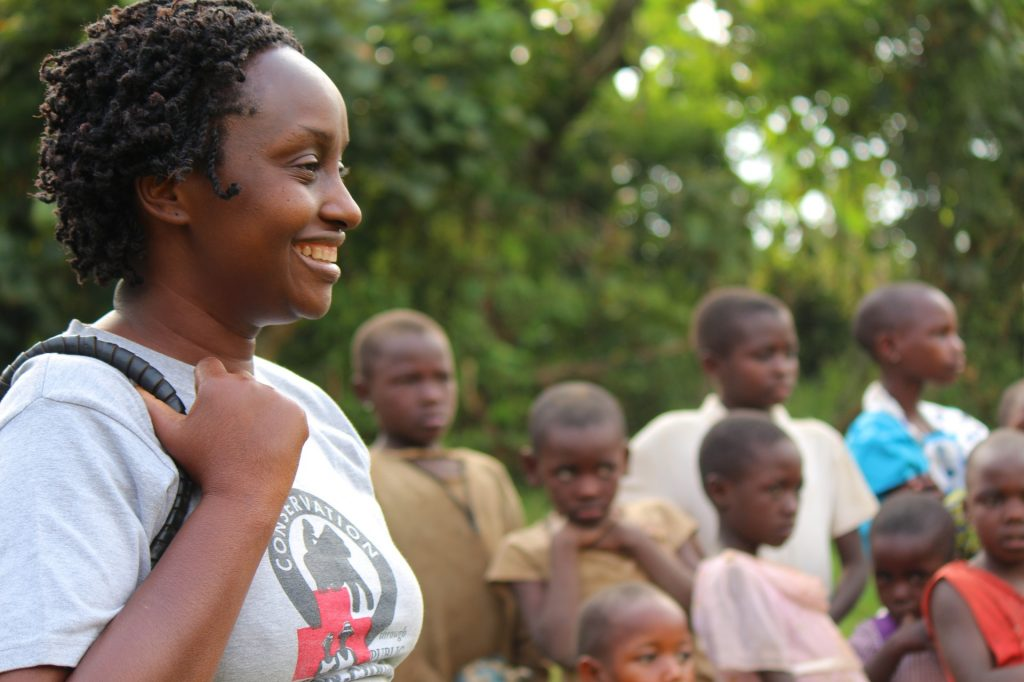
This finding reshaped her whole perspective to the situation. She realised that treating sick gorillas was not enough; you had to treat the conditions that made them sick in the first place which included poverty, limited healthcare access and the close proximity of communities to protected areas.
In 2003, she co-founded Conservation Through Public Health (CTPH) alongside her husband Lawrence Zikusoka and colleague Stephen Rubanga. It became one of the first organisations in the world to run a formal One Health field programme, integrating wildlife conservation, community health, and family planning into a single model.
Coffee, Gorillas, and Community Buy-In
CTPH also understood quickly that people protect what benefits them. In 2015, Gladys founded Gorilla Conservation Coffee, a social enterprise connecting farmers living near gorilla habitats to international markets for their premium Arabica coffee.
The logic is simple — if the community earns more because gorillas bring tourism revenue and conservation infrastructure, they have a material reason to protect the gorillas rather than compete with them.
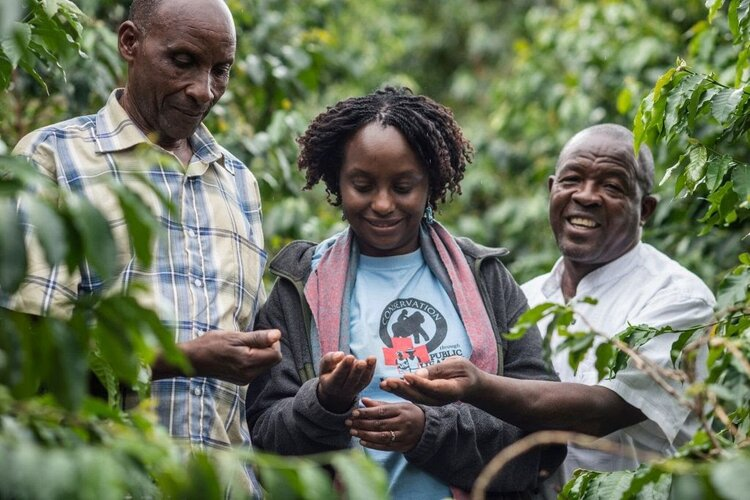

That community-first thinking helped push mountain gorilla numbers from around 300 in the late 1990s to approximately 1,000 today, enough to move them from "critically endangered" to simply "endangered." That is decades of fieldwork paying off.
Recognition That Followed the Work
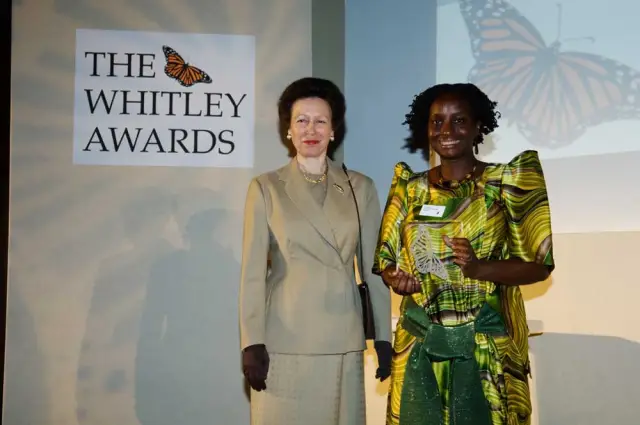
The awards eventually caught up. Gladys has received the Whitley Gold Award, the UN Environment Programme's Champion of the Earth Award for Science and Innovation in 2021, the Edinburgh Medal in 2022 and the BBC 100 Women recognition in 2023, among many others.
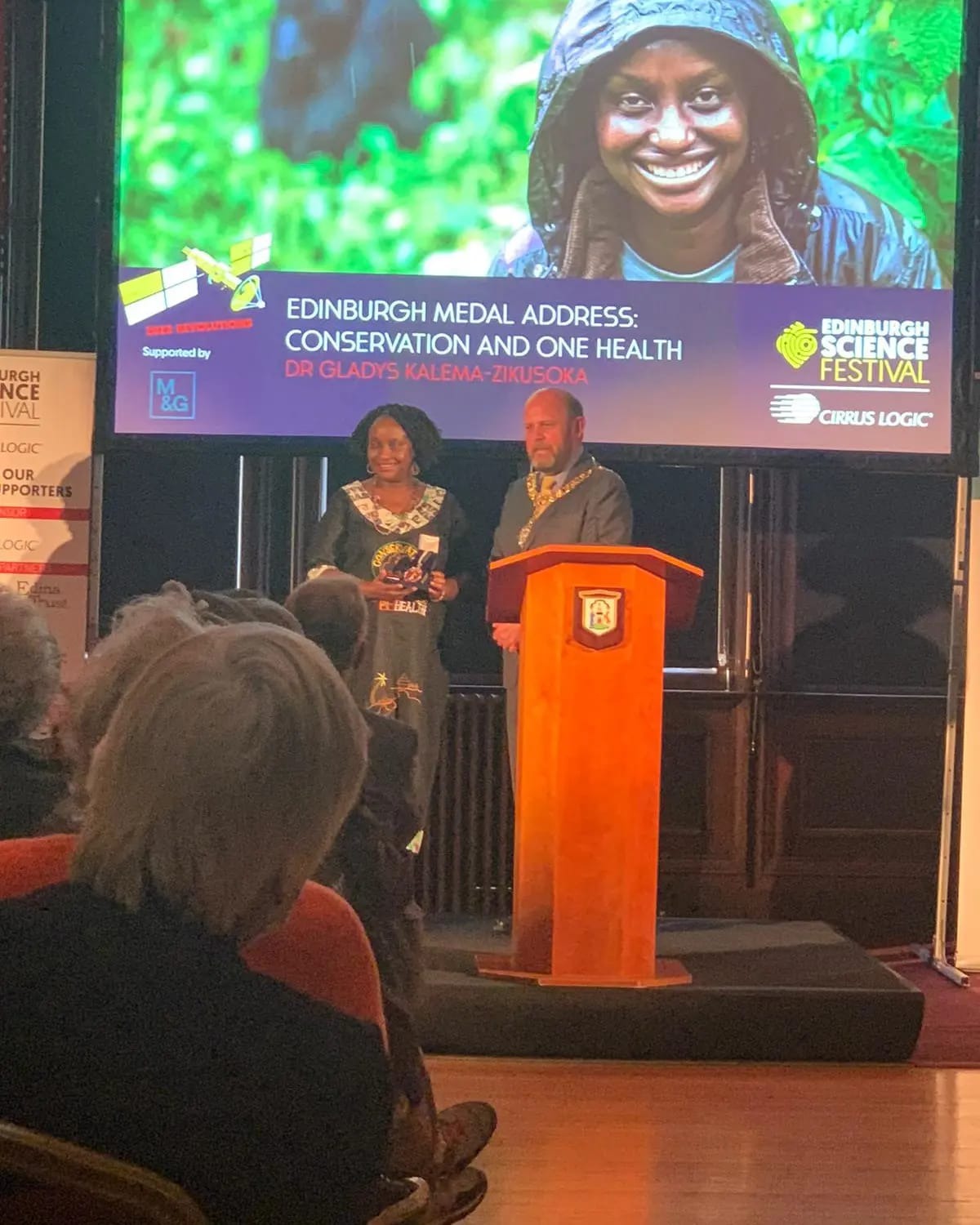
She is a National Geographic Explorer, an Ashoka Fellow and the author of Walking With Gorillas, a memoir with a foreword by Dr. Jane Goodall.
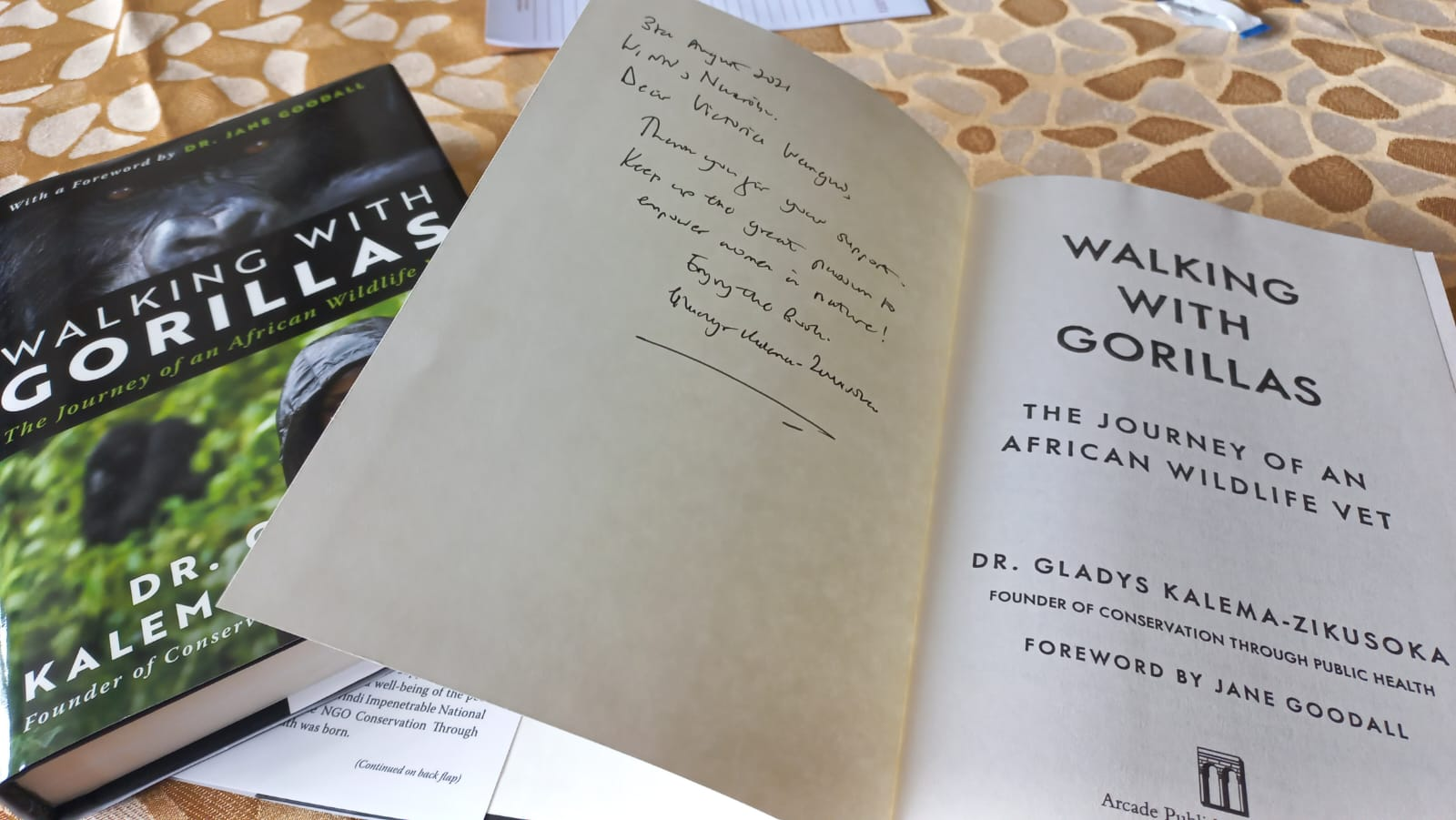
She has been called the next Dian Fossey. She is, in many ways, a scientist who understood that saving wildlife means saving the people who live alongside it, and who built the infrastructure to prove it.