She100: Omowunmi Sadik, the Lagos Girl Who Became One of America's Most Decorated Chemists
From Lagos to global recognition, Prof. Omowunmi Sadik has built a groundbreaking career in biosensor technology, becoming one of America’s most decorated chemists and a leader in scientific innovation.

There is a particular kind of Nigerian parent who points at a child and says, quietly but firmly, this one will be great.
Omowunmi Sadik's family did not need to say it out loud. She grew up in Lagos surrounded by scientists.
Her father was a pharmaceutical technician and by the time she left for university, the direction of her life was already taking shape. What nobody could have predicted was just how far that shape would stretch.
Today, Prof. Omowunmi Sadik is a Distinguished Professor at the New Jersey Institute of Technology, a holder of five US patents, a fellow of four of the world's most prestigious scientific bodies, and one of the most cited chemists working in biosensor technology anywhere on the planet.
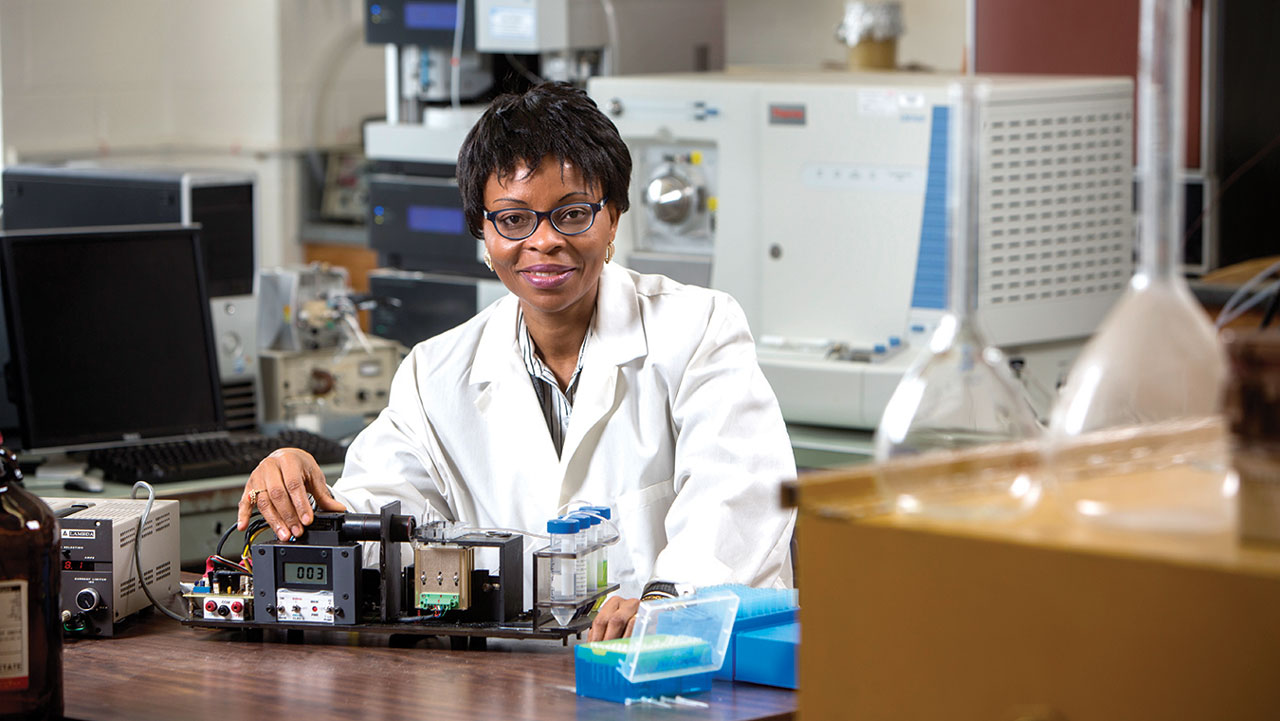
She is, by almost every measure, extraordinary. And she started right here.
From Unilag to Wollongong
Sadik did her undergraduate and master's degrees in Chemistry at the University of Lagos, graduating in 1985 and 1987 respectively.
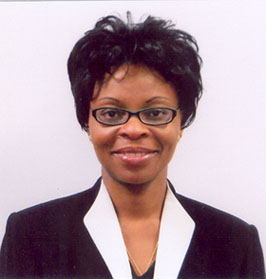
For a lot of people, that would have been enough — a solid academic record, a comfortable career in Nigeria. However, Sadik was not interested in enough.
She left for Australia, where she pursued her PhD in Chemistry at the University of Wollongong, finishing in 1994.
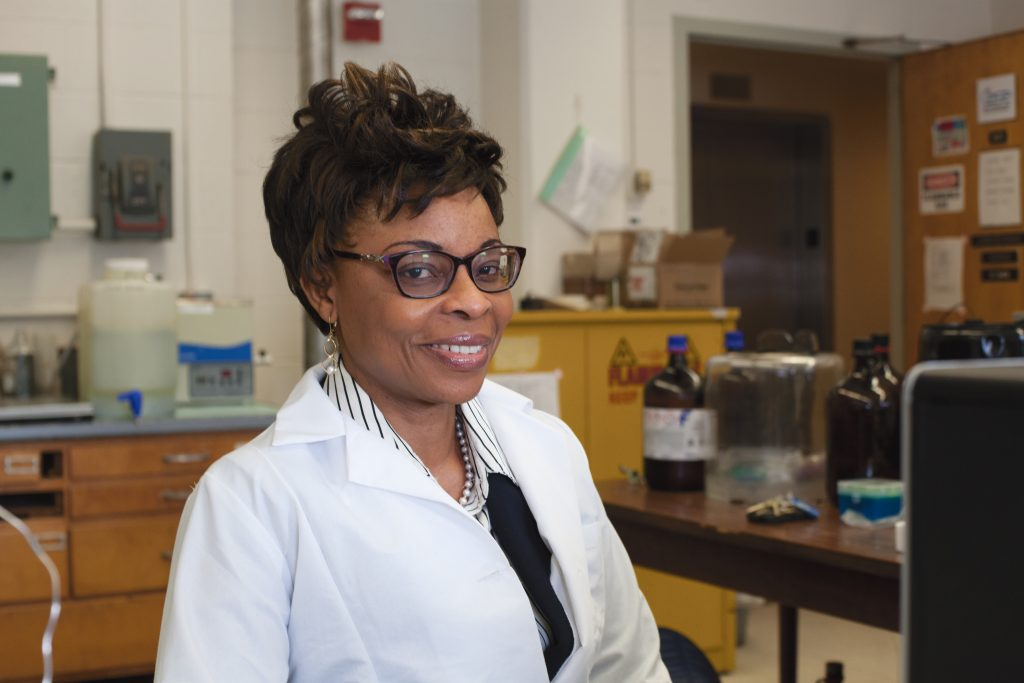
From there, she landed a postdoctoral fellowship from the National Research Council that took her to the US Environmental Protection Agency, not exactly a bad first posting.
She then joined Binghamton University in New York as an assistant professor, worked her way up to full professor by 2005, and eventually moved to NJIT in 2019, where she now also serves as Vice Provostfor Faculty Affairs.
The Science, Simply Put
If you have never heard the word biosensor outside of a science class, it is a part of science that really matters.
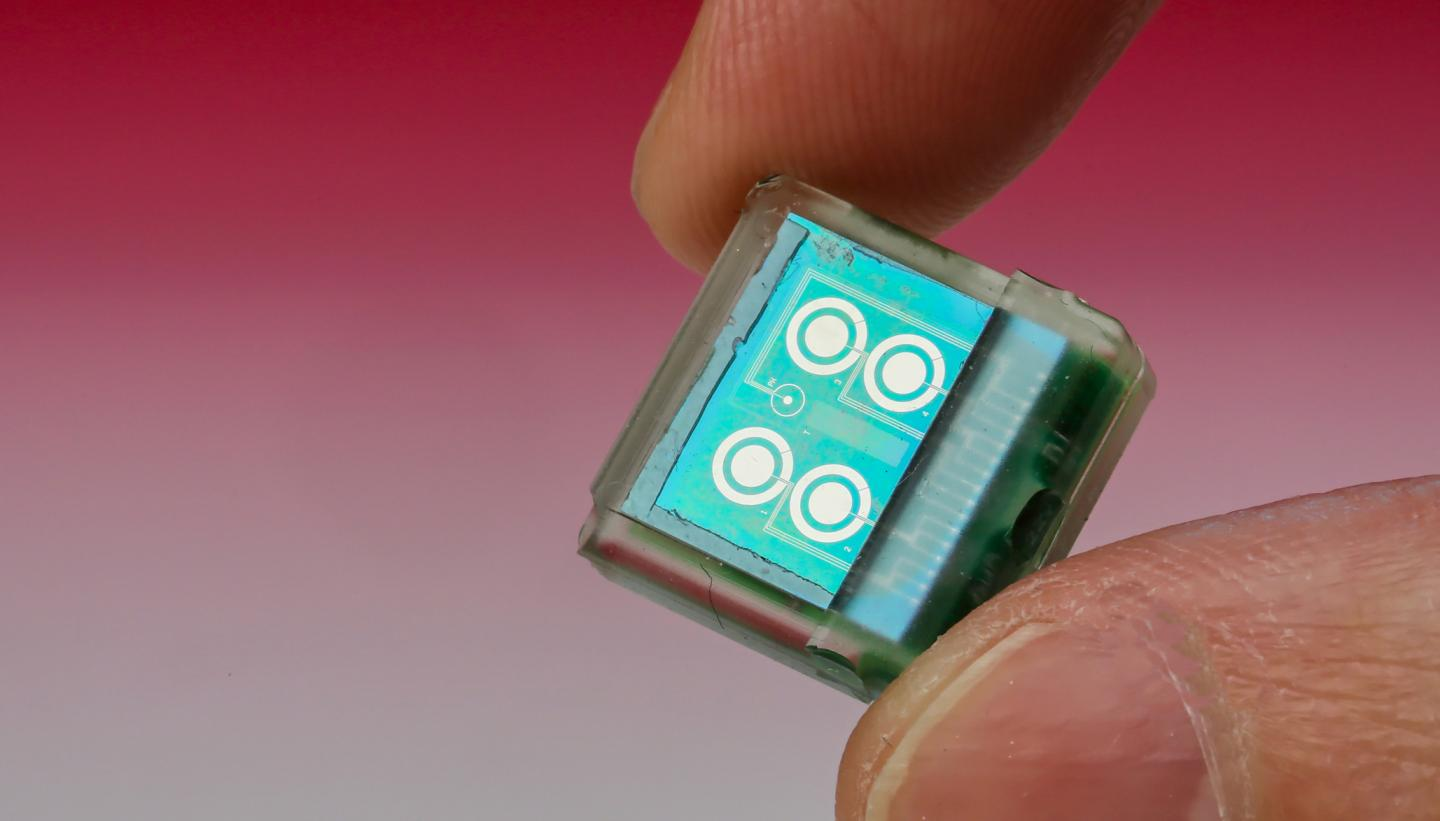
A biosensor is a device that detects biological or chemical substances and depending on what it is designed to find, it can tell you whether water is contaminated, whether someone is carrying explosives, whether a patient is in pain, or whether a virus is present in saliva.
Sadik has spent her career making these devices smaller, smarter and more powerful.
She developed microelectrode biosensors sensitive enough to detect trace amounts of organic material, the kind of technology that has real-world applications in drug detection and counterterrorism.
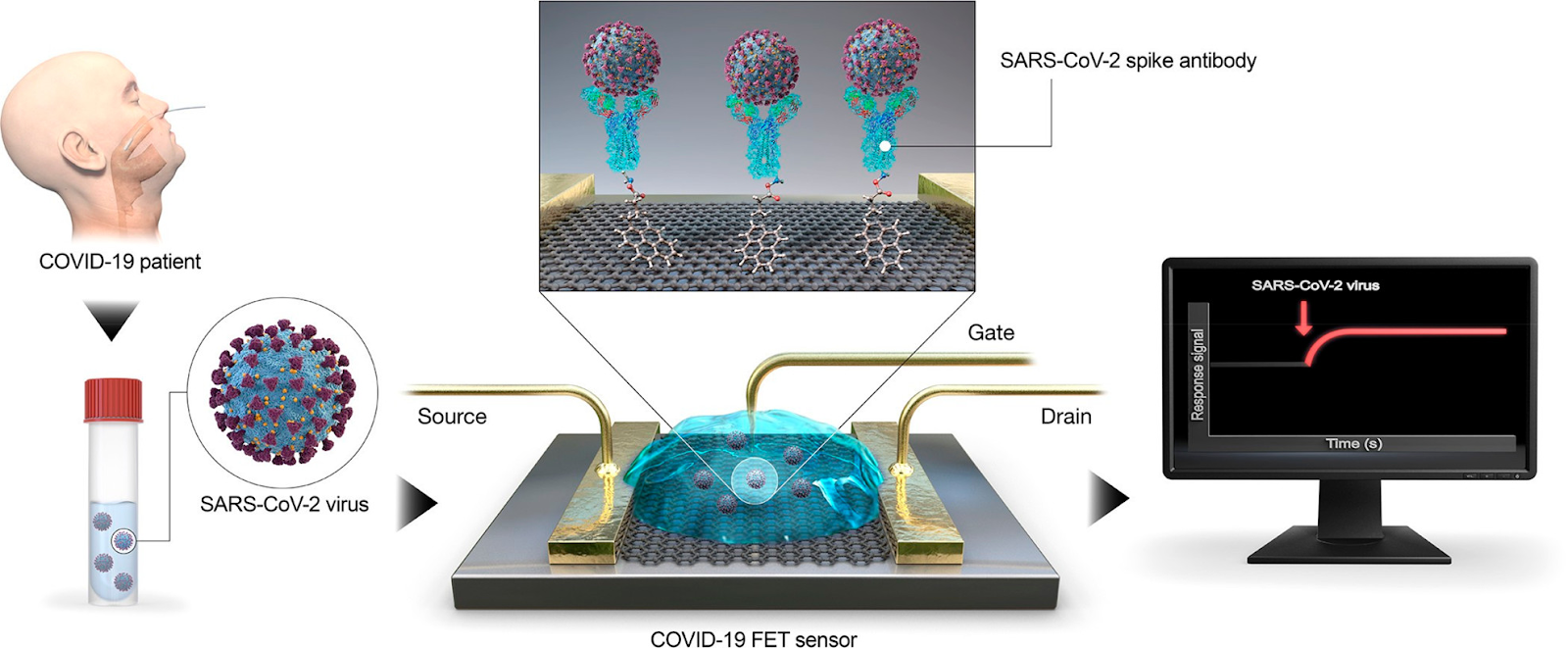
During the COVID-19 pandemic, she developed a sensor capable of detecting the virus using nothing more than a smartphone, simple enough, she noted, that undergraduates could 3D-print it themselves.
Her more recent work may be her most quietly revolutionary. Sadik has been leading research into biosensors that can accurately measure pain biomarkers in the human body.
Pain, as any doctor will tell you, is notoriously difficult to quantify. Patients describe it, clinicians estimate it and the gap between those two things has contributed to a crisis of over-prescription and addiction.
A reliable biological measure of pain changes that equation entirely. It is the kind of science that does not make headlines the way a drug launch does, but will almost certainly shape how medicine is practised in the next decade.
The Numbers Are Staggering

Five US patents. Over 200 peer-reviewed papers. More than 400 invited lectures and conference presentations around the world. Forty-one graduate students mentored. Sixteen postdoctoral fellows guided through their careers.
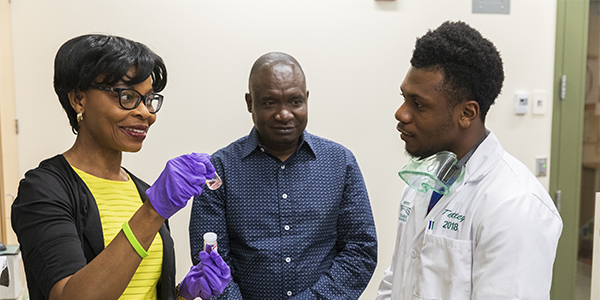
The fellowships alone read like a sweep of every major scientific institution in the English-speaking world: the Royal Society of Chemistry (2010), the American Institute for Medical and Biological Engineering (2012), the American Chemical Society (2023), and the National Academy of Inventors (2024).
When the ACS named her a fellow in 2023, a designation held by less than 1% of the society's 173,000 members worldwide, she became only the third NJIT faculty member ever to receive the honour.
Add to that a Distinguished Radcliffe Fellowshipfrom Harvard, the NSF Discovery Corps Senior Fellowship, the Jefferson Fellowship and Nigeria's own National Order of Merit Award, and you begin to understand the scale of what she has built.

Beyond the Lab
Sadik has never been content to do her work and go home. In 2012, she co-founded the Sustainable Nanotechnology Organization, a non-profit international body dedicated to making sure that as nanotechnology advances, it does so responsibly and with the environment in mind.
She has also held leadership rolesat the ACS and is credited with founding its subdivision on Sustainability and Green Technology.
She did not just do the science. She built the institutions that will shape how the science is done by everyone who comes after her.
What She Represents
Wunmi Sadik is not a symbol. She is a person — a chemist, an inventor, an institution-builder — who happened to grow up in Lagos and go to Unilag and become, decades later, one of the most decorated scientists in the United States.
The path she walked was not straight or easy, and the work she does is genuinely hard.
But for every Nigerian girl staring at a chemistry textbook right now, wondering whether this is a world that has space for her, Omowunmi Sadik is proof that the answer is yes.
She did not just find the space. She built more of it.