Andy Serkis Shakes Up 'Animal Farm' with Radical New Vision for a Modern Generation
Andy Serkis's long-awaited animated adaptation of "Animal Farm" is now in theaters, aiming to introduce George Orwell's satire to a new generation. The film underwent a significant shift from live-action to animation and introduces a new piglet protagonist, Lucky, to explore themes of corruption and misinformation from a fresh perspective. Serkis discusses the movie's modern relevance, key changes from the book, and the evolving perception of performance capture in the industry.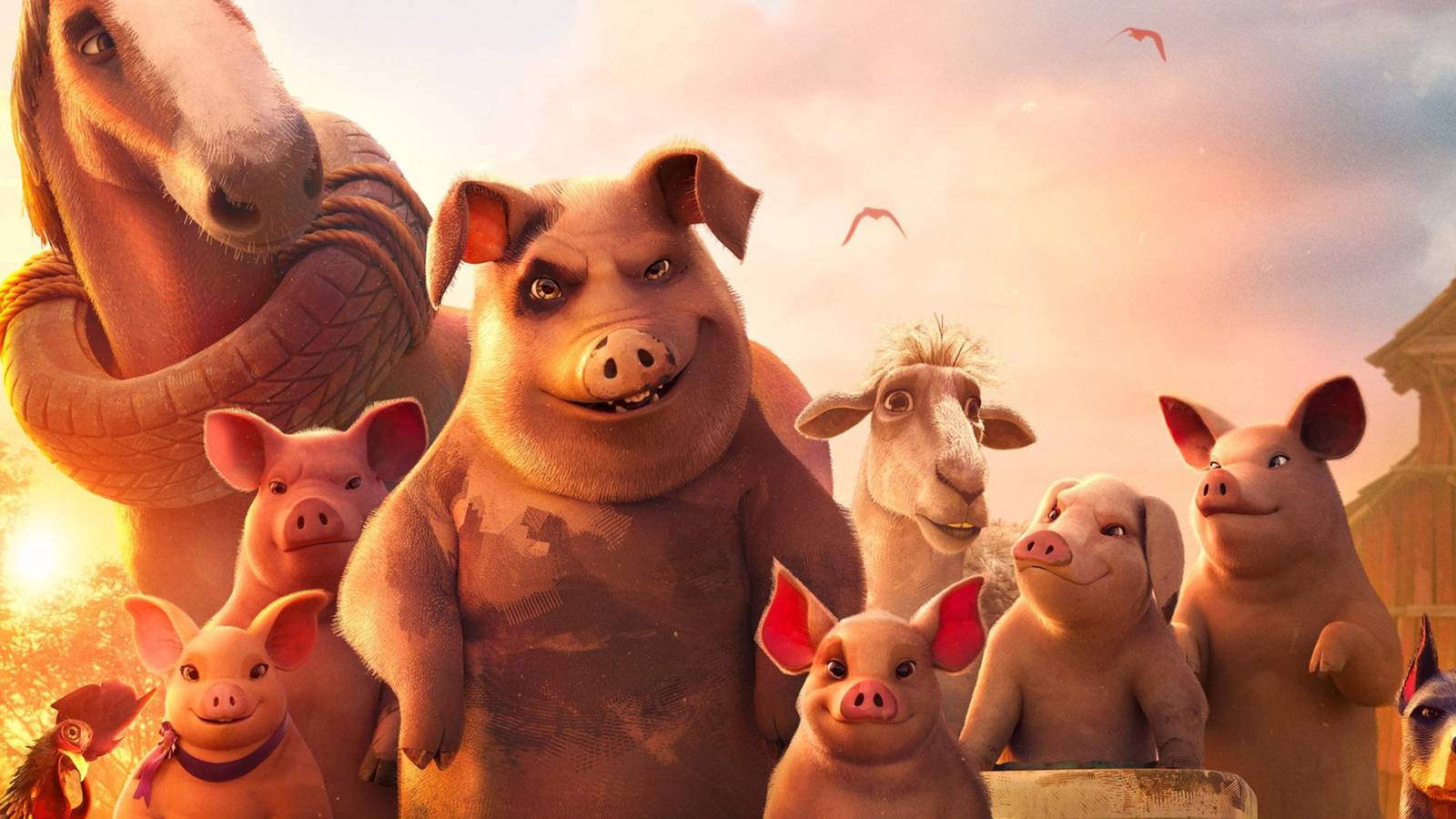
Director Andy Serkis's long-awaited passion project, an animated adaptation of George Orwell's enduring satire "Animal Farm," has finally arrived in theaters after more than a decade in development. Originally conceived as a live-action, performance-capture film, the project underwent a significant evolution, shifting to a softer animated aesthetic to engage a target audience of "young, inquiring minds" and families. The core goal for Serkis was to reintroduce Orwell's powerful narrative to a new generation, navigating themes of corruption, oppression, exploitation, and control prevalent in today's world without delivering a "message-y" movie.
The film's journey began in 2012, and its approach and story evolved considerably. Serkis, who pioneered performance capture with roles like Caesar in "Planet of the Apes," initially envisioned a darker, performance-capture driven movie. However, concerns about the graphic violence depicted in the novel – such as dogs attacking other animals – led to the decision to pursue animation. This allowed for a "Disney-esque" approach (recalling a darker era of Disney animation) and learning from companies like Pixar, enabling the exploration of modern themes intelligently without being patronizing. The goal was to imply the impending threat and underlying violence through misinformation and lies, rather than explicit depiction, as contemporary audiences are already desensitized to constant visual violence.
A pivotal change in Serkis's adaptation, written by Nicholas Stoller, is the introduction of a new character: Lucky, a young piglet voiced by Gaten Matarazzo. The story is largely experienced through Lucky's eyes, allowing viewers to witness the rebellion and farm takeover as he becomes close with the de facto leader, Napoleon (voiced by Seth Rogen), who deviously seizes power. This perspective was crucial for Serkis to engage young audiences, enabling them to follow a character's journey of moral corruption until the scales fall from his eyes, highlighting the universal mistake of listening to bad leadership and accepting lies. The film also features the vocal talents of Serkis himself, Laverne Cox, Woody Harrelson, Steve Buscemi, Glenn Close, and Kieran Culkin.
Serkis emphasizes that the film is about the notion that "we're all animals" and challenges the idea of seeing oneself as "above others." A key moment in the film poses the question to Lucky, "Are you a pig or are you an animal?" This query encapsulates the movie's central theme: whether one seeks to be elite while others struggle, or to serve everyone. The adaptation deliberately connects to contemporary issues like fake news and misinformation, which have only "snowballed" since the project's inception in 2012. While Orwell's original work was a critique of Stalinism, Serkis aimed to make the film resonate with today's global politics, acknowledging Orwell's prescience in anticipating these modern struggles.
The adaptation also takes liberties with certain aspects of the book. While Orwell's pigs quickly separate themselves from other animals even before the rebellion, Serkis's film, for a moment, strives to make it feel like everyone is equal initially. The opening is designed as a shock, diverging from the book's setup to fit the film's tone. Furthermore, unlike the book's notoriously dark and hopeless ending, Serkis chose to offer a glimmer of hope. While not tying things up neatly, the film suggests that despite history repeating its mistakes, humanity must "keep trying." This hopeful message is specifically aimed at young people, encouraging them not to be despondent about the future they will inherit.
Serkis also reflected on the current state of performance capture technology and its recognition within the industry. He believes the industry is increasingly understanding and respecting performance capture as a legitimate form of acting. While it might take longer for it to be fully integrated into traditional acting categories for awards, the marriage of technology and filmmaking to create an actor's performance is becoming more accepted. Serkis clarified that the application of performance capture can vary, with some directors like James Cameron seeking 100% fidelity to the actor's choices, while others allow for more latitude in reanimating expressions, as seen in "Tintin." He expressed a strong desire for a sequel to "Tintin" but acknowledged Peter Jackson's important work in other areas.