SHE100: African Luxury on African Terms. That's the Sarah Diouf Story
She went from journalism to building one of Africa's most powerful fashion brands. This Women's Month, Sarah Diouf shows what it looks like to keep luxury on the continent.
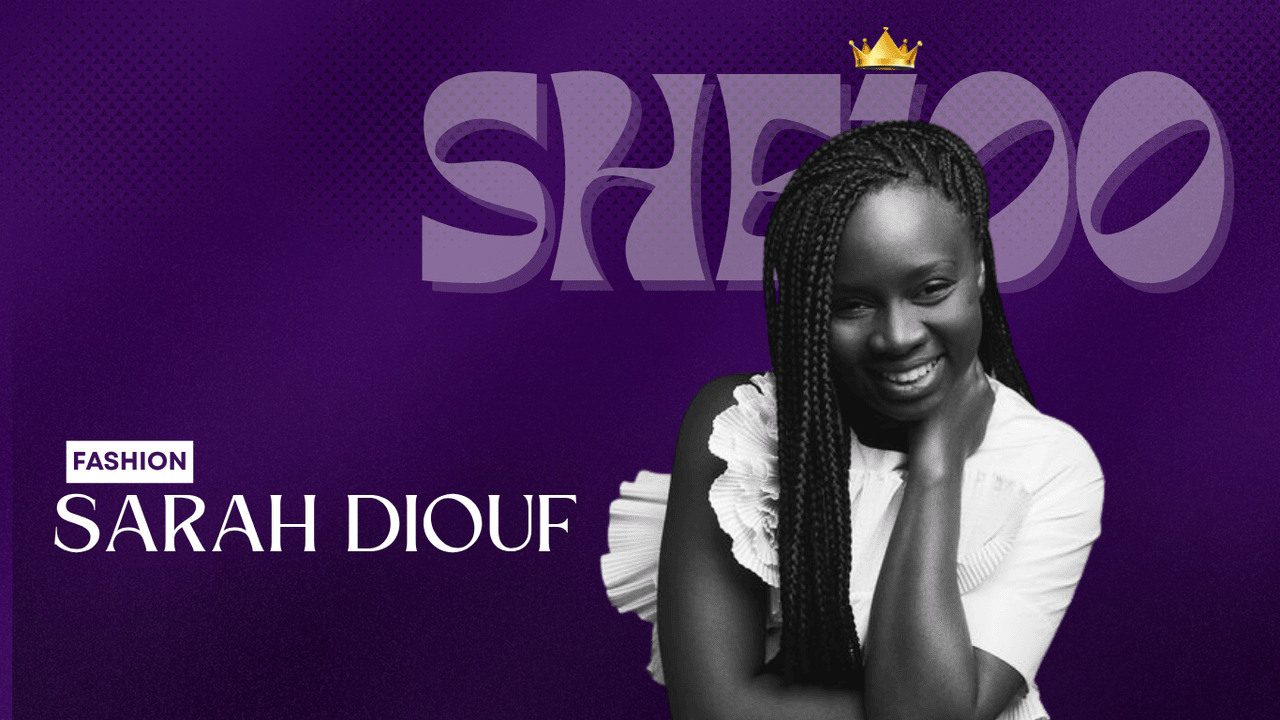
For a long time, Africa's relationship with the global fashion industry followed a frustrating pattern. The continent produced some of the world's most recognizable textiles and aesthetics.
But the industry itself, the jobs, the money, the prestige, rarely stayed home. Fabrics were exported. Ideas were borrowed. And African creativity was treated as inspiration rather than origin.
Sarah Diouf built her career pushing back against that.
The Senegalese entrepreneur and designer founded Tongoro, a fashion label built on one straightforward but radical idea: luxury clothing designed, produced, and manufactured entirely in Africa.
No outsourcing. No European manufacturing hubs. Just African craftsmanship, finished on the continent, and sold to the world.
That conviction has made Tongoro one of the most influential African fashion brands of the last decade.
She Was a Journalist First
Before she became a designer, Sarah was telling stories about the industry she would eventually reshape.
Born in Senegal and raised between Senegal and France, she built an early career in fashion media, eventually becoming editor in chief of Ghubar, a magazine focused on African creativity and diaspora identity. The role gave her a front row seat to global fashion and a clear view of its structural gaps.
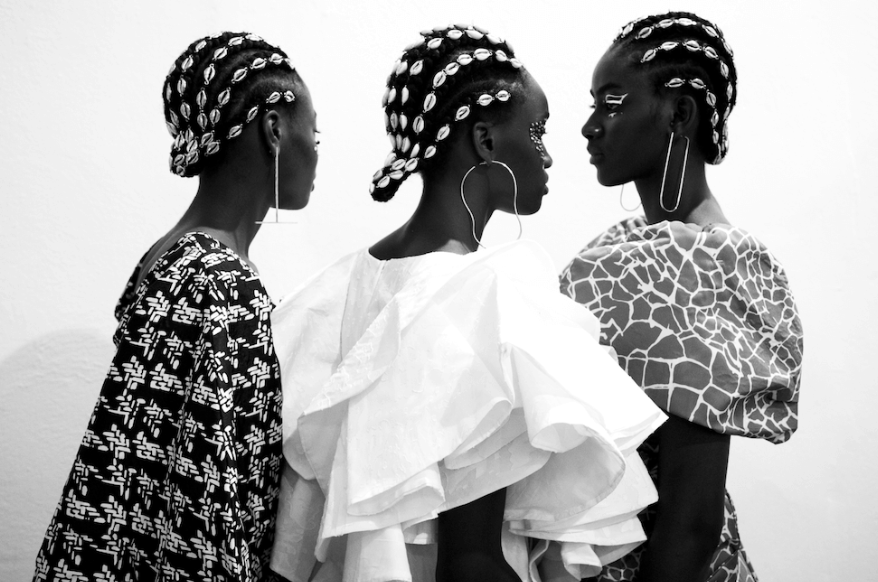
African designers were getting international attention. But the infrastructure to support them wasn't keeping up. Manufacturing was limited. Distribution was inconsistent. And too many designers depended on Western markets just to survive.
Documenting those problems wasn't enough for her. In 2016, she launched Tongoro in Dakar, Senegal.
The name comes from a West African word for someone who is always moving, always discovering. It reflected exactly what she was building: a brand that could travel the world without ever losing its roots.
The Business Model Is the Statement
Tongoro's clothes are beautiful. But what makes the brand genuinely different is how they are made.
Every garment is produced locally in Dakar, through a network of skilled tailors and artisans who blend traditional craftsmanship with contemporary techniques.
The entire supply chain stays on the continent, which means the creative control, the economic value, and the employment all stay there too.
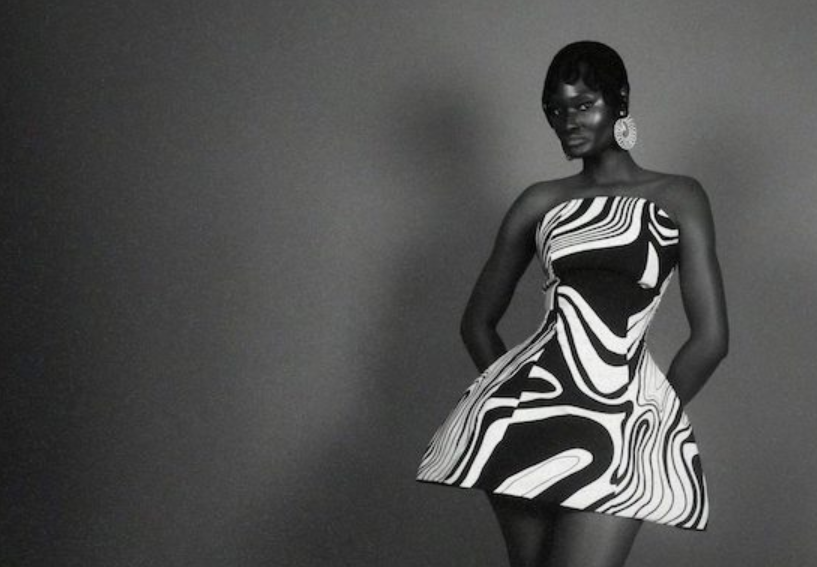
In global luxury fashion, that is unusual. The industry has long relied on established European manufacturing hubs where generations of artisans and infrastructure already exist. Building something equivalent in Africa takes real effort and real commitment.
Sarah made that commitment from day one. Her position is clear: African fashion shouldn't just export raw materials or cultural references. It should export finished luxury products.
And as conversations about ethical production, sustainability, and transparent supply chains have grown louder across the fashion world, Tongoro looks less like a boutique label and more like a model for where the industry needs to go.
Then Beyoncé Wore the Clothes
Months back, Beyoncé wore a Tongoro outfit during her cowboy Tour. The look, a vibrant printed ensemble, spread across the internet almost immediately, introducing millions of people to a brand they had never heard of.
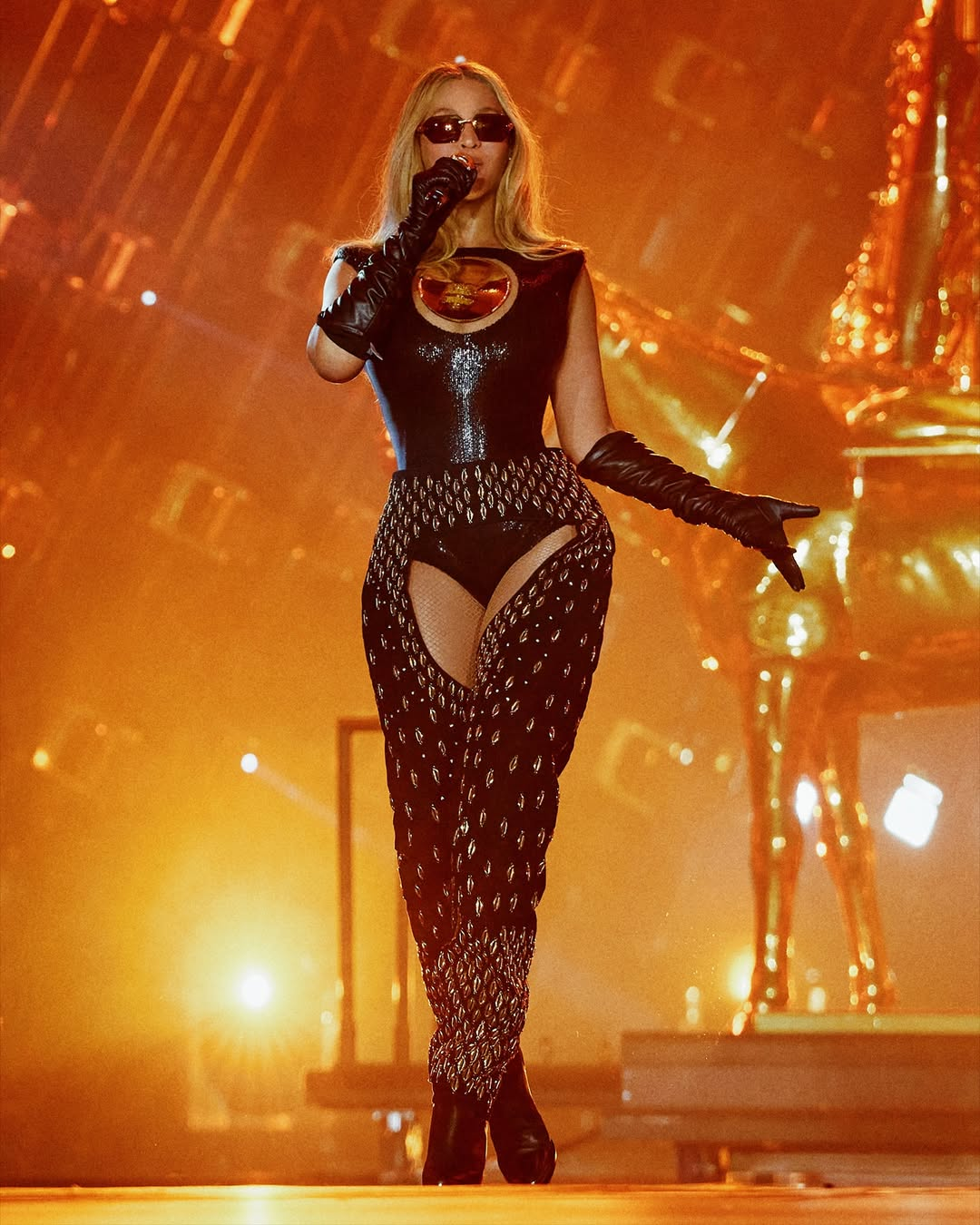
Naomi Campbell, Alicia Keys, and other high profile figures followed.

For Diouf, though, the celebrity attention was never the point. Every time a Tongoro piece appeared on a global stage, it was quietly making the same argument: luxury can come from Dakar just as easily as it can come from Paris or Milan.
The Clothes Themselves
Tongoro's aesthetic doesn't look like what most people picture when they think of African couture.
There is no heavy embellishment or dramatic structure. Instead, the clothes are clean, fluid, and relaxed. Bold prints and vibrant colour with a minimalist silhouette underneath.
Sarah designs for women who are constantly moving between environments. The pieces work at the beach, in a city, at a cultural event. That versatility is intentional. So is the restraint.
Rather than presenting African culture as something exotic or ornamental, she integrates it naturally into contemporary design. The heritage is there. It just doesn't announce itself.
What Makes Sarah Unique?
African fashion is having a moment. Designers across the continent are getting global recognition, and fashion weeks from Lagos to Johannesburg are pulling in international attention.
But within that wave, Diouf stands apart because she is not just thinking about aesthetics. She is thinking about infrastructure.
Tongoro shows that it is possible to build a luxury brand that keeps design, production, and economic value inside Africa.
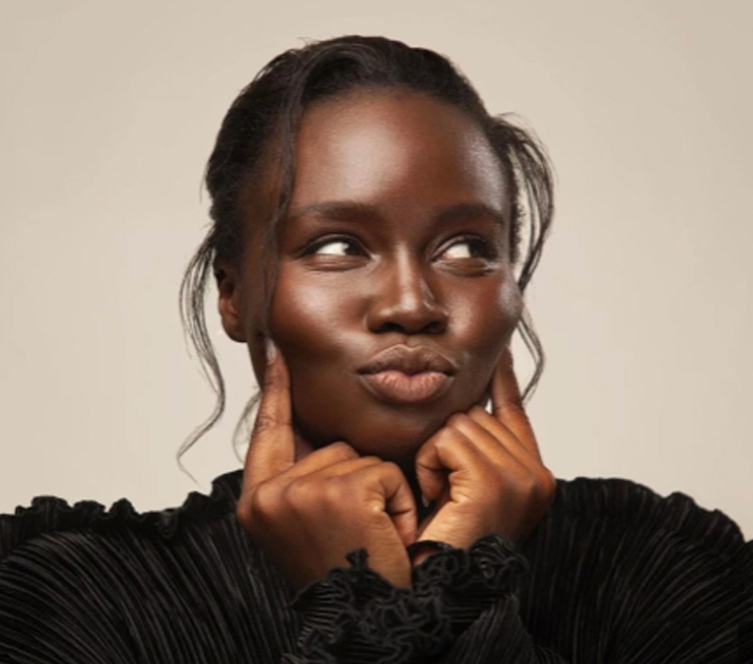
That it is possible to challenge the old assumption that prestige has to be manufactured in Europe. That authenticity and local craftsmanship can create their own kind of prestige.
That shift matters far beyond one brand or one designer.
It points toward a future where African creatives don't just supply the inspiration for global fashion. They control the entire chain, from the first sketch to the finished garment to the global market.
And in an industry that has spent decades drawing from Africa while overlooking its creators, that might be the most important design decision of all.