Rainbow Wonders: Nature’s Colorful Spectacle
Rainbows are more than colorful arcs in the sky. Read about the beauty, science, and surprising fun facts behind rainbows, from why they appear after rain to rare sights like double rainbows and moonbows.
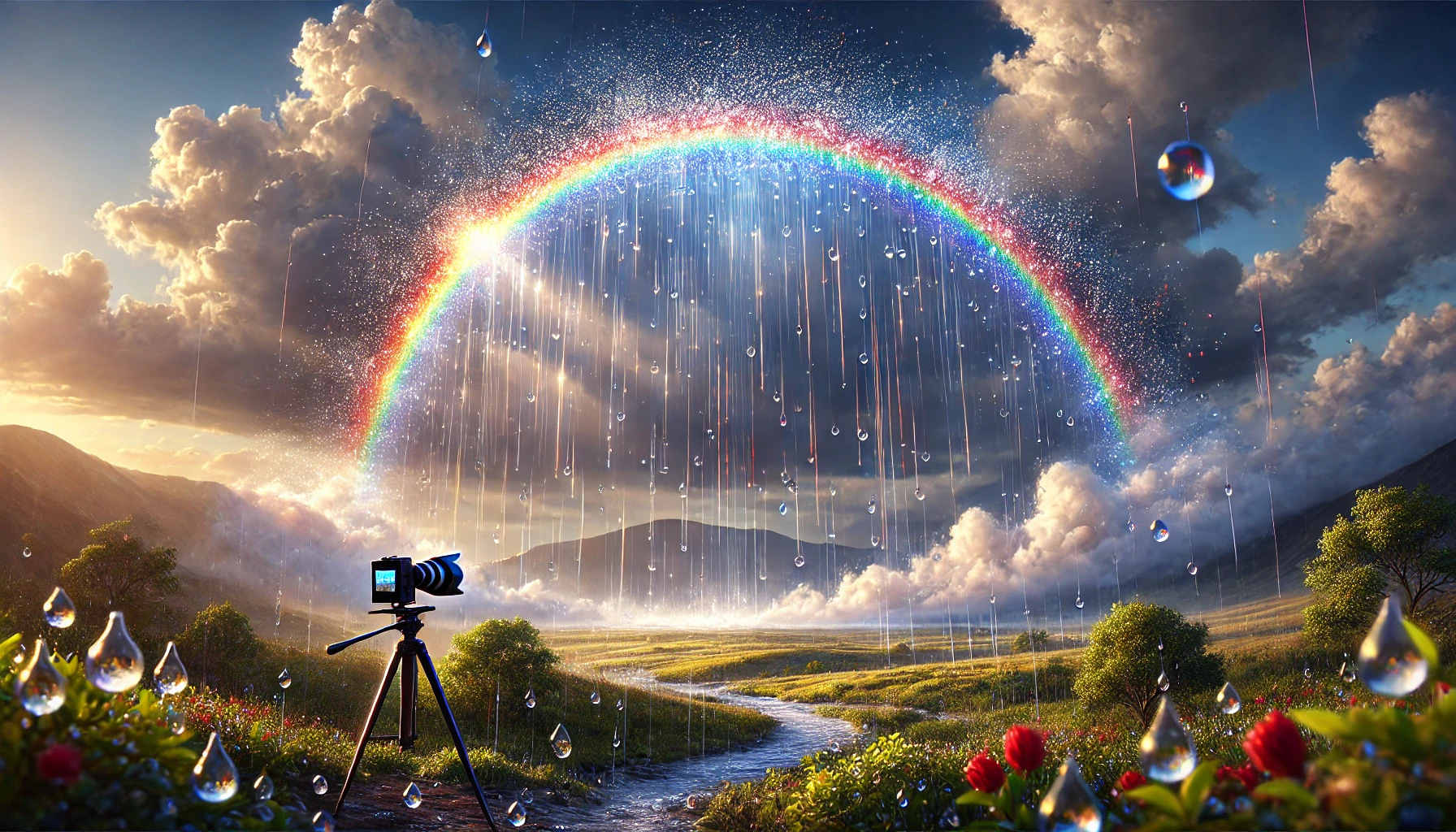
I remember when I was very much younger, my siblings and I would eagerly wait at the balcony when it’s raining, hoping to see rainbows by the time the rain stopped,
And we were lucky a few times to see,
Oh, that feeling… we would be excited for the rest of the day.
There’s something about a rainbow that makes people stop in their tracks,
Maybe it’s the sudden burst of color after a storm, or the way it stretches across the sky like a giant, painted smile.
It’s one of those moments that feels almost magical,
It makes me think that beauty can appear when you least expect it.
And yes, for those who remember the story of Noah’s Ark, the rainbow was God’s promise never to flood the earth again.
That ancient story gives the rainbow a sense of hope and reassurance, but even without the story, rainbows are enough to make anyone pause in awe.
So, what makes them so mesmerizing?
A rainbow is essentially nature showing off with a little science behind it.
When sunlight hits raindrops in the air, it bends, bounces around inside the droplet, and splits into all the colors we see.
This bending of light is called refraction, and the splitting of colors is known as dispersion.
The result? That perfect arc of red, orange, yellow, green, blue, indigo, and violet stretching across the sky.
Social Insight
Navigate the Rhythms of African Communities
Bold Conversations. Real Impact. True Narratives.
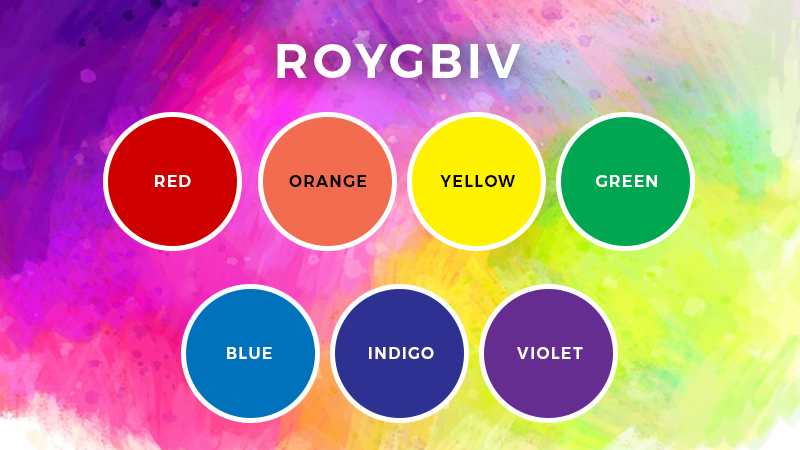
I remember when I was in primary school we were being taught the color of the rainbow and the abbreviation was ROYGBIV, which made us remember the colors listed above, and then we would always sing with it, it was so much fun.
Of course, a rainbow doesn’t just pop out of nowhere, it needs a little help from rain.
Tiny water droplets hanging in the air are the secret ingredient.
When sunlight streams from behind you and hits those droplets, it bends, bounces around, and splits into the dazzling colors we love. That’s why you usually spot a rainbow right after a rain, when the clouds are breaking and raindrops are still lingering in the air.

I would say it’s nature’s way of turning a gray, rainy day into a colorful show.
Now, let’s have a fun thought:
Rainbows are actually full circles, We usually see only the top half because the ground hides the rest. If you were in a plane or high enough above the ground, you could see the complete circle, a glowing loop of colors that seems almost unreal.
Have you ever seen a double rainbow?
That’s when a second, fainter arc appears above the main one, with the colors reversed.
Double rainbows are rare enough to make people stare and smile, and if the conditions are perfect, you might even notice extra faint stripes next to the main colors.
Scientists call these supernumerary rainbows, and they look like delicate pastel halos hugging the main arc.
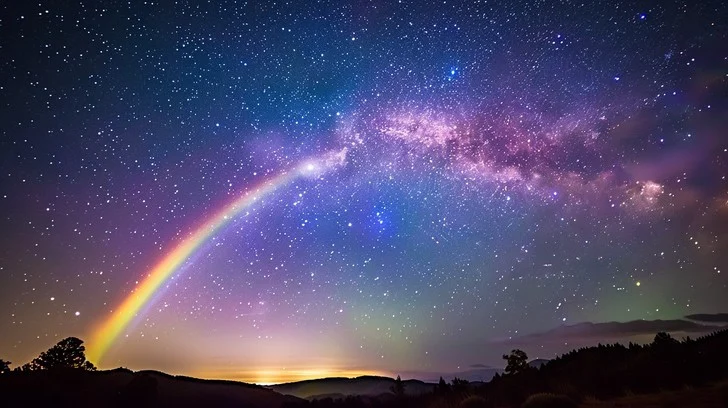
And then there’s the moonbow, let’s liken it to “the rainbow’s nighttime cousin”.
Unlike the bright, sunny arcs we’re used to, moonbows are created by moonlight and often appear almost white to the human eye, though cameras can capture their hidden colors.
Social Insight
Navigate the Rhythms of African Communities
Bold Conversations. Real Impact. True Narratives.
Rainbows have also fascinated humans for centuries, inspiring stories, art, and even superstition.
In Irish folklore, there’s the famous tale of a pot of gold at the end of a rainbow, though the tricky part is, the end of a rainbow doesn’t actually exist. It moves as you move, forever teasing the curious.
In Japan, rainbows have been seen as bridges connecting heaven and earth, and in some cultures, they’re considered lucky omens.
But beyond myths and stories, there’s something universally uplifting about a rainbow. It’s a reminder of perspective and patience.
Different people see slightly different rainbows depending on where they’re standing. That fleeting beauty encourages us to slow down, look up, and appreciate the world around us, even if only for a few moments.
Rainbows also pop up in surprising places. Tiny spray from waterfalls, fountains, or even garden hoses can create miniature rainbows if the sunlight hits just right.
And if you’ve ever seen a rainbow-colored reflection on a CD, a bubble, or oil on water, you’re seeing the same physics at work — light splitting into its vibrant spectrum.
Want to make your own mini rainbow at home?
Fill a glass with water, place it in sunlight near a white wall, and tilt the glass. Voila — a mini rainbow, perfect for experimenting with angles, reflection, and light. It’s science and magic rolled into one simple, joyful experiment.
Rainbows are more than just colors in the sky; they’re nature’s way of reminding us that even after a storm, something beautiful can appear.
Quick Rainbow Facts:
Rainbows are formed when sunlight is bent and reflected inside water droplets.
The order of colors in a rainbow is always red, orange, yellow, green, blue, indigo, violet — thanks to the physics of light.
Rainbows can appear in waterfalls, fountains, or even tiny sprays of mist, not just after rain.
Moonbows occur at night when moonlight produces the same light-bending effect as sunlight.