Quentin Tarantino's 'Kill Bill: The Whole Bloody Affair' Sells Out Nationwide
Quentin Tarantino's epic revenge saga, <i>Kill Bill</i>, is now available in its complete, four-hour cut, <i>The Whole Bloody Affair</i>. This definitive version reintegrates previously excised segments, offering a fresh perspective on The Bride's quest for vengeance and a deep dive into Tarantino's maximalist filmmaking at its most experimental. Uma Thurman's iconic portrayal of The Bride remains central, highlighting both her fierce combat skills and profound emotional depth.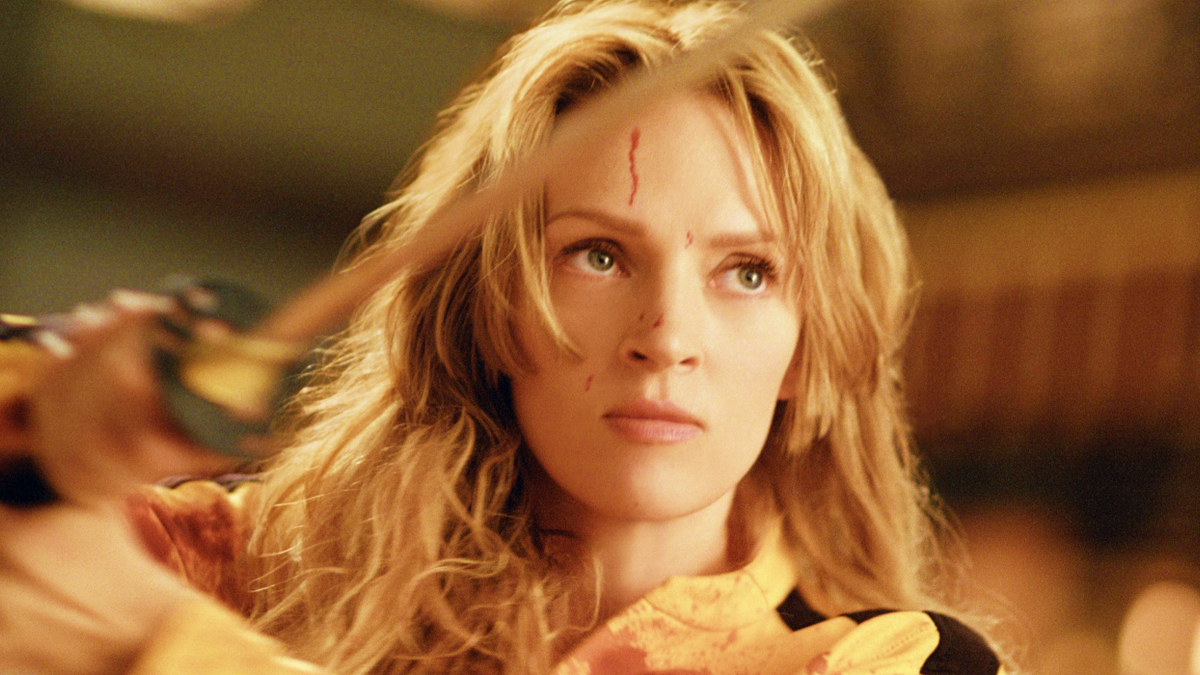
In 2003, after a six-year hiatus following the acclaimed films Reservoir Dogs, Pulp Fiction, and the more restrained Jackie Brown, Quentin Tarantino unleashed his fourth cinematic endeavor: Kill Bill. This project marked a radical departure, emerging as an explosion of excess, ambition, and playfulness, so vast in scope that it was initially released in two distinct parts. Kill Bill Vol. 1 premiered as a wild, blood-soaked martial arts epic, followed six months later by Kill Bill Vol. 2, which, while still a revenge film, leaned more heavily into Tarantino’s signature dialogue. More than any other film, Kill Bill, across both volumes, showcased Tarantino fully embracing and reimagining the genres he deeply loved. The decision to split the film allowed for greater narrative breadth, incorporating sequences such as the Pai Mei training in Vol. 2 and the anime segment in Vol. 1, which Tarantino stated would have been significantly truncated in a single, shorter cut.
Over the years, a combined version titled Kill Bill: The Whole Bloody Affair has been screened intermittently, most notably at Tarantino’s New Beverly Cinema. Now, this comprehensive, over four-hour cut is receiving a full-blown release, offering a magnificent experience that serves not only as an incredible way to view Tarantino’s most bombastic film but also as a powerful reminder of his evolution as a filmmaker over two decades.
For those unfamiliar, Kill Bill chronicles the story of The Bride, portrayed by Uma Thurman, a former assassin. She attempts to escape her past and her lover, Bill (David Carradine), the leader of the Deadly Vipers Assassination Squad. Tragically, during her wedding rehearsal, a now-pregnant Bride is brutally gunned down in church by the Deadly Vipers. Miraculously, The Bride, formerly codenamed “Black Mamba,” survives. Four years later, she awakens from a coma, no longer pregnant, and fueled by an unyielding thirst for vengeance. She meticulously crafts a kill list, targeting each member of the squad: O-Ren Ishii (Lucy Liu), who has risen to become a yakuza leader in Tokyo; Vernita Green (Vivica A. Fox), now living a seemingly ordinary life as a mother and wife in suburbia; Budd (Michael Madsen), Bill’s estranged, alcoholic brother residing in a desert trailer; and Elle Driver (Daryl Hannah), a formidable one-eyed assassin whose hatred for The Bride rivals her own. After systematically eliminating these former comrades, The Bride will embark on her ultimate mission: to finally, as the title dictates, kill Bill.
The alterations within The Whole Bloody Affair are relatively minor but subtly reshape the narrative’s momentum. One notable change is the removal of the jarring cliffhanger that concluded Vol. 1, which was originally designed to leave audiences eager for Vol. 2. Its absence in the combined cut strengthens the impact of Vol. 2’s finale, delivering a more profound emotional punch. Similarly, The Bride’s introductory recap to Vol. 2 is understandably omitted. The most significant actual addition to this cut is a slightly extended anime chapter, Chapter 3: The Origin of O-Ren, featuring an extra scene where O-Ren avenges an associate of yakuza boss Matsumo, named Pretty Riki. While a fun sequence, it was deemed ultimately unnecessary for the theatrical release. Unfortunately, a post-credits segment, “The Lost Chapter: Yuki’s Revenge,” created using Fortnite, is included. This addition is widely criticized for its nightmarishly awful execution and for introducing an uninteresting new character in a gratuitous action scene, adding nothing of value to the story.
Despite these minor shifts, The Whole Bloody Affair offers a compelling lens into Tarantino at the peak of his experimentation. It showcases a filmmaker who, having already defined much of 1990s cinema, was gleefully throwing every cinematic idea into the mix to see what resonated. Tarantino has always openly acknowledged his inspirations, but Kill Bill represents his complete immersion in the films he adores. It remains arguably his most ambitious project. Sequences like the massive samurai action sequence with The Crazy 88s and the inclusion of an anime origin story demonstrate his audacious playfulness. Even as the second half reins in some of the wildness, his deep love for Westerns and Japanese cinema permeates almost every frame. At this stage of his career, Tarantino was akin to a child in a candy store, and Kill Bill embodies the exhilarating sugar rush he was capable of delivering. While his subsequent five films have featured grandiose moments, they have also shown a more acute awareness of restraint, making Kill Bill feel like the work of a different, earlier storyteller.
Ultimately, Kill Bill remains a remarkable and essential work, foundational to the filmmaker Tarantino would become. A pivotal element of its enduring greatness is Uma Thurman’s iconic portrayal of The Bride. Thurman delivers an unparalleled performance, masterfully shifting between the visceral demands of intense fight scenes and the profound emotional depth required in moments like discovering the loss of her child. While she is adept at action and gore, it is her ability to convey overwhelming emotion, particularly in the climactic dialogue-driven confrontation with Bill, that truly elevates the film. This scene, exploring the nature of their relationship and the secret identities of superheroes, highlights how some of Tarantino’s finest moments are rooted in his incredible dialogue rather than overt violence.
Kill Bill: The Whole Bloody Affair may not be the definitive version of this story, but its subtle shifts and combined narrative offer an intriguing alternative. It stands as a brilliant reminder of Tarantino at his most cool, playful, and ambitious, and a testament to Uma Thurman’s defining role, effortlessly cutting down foes with both a Hattori Hanzō sword and Tarantino’s sharp dialogue. The film encapsulates a filmmaker’s profound love for cinema, fully embracing his inspirations and passions with grand theatricality.