Presidential Hopeful Gbenga Olawepo-Hashim Promises ₦605 Petrol, but Nigeria Has a Trust Problem
Gbenga Olawepo-Hashim promises petrol at ₦605 per litre, but past fuel-price pledges leave Nigerians asking whether the figures can be trusted.
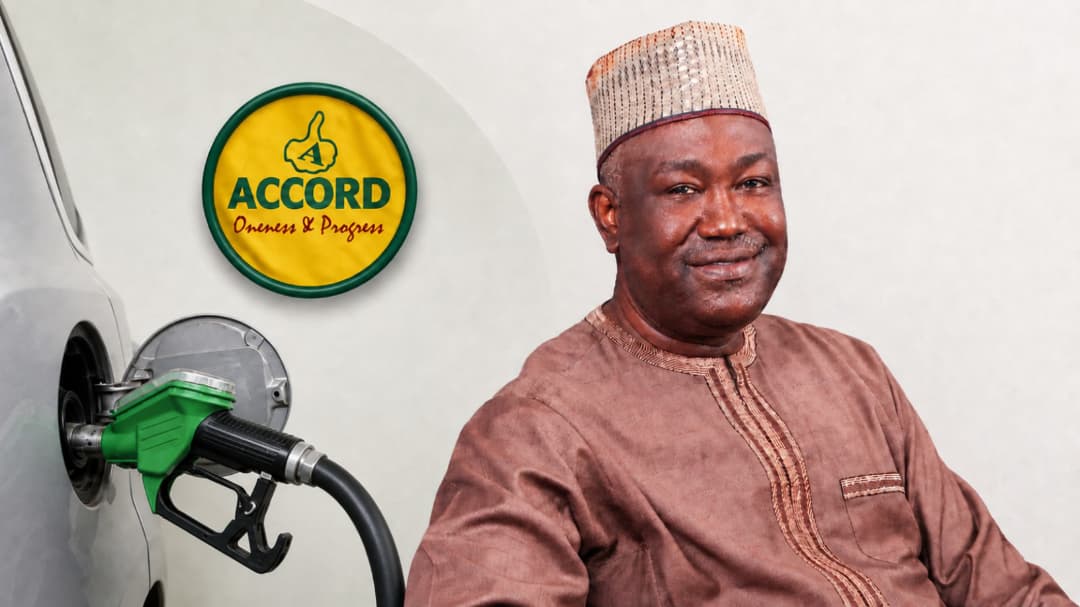
Yes, Nigeria probably has a trust problem. Years of promises, policy reversals and rising hardship have pushed us there. The average Nigerian would rather not approach every new promise with suspicion, but experience has made that difficult.
If Nigerians had to choose one of the clearest measures of economic hardship in Nigeria, the price of petrol would be difficult to overlook. Once it rises, the increase enters transport fares, food prices, generator costs and almost everything businesses spend money to produce or move.
This is the pressure Gbenga Olawepo-Hashim is addressing with his promise of ₦605 petrol. Under his proposal, that would be the starting price, with the possibility of it falling to ₦200 or ₦300.
The promise is easy to understand. The man making it, and how he intends to deliver it, may not be.
What the ₦605 Promise Assumes
His route to ₦605 includes auditing Nigeria's petroleum costs, cutting waste, refining more crude locally and strengthening the naira to between ₦525 and ₦700 to the dollar.
The proposal also questions why crude supplied to Nigerian refineries must always be valued as though it had already been sold abroad. Using part of the country's resources to provide cheaper energy at home, Olawepo-Hashim argues, should not automatically be recorded as a subsidy loss.
The exchange rate alone leaves plenty to explain because currently, the official rate is approximately ₦1,346 to the dollar, far from the range on which his proposal depends.
The plan also promises no reduction in FAAC allocations. A complete calculation showing the crude price, refining expenses, distribution costs and expected government revenue at ₦605 has not been published.
His background in oil, gas and electricity gives some context to the proposal. He also contested the 2019 presidential election under the People's Trust andreceived 2,613 votes nationwide.
His claim to Accord's 2027 ticket is disputed. Olawepo-Hashim maintains that heemerged as the sole aspirant at a May 30 primary, while Accord insists that no authorised primary took place and does not recognise him as its candidate.
TheFederal High Court reserved judgment on the disagreement in July. Until it is settled, "presidential hopeful" remains the safer description.
We Have Heard Promises Before

The difficult part of a promise like this is asking Nigerians to believe that this time will be different.
For years, we have heard that the refineries would work, fuel imports would end and changes to the subsidy system would eventually make life easier. The relief keeps coming later, while the price increases arrive immediately.
In 2015, former petroleum minister and Buhari ally Tam David-Westpredicted that petrol could fall from ₦87 to ₦40 under the incoming administration. Many of us now remember the statement as Buhari's own promise, butpetrol later rose to ₦145 in 2016 and increased further during his tenure.
Even if the details have blurred over time, our disappointment has not.
Tinubu's removal of the petrol subsidy in 2023 brought a much steeper increase. The government defended the policy as necessary for public finances, but most Nigerians first encountered it through higher fares, more expensive food and the rising cost of keeping businesses open.
This history has changed how political promises are received. People often remember the last disappointment before they consider the new proposal.

Some social-media reactions to Olawepo-Hashim's ₦605 petrol proposal.
A Price Nigerians Can Measure

Naming ₦605 gives us something more useful than a general assurance that petrol will become cheaper. It provides a figure that can be questioned before an election and measured afterwards.
What crude price is being assumed? How would the naira reach the proposed range? Who carries the cost if the naira weakens or international oil prices rise?
Every politician offering economic relief in 2027 should explain the cost, assumptions and limits of the proposal before asking Nigerians to accept it.
We have spent too long being told that present hardship will produce future stability without knowing when that future is supposed to arrive.
The workings should be as public as the promise.