Portuguese Centre-Left Candidate Secures Landslide Presidential Victory
Moderate socialist António José Seguro has won Portugal's presidential runoff election, defeating far-right rival André Ventura. His victory, backed by broad political support, comes amidst a rising influence of the far-right Chega party. Seguro is set to assume a largely ceremonial but influentially powerful role, aiming to stabilize Portugal's political landscape.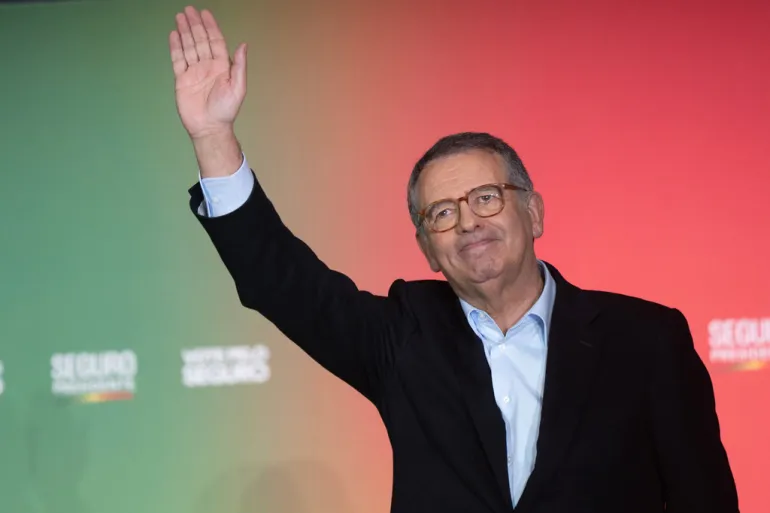
António José Seguro, a Moderate Socialist, has won a decisive victory in Portugal’s Presidential Runoff, securing a five-year term.
He defeated far-right rival André Ventura, with exit polls showing Seguro earning 64%–66% of the vote, while Ventura received 34%–36%.
The election took place amid severe weather, including Storm Leonardo, which caused floods and postponed voting in three municipal councils.
Despite this, turnout remained consistent, and the delays—affecting only about 0.3% of voters—were unlikely to affect the result.

Seguro, 63, praised the Portuguese people for their commitment to democracy.
Running as a “modern and moderate” left candidate, he emphasized cooperation with the centre-right minority government and rejected Ventura’s anti-establishment and anti-immigrant rhetoric.
His moderate stance earned him broad support, including endorsements from prominent conservatives and self-described non-socialists concerned about Ventura’s populist and authoritarian approach.
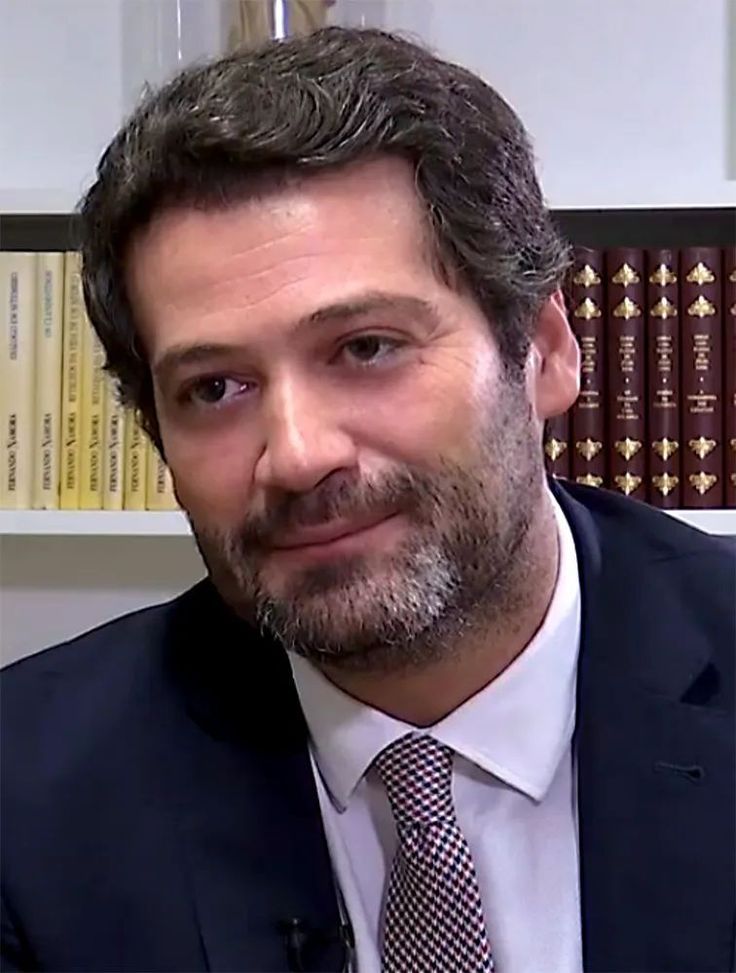
Ventura, 43, a Former TV Sports Commentator and Founder of the far-right Chega party, improved on his party’s previous election results, reflecting the growing influence of the far right in Portugal.
He campaigned aggressively on anti-immigration and nationalist themes, using provocative slogans like “This isn’t Bangladesh” and opposing welfare for immigrants.
Founded in 2019, Chega quickly became the second-largest party in parliament last year.
While largely ceremonial, the Portuguese presidency has significant powers, including vetoing legislation and dissolving parliament to call early elections.
Seguro succeeds centre-right President Marcelo Rebelo de Sousa, who completed two terms, and will face the challenge of stabilizing a politically turbulent country.
Prime Minister Luís Montenegro remained neutral in the runoff, declining to endorse either candidate.