Political Tempest: Peter Obi's Shocking Exit From ADC Sparks Fierce Reactions and Debate!

Published 2 hours ago3 minute read
Pelumi Ilesanmi
Pelumi Ilesanmi
Political Tempest: Peter Obi's Shocking Exit From ADC Sparks Fierce Reactions and Debate!

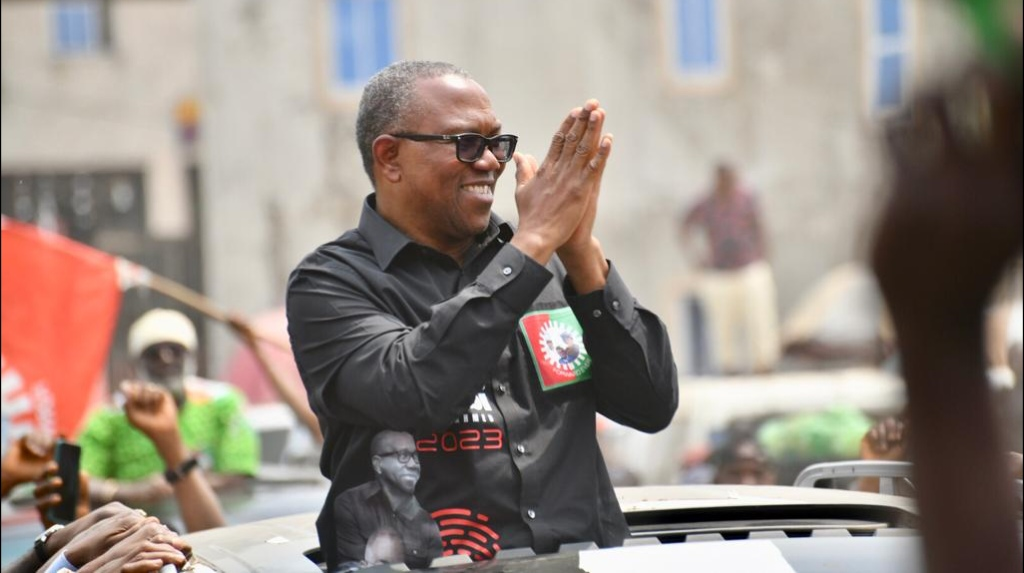
Former Labour Party (LP) presidential candidate Peter Obi has confirmed his departure from the African Democratic Congress (ADC), citing a proliferation of internal disputes, incessant court cases, and pervasive division within the party. Obi made this announcement in a statement released on Sunday, following earlier reports suggesting his imminent exit alongside former Kano State governor Rabiu Kwankwaso. He explicitly stated that his decision was not influenced by any personal disagreements with the party’s national chairman, Senator David Mark, or former vice president Alhaji Atiku Abubakar, or any other respected leaders.

Obi articulated that the very forces that previously generated crises within the Labour Party now appear to be affecting the ADC. He lamented that the party was grappling with “endless court cases, internal battles, suspicion, and division,” diverting its focus from crucial national issues and dedicated service to the populace. He conveyed a sense of disillusionment, stating that sincere efforts within political spaces are often met with blame and suspicion, making one feel like “an outsider in one’s own home.” He also noted that individuals who advocate for peace are sometimes criticized even after stepping aside from contentious situations.

Despite the prevailing political challenges, Peter Obi reaffirmed his unwavering commitment to working towards a better Nigeria. He emphasized his resolve to pursue a leadership paradigm founded on justice, compassion, and equal opportunity. The former Anambra State governor clarified that he harbors no desperation to assume the roles of president, vice president, or senate president. Instead, he expressed a profound desperation “to see a society that can console a mother whose child has been kidnapped or killed while going to school or work.” He further articulated a desire for “a Nigeria where people will not live in IDP camps but in their homes” and “a country where Nigerian citizens do not go to bed hungry,” concluding his statement with his well-known message: “A new Nigeria is possible.” Obi had notably joined the ADC in March 2026, indicating a relatively brief tenure within the party.

Public affairs analyst Babajide Balogun reacted to Obi’s exit, asserting that Nigeria does not require “political tourists drifting from platform to platform in search of the easiest path,” but rather “fighters, leaders who can stand, contend, and win on merit.” Balogun critiqued the opposition in Nigeria for needing fighters, not “escape artists,” and contended that history would not be kind to Peter Obi. He suggested that Obi’s political choices in 2023 had contributed to fracturing a potentially winnable opposition, thereby facilitating the outcome his supporters now lament, and accused Obi and his camp of igniting an internal rebellion rather than strengthening the coalition.

The Presidency also offered its perspective on Obi’s defection. Presidential spokesperson Bayo Onanuga, in a post on his verified X handle, @aonanuga1956, described Obi as a “political nomad” prone to “opportunistic shifts.” Onanuga derided Obi’s explanation for his move as “incoherent and self-serving,” labeling them “illogical musings.” He further characterized Obi as “a politician made of jelly” and “an opportunistic fellow,” implying a lack of resilience to compete within established party structures. Onanuga remarked that Obi “can’t fight Atiku or Amaechi for the ticket of ADC,” and instead “pursues the easy road, that will only lead him to doom, like in 2023.” He also criticized Obi’s tendency to shift blame without engaging in self-reflection. Similarly, Daniel Bwala, another presidential spokesperson, stated that Obi’s latest defection confirmed his earlier predictions regarding the opposition leader.

Although Peter Obi has not formally declared his next political affiliation, reports indicate that he and former Kano State governor, Senator Musa Kwankwaso, may be preparing to join the Nigeria Democratic Congress (NDC), signaling another potential political realignment ahead of the 2027 general elections.

Loading...
Loading...
Loading...

You may also like...