Spike Lee Backs ‘Michael’ Biopic as Timeline, Legal Issues Fuel Debate
Spike Lee has defended the Michael Jackson biopic "Michael" from critics concerning the omission of child sexual abuse allegations, citing the film's 1988 timeline. A legal clause with an accuser actually necessitated the story rework, yet the film has garnered significant box office success, demonstrating strong fan support.
Filmmaker Spike Lee has strongly defended the Lionsgate biopic Michaelamid criticism over its omission of child abuse allegations against Michael Jackson. Lee argued that the film’s narrative ends in 1988, years before the first allegations surfaced in 1993, making such inclusion inconsistent with its timeline.
He also maintained that critics are expecting elements that fall outside the scope of the story being told. Beyond the timeline argument, reports indicate that legal constraints also shaped the film’s direction.
A prior settlement involving Jordan Chandler reportedly included clauses preventing any portrayal or reference to the case in film projects. This restriction forced producers to rework the storyline, shifting focus toward Jackson’s personal struggles, particularly his relationship with his father.
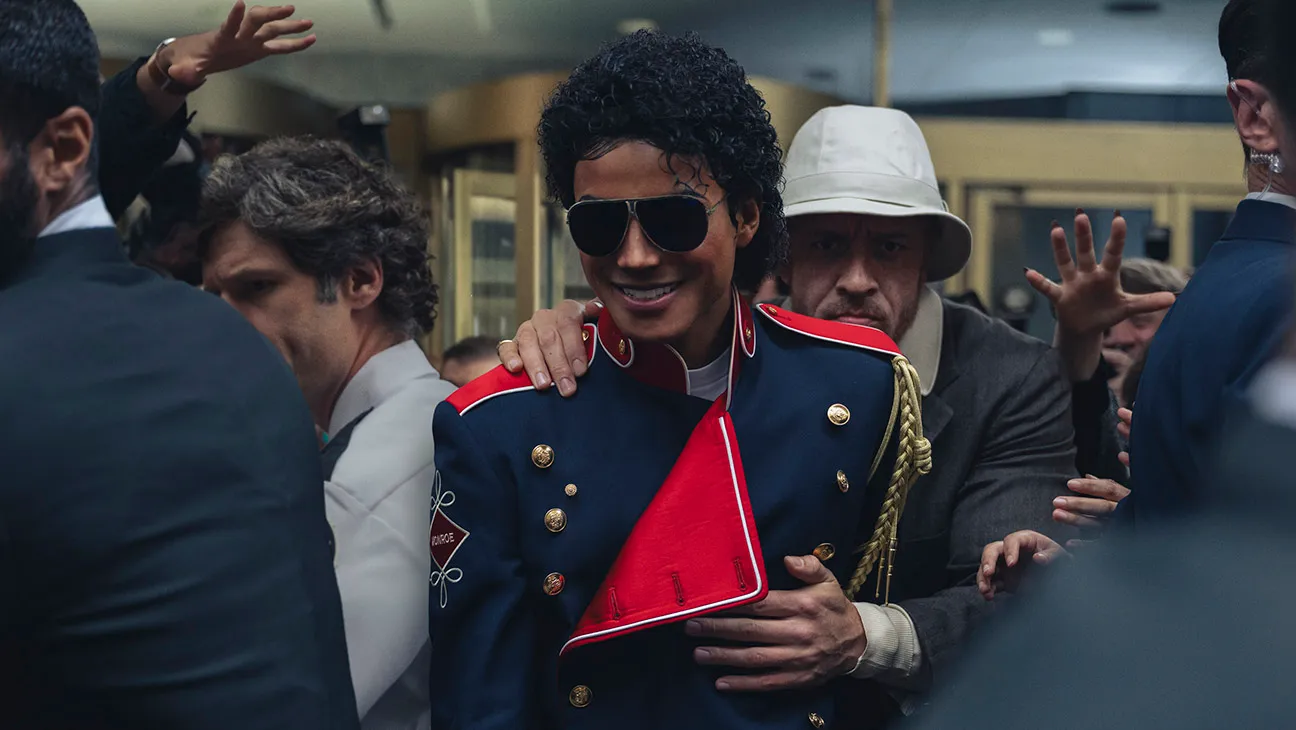
Despite the controversy, the film has performed strongly at the box office. Michael opened with significant domestic earnings and has since generated hundreds of millions globally, reflecting sustained audience interest. The reception suggests that, for many viewers, the film’s musical legacy and storytelling outweigh the debates surrounding its omissions.
Lee’s defense also reflects his longstanding connection to Jackson, having directed his 1996 music video They Don’t Care About Us and later producing documentaries on his career.
His stance adds weight to ongoing discussions about how biographical films balance artistic narrative, legal limitations, and public expectations.