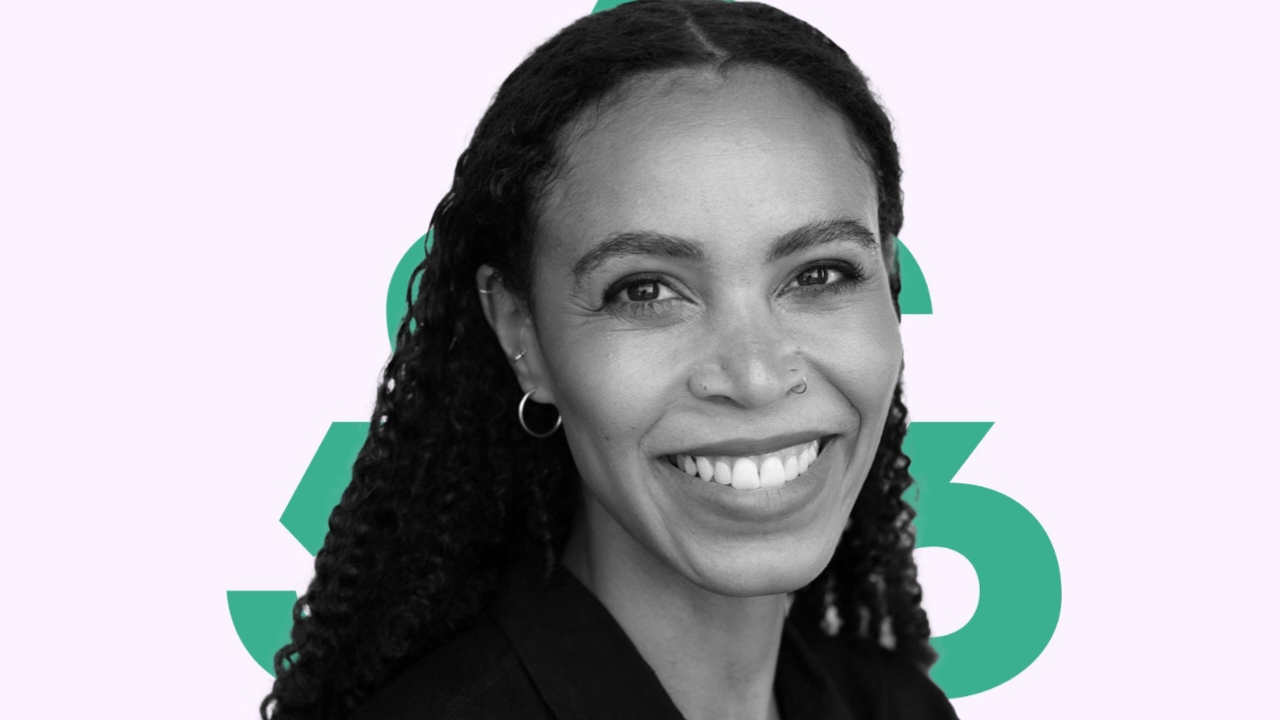
Pelonomi Moiloa: The Woman Building Artificial Intelligence With African Context
Pelonomi Moiloa is reshaping artificial intelligence by building context-aware AI tools for African languages. This read explores Africa’s growing AI industry, Moiloa’s impact through Lelapa AI, and why creating technology rooted in African realities is essential for ethical and inclusive innovation.
The Industrial growth of Artificial intelligence is growing at a scale that cannot be matched as big tech giant companies and AI industries are increasingly on the go to become one of the big names on the global chart and gain lasting relevance.
In this context of sporadic growth of the AI market and industry, Africa is often spoken about as a market to be served, a population to be onboarded, or a problem space to be solved.
Rarely is it positioned as a place where intelligence itself is being designed, questioned, and rebuilt from first principles. Across the continent, a quiet but consequential shift is underway but it needs to be louder and more intentional than it is currently.
African technologists should no longer wait for imported tools and solutions to be localized and fitted into the African continent.
It is long overdue that the continent starts building systems that begin with African realities as the default interest.
And the center of building systems with African reality in mind, stands Pelonomi Moiloa, an engineer, AI ethicist, and founder whose work insists that intelligence without context is incomplete.
The AI Industry and Africa’s Growing Footprint in a Global Race
Artificial intelligence has become one of the defining technologies of the 21st century. From large language models to automated decision systems, AI increasingly mediates how people work, communicate, access information, and even receive healthcare or financial services.
Globally, the industry has been dominated by a handful of regions, Silicon Valley, parts of Europe, and East Asia, where capital, compute power, and data converge at scale.
For a long time, Africa’s role in this ecosystem has always been peripheral. The continent was largely framed as a consumer of AI-powered products rather than a producer of intelligence systems.
This imbalance in the industry and the world at large created a deeper problem: technologies trained on data, languages, and cultural assumptions far removed from African realities and context were being deployed into African contexts with little consideration for relevance, bias, or long-term consequences.
However, the narrative can be changed and I daresay is changing with growing awareness, interest and growth of the Africa AI ecosystem. Africa’s AI ecosystem is growing, no doubt, driven by startups, research labs, and communities that understand that intelligence is not neutral.

Language, culture, history, environment and power shape how technology behaves and how it responds. As mobile penetration increases and digital economies expand, African developers, observers and shareholders are beginning to ask hard questions that have long been ignored: Who is AI built for? Whose knowledge is encoded? Who benefits when intelligence scales?
One of the most critical gaps has been language. Africa is home to over 2,000 languages, many of which are considered “low-resource” in machine learning terms.
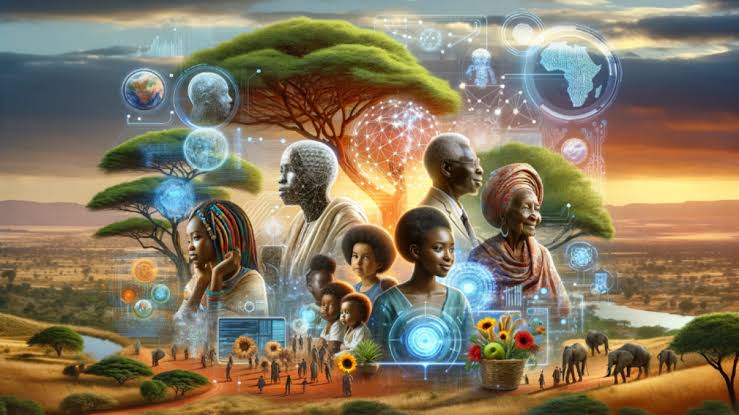
This means they are underrepresented in datasets, poorly supported by mainstream AI systems, or excluded entirely. When language models fail to understand local speech, idioms, or social nuance, the result is not just inconvenience, it is outright exclusion.
It is within this context that African-led AI initiatives should not just become innovative, but necessary ones that need to be scaled for success.
This would help push back against the assumption that intelligence must be imported, centralized, massive, and extractive. And this would usher a new era for Africa's AI ecosystem proposing something more grounded: AI that understands African languages and realities, learns to listen before it speaks, and learns where it is actually built.
Pelonomi Moiloa and the Case for Contextual Intelligence
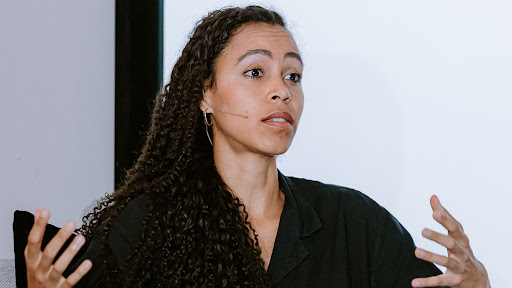
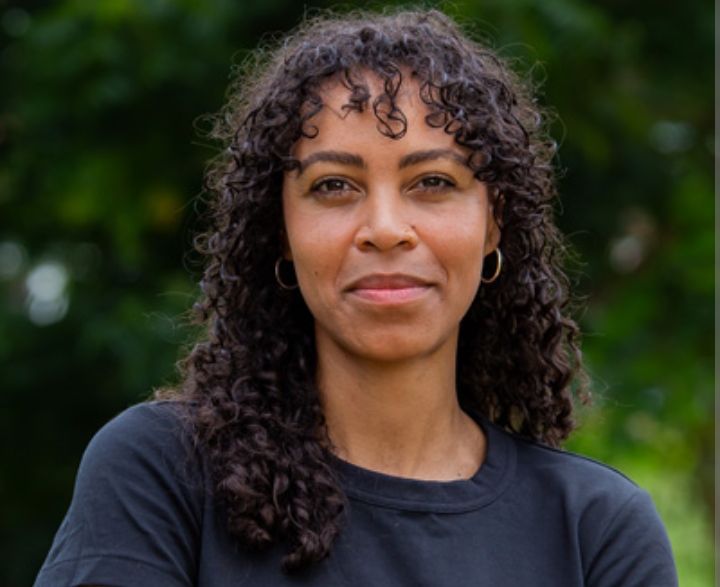
Pelonomi Moiloa, a South African, is the CEO and co-founder of Lelapa AI, a South African startup building artificial intelligence tools tailored specifically for African languages and contexts.
With her background in biomedical and electrical engineering and nearly a decade of experience deploying machine learning solutions in industries like finance, Moiloa brings both technical depth and social clarity to her work.
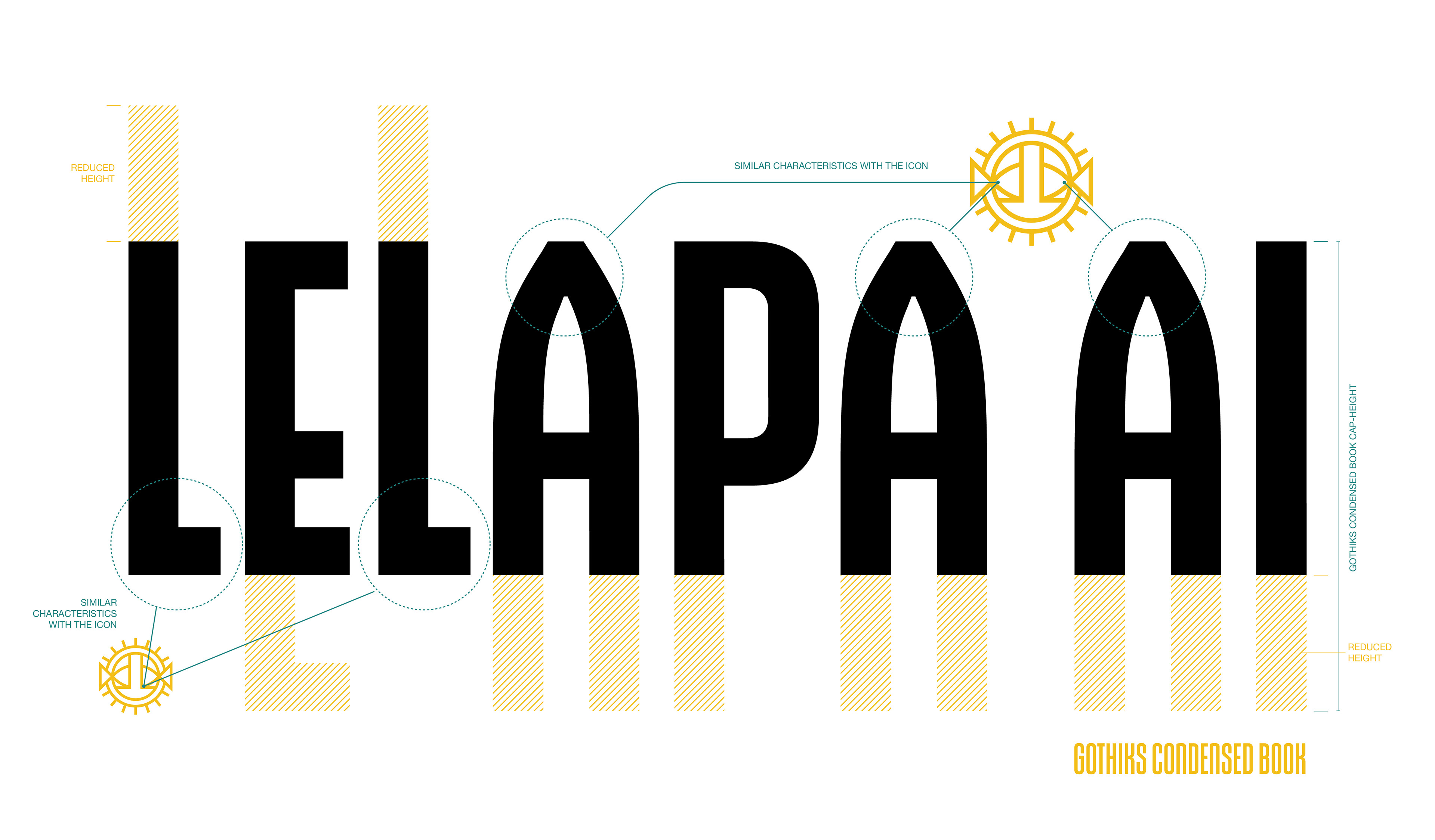
Lelapa AI is not attempting to replicate Silicon Valley models on African soil. Its mission is more deliberate and that is to build smaller, more efficient language models that reflect African linguistic diversity, cultural nuance, and social realities.
This approach challenges the prevailing assumption that bigger models are always better. For Moiloa, scale without context is not progress.
Her work has earned global recognition. She has been named to TIME’s 100 Most Influential People in AI. She is a TED speaker, a Bloomberg Catalyst, and was listed among Mail & Guardian’s Top 200 Young South Africans. Yet, her influence extends beyond all accolades and admiration online. It lies in how she reframes the purpose of artificial intelligence itself.
Moiloa is a vocal advocate for what she describes as “decolonizing AI.” This does not mean rejecting global innovation, but rather questioning whose values are embedded in technological systems.
Through Lelapa AI and her community-focused initiative, The Ungovernable NPC, she emphasizes technology that is participatory, ethical, and rooted in African philosophies such as Ubuntu, the idea that “I am because you are.”
In an interview, Moiloa explained why developing countries must have their own language models. AI systems built elsewhere often lack understanding of local context and can reinforce harmful or entirely different perspectives.
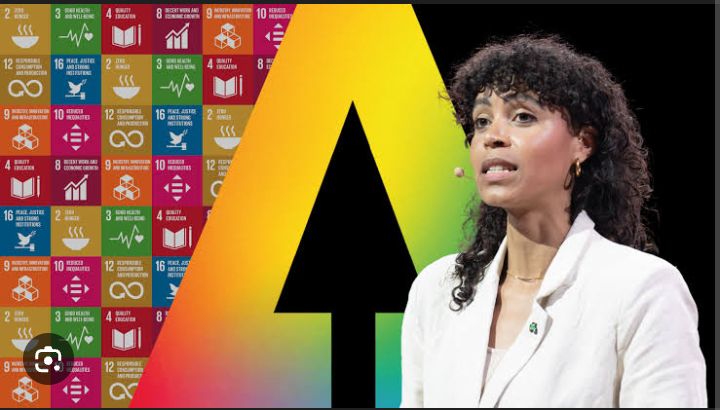
Language, she argues, is a cultural heirloom. If value is extracted from it, the people to whom that language belongs should benefit.
One of the common arguments against African language AI is data scarcity. Moiloa challenges this narrative. The issue, she says, is not only lack of data, but inefficiency in how machine learning systems are designed. Current approaches are wasteful, requiring enormous datasets and compute power.
Lelapa AI focuses on teaching machines to learn more intelligently from less, opening doors for inclusion without environmental or economic excess.
Resource efficiency is central to her philosophy. At a time when AI development is increasingly energy-intensive, Moiloa warns against models that drive unsustainable extraction.
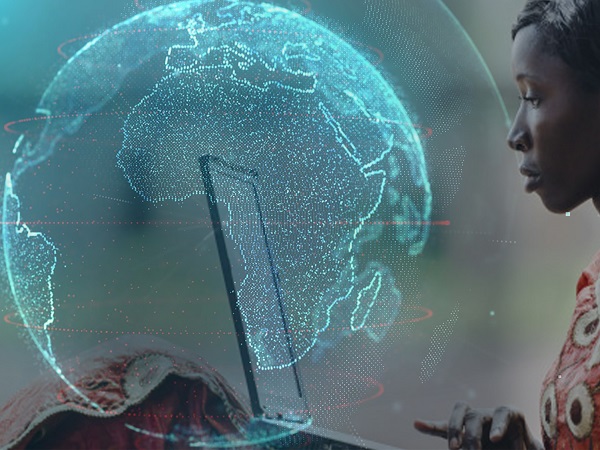
By building leaner systems, access is democratized, not just for users, but for developers who cannot afford the high costs of large-scale AI experimentation.
Her critique of mainstream tools like ChatGPT is not dismissive, but instructive. She has called for partnerships with local institutions to expand AI offerings into local contexts, rather than assuming universality. Intelligence, in her view, must be collaborative and there is no doubt about that.
Building for African Realities, Not Imported Assumptions
Pelonomi Moiloa’s work forces us all to have a broader reflection on how technology is imagined on the continent.
You and I know that Africa does not lack innovation or capable minds in the AI ecosystem. What it has often lacked over the years is ownership over the narratives and infrastructures that define the continent's progress.
Importing foreign solutions for local problems may be convenient, but it is rarely sufficient.
AI systems trained elsewhere will always carry the assumptions and perspectives of their origin. When deployed uncritically, they risk flattening cultural complexity, reinforcing inequality, or misrepresenting entire communities.
Moiloa’s insistence on context is a reminder that intelligence is not just computational; it is social and it needs to be addressed.
The future of AI in Africa will not be decided solely by who has the most data or capital, but by who understands the terrain they are building for. Lelapa AI’s work shows that it is possible to design technology that is both globally relevant and locally grounded.
Pelonomi Moiloa represents a generation of African builders who are not content with adaptation alone. They are shaping intelligence from within, insisting that African languages, values, and realities are not edge cases, but foundations for development.
In doing so, they are not just building tools. They are redefining what it means for technology to belong.
In a world racing toward artificial intelligence at scale, Moiloa’s work offers a quieter, more enduring lesson that we all need to learn: progress without context is fragile, but intelligence built with care can last.