Ozempic Effect: Weight Loss Drugs Reshape Global Retail and Food Industries
The rise of GLP-1 weight-loss drugs is profoundly reshaping the food industry, with bakeries experiencing significant sales declines as consumers curb cravings for sweets and large portions. Businesses are rapidly adapting by introducing smaller, more decadent treats and high-protein options to meet evolving customer demands. This shift is projected to cut U.S. food and beverage sales by billions, marking a crucial turning point for the sector.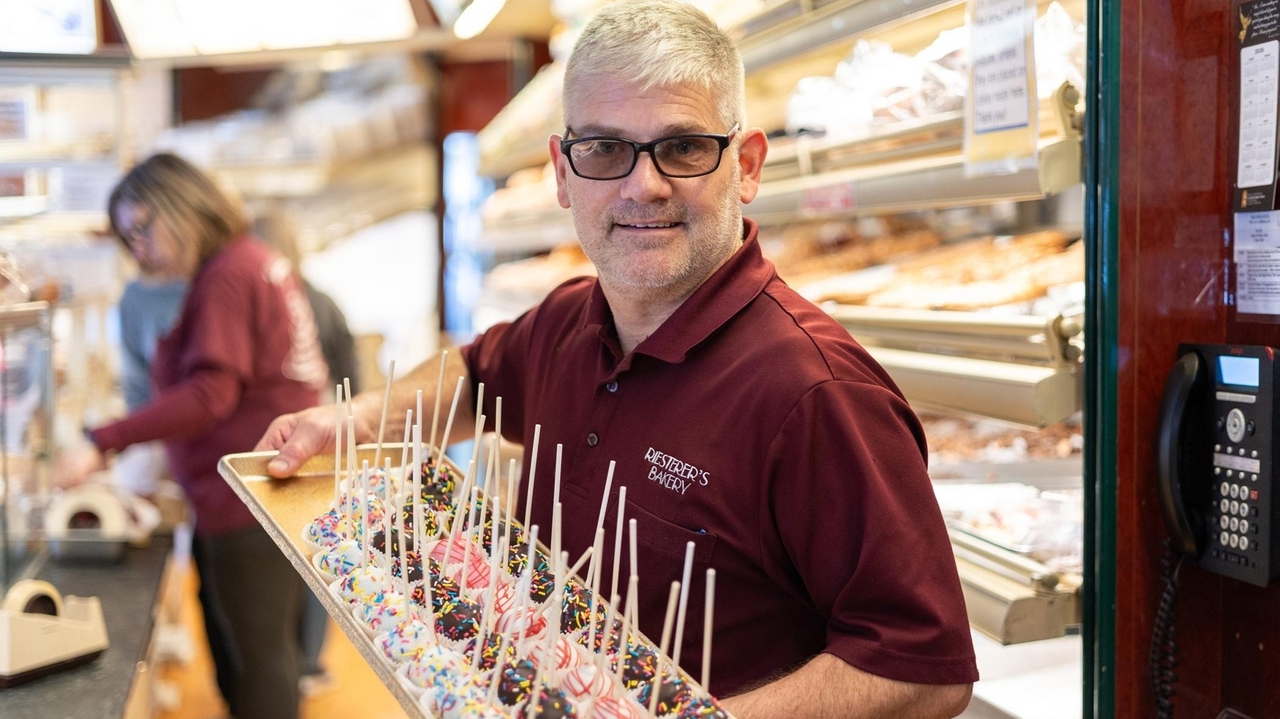
The food industry, particularly bakeries, is experiencing a significant shift in consumer habits, largely attributed to the increasing use of GLP-1 weight-loss drugs. Daniele Messina, co-owner of Dortoni Bakery Co. on Long Island, observed a dramatic decline in sales for large orders and even breakfast items about a year and a half ago. Customers who once ordered substantial cakes and loaves of bread for special events were ordering much less, and even morning regulars were opting for just a black coffee instead of a coffee and a muffin.
GLP-1 drugs, sold under brand names like Ozempic, Wegovy, and Zepbound, were initially developed to treat diabetes but have become popular tools for weight loss. These medications work by reducing food cravings, slowing digestion, and leading to a quicker and longer feeling of fullness after eating. Dr. Silvana Obici, chief of Stony Brook Medicine's Division of Endocrinology, explains that GLP-1s also affect the brain's reward pathways, decreasing the sensation of pleasure derived from sweet and salty foods, thereby encouraging healthier food choices. However, rapid weight loss can lead to muscle mass loss, prompting doctors to recommend increased protein intake and strength training for users.
This shift in consumer behavior is projected to have a substantial financial impact on the U.S. food and beverage industry, with a Bloomberg Intelligence report estimating a $21 billion cut in sales by 2035. The steepest declines, projected at 4% to 6%, are expected in snacks, baked goods, and sweets. A Cornell University study published in December further supports this, indicating that within six months of starting a GLP-1 medication, household spending on savory snacks, sweets, and baked goods fell by approximately 10%.
In response to these market changes, bakeries and restaurants nationwide are modifying their menus and strategies to remain financially viable. On Long Island, several bakeries are pivoting their offerings. Dortoni Bakery, for instance, is producing smaller, more decadent desserts. Messina noted that customers on weight-loss drugs are more inclined to purchase smaller, fancier portions as an occasional indulgence, remarking, "People feel more comfortable to have a little bit fancy, smaller portion. It's ... decorated prettier." This adaptation has become crucial for Dortoni, which had to cut employees' work hours due to a sales dip in 2025.
Manhattan Sweets Boutique Bakery in Islip also experienced flat cake sales in 2026 after three years of consistent annual growth. In response, the bakery began making more smaller-portioned pastries and candies, with its one-serving 3-inch cake becoming so popular that a dedicated area now minimizes full cakes. Travis Simon, a second-generation owner, attributes the shop's continued strong overall sales to its ability to "adapt to the climate." Similarly, Riesterer’s Bakery in West Hempstead saw a 5% to 10% fall in sales about a year ago. Third-generation owner Karl Riesterer noted that some long-time customers, noticeably slimmer, confirmed they were taking weight-loss drugs. The bakery responded by ramping up production of bite-size treats, leading to flat overall sales as customers buying smaller items now visit more frequently. Riesterer, whose 95-year-old bakery has weathered many trends, believes in "everything in moderation" as a guiding motto.
Sydney’s Sweets in West Hempstead faced even steeper challenges, with sales falling at least 25% in 2025 compared to 2024, and revenue down 50% in some summer months, leading to the layoff of a quarter of its staff. Co-owner Jermaine Perry explained that the bakery, which previously offered a minimum 10-inch cake for $100, introduced a smaller, less elaborate 6-inch cake for $75. Perry emphasized the need to meet consumers where they are, stating, “People still want to enjoy themselves. They just want to make sure they’re making smart decisions that don’t put them in a tough financial position.” Bernadette Gilmore, a customer at Riesterer's Bakery, reinforced this, stating that bakeries must offer healthier options to remain competitive and relevant for family celebrations, acknowledging the importance of health.
The impact extends beyond bakeries to the broader restaurant sector. Starbucks introduced Protein Lattes and Protein Cold Foams. Shake Shack launched its Good Fit Menu, featuring high-protein, gluten-free, vegetarian, and GLP-1 friendly options like lettuce wraps. Chipotle Mexican Grill's High Protein Menu was specifically designed "with the rise of GLP-1s and a broader focus on macronutrients." Olive Garden added a Lighter Portions section to its menu, though its parent company, Darden Restaurants, attributed this move primarily to affordability concerns, noting that GLP-1 use was impacting drinking more than eating at their establishments.
Despite these adaptations, bakeries may face greater challenges than restaurants due to their narrower appeal and less diverse menus, according to David Henkes, senior principal at Technomic, a restaurant industry research firm. Restaurants serve multiple purposes, including social interaction and entertainment, beyond just indulging in sweets. Furthermore, experts acknowledge that economic concerns, leading customers to cut back on spending on eating out in general, also contribute to the decline in baked goods sales.
The increasing adoption of GLP-1 drugs for weight loss is evident in recent statistics. Gallup surveys show that adult GLP-1 use for weight loss more than doubled from 5.8% in the first quarter of 2024 to 12.4% in the second and third quarters of 2025. Concurrently, the nation’s adult obesity rate fell to 37% in 2025 from a record high of 39.9% in 2022, representing an estimated 7.6 million fewer obese adults. This data underscores the profound impact these medications are having on public health and, consequently, on consumer purchasing patterns, compelling the food industry to innovate and adapt to a changing market landscape.