Nigerian Doctors Are Using ChatGPT. Who Takes the Blame When It Gets Things Wrong?
Nigerian doctors are using ChatGPT for consultations, but with limited AI training and no specific liability law, who takes responsibility when it gets a diagnosis wrong?

A Lagos study of 415 health workers across 14 public facilities found that 86.5% had used AI, yet only 19.8% had any formal AI training.
Among doctors and dentists, 60.5% used AI in their professional duties, and 81.7% of all respondents reported frequent use of AI-assisted diagnosis.
Only 25.1% said their facility used AI at all, which the authors describe as a shadow IT culture of self-initiated use.
At a pre-summit media chat, AHFID founder, Kunle Kakanfo, said a recent study found over 70% of Nigerian doctors use ChatGPT for consultations. A 2026 American Medical Association survey put US physician use of AI in clinical practice at 72%, up from 48% a year earlier.
Whatever the exact figure is, it is clear that AI is already in Nigerian consulting rooms, and the rules that should govern it have not arrived.
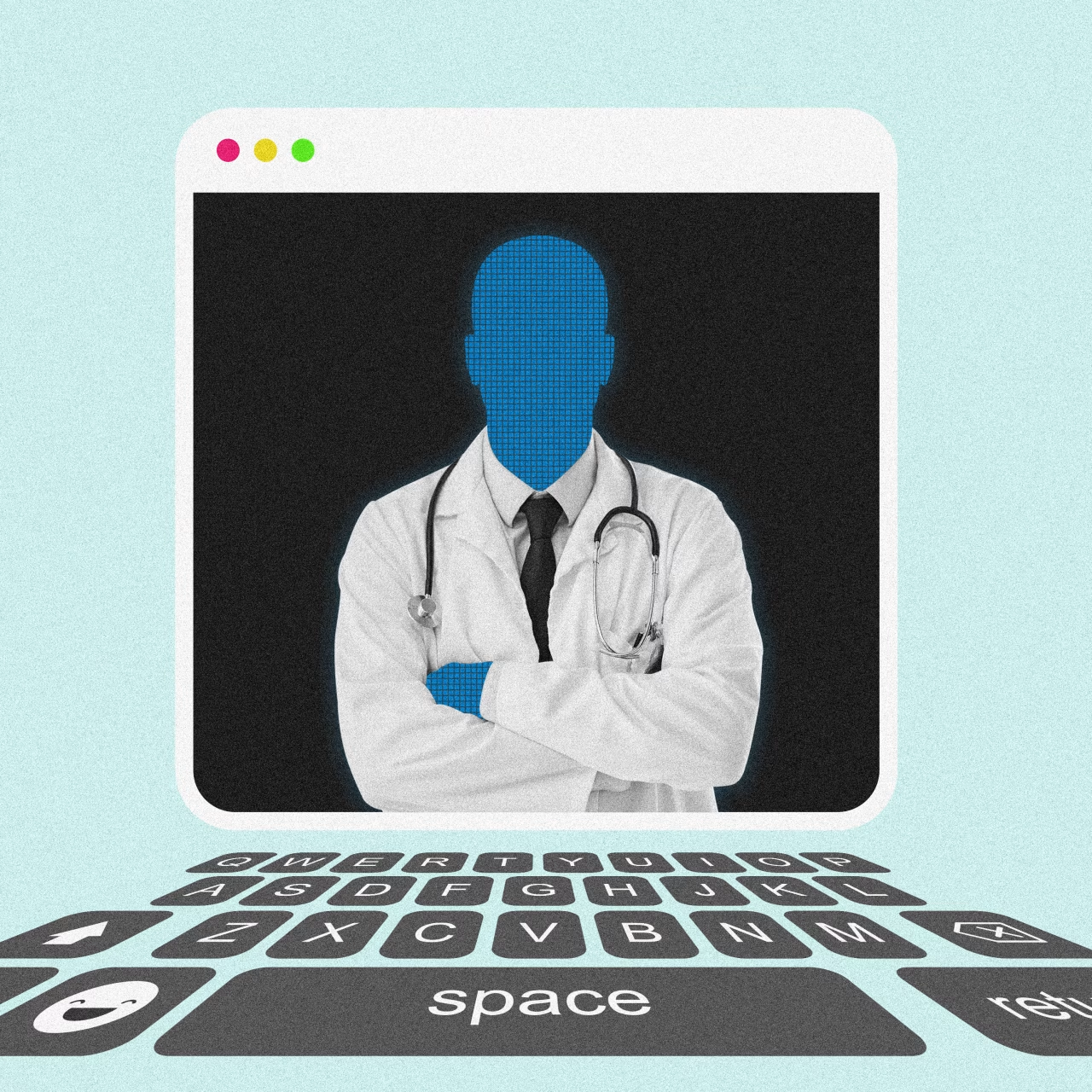
Is It Right for Doctors to Use ChatGPT for Consultations?
AI is a tool and it can be used by healthcare practitioners, but with limits. Using a chatbot to check a drug interaction, draft a patient leaflet or summarise a long case note is what doctors have always done with textbooks and colleagues.
The trouble begins when the tool replaces judgment. General chatbots are not trained on Nigerian disease patterns or local drug brands, and they err with total confidence.
Lagos health workers themselves named privacy concerns (51.8%) and distrust of AI algorithms (34.0%) as barriers. AI can inform a decision, but the doctor must own it.
Who Is Liable When AI Gets a Diagnosis Wrong in Nigeria?
There is no specific Nigerian law that holds any party accountable in the case of an AI-assisted wrong diagnosis.
The Medical and Dental Council of Nigeria holds doctors responsible for professional conduct, so a doctor who acts on a bad chatbot suggestion would most likely carry the blame. Hospitals could share it if they allowed the tool without policy.
The software company, based abroad and usually protected by its terms of use, is almost beyond a patient’s reach. Liability rules should settle the doctor’s duty to verify, the hospital’s duty to set policy and the developer’s duty to disclose limits.

What AI Regulation Exists for Healthcare in Nigeria Today?
The National AI Strategy was published in September 2025. But that is a strategy, not a law.
The Digital Health Services Bill, which would create a legal framework for AI diagnostic tools, and a bill to establish a National AI Regulatory Authority are still before the National Assembly. The Digital Health Services Bill also ties data breaches to the Nigeria Data Protection Act 2023.
A 2026 legal analysis finds NAFDAC has no framework built for AI-powered medical devices, with no mandatory accuracy validation before deployment.

How Do Other Countries Regulate AI in Healthcare?
In the United States, the FDA regulates AI-enabled software as a medical device and has authorised more than 1,600 AI-enabled devices.
Its thoughts on generative AI devices is still at the discussion stage. Some states go further — Texas now requires patients to be told when AI is used in their care.
In the United Kingdom, NHS England chose structured adoption. Its guidance on AI note-taking tools sets out expectations on clinical safety, data protection and staff training. A national registry lists 19 suppliers who have self-certified compliance.
Generative AI that summarises consultations is likely to count as a medical device that must be registered with the regulator.
There is an African comparison in Kenya. Penda Health tested an AI safety net built into its clinic records across 15 clinics and 39,849 patient visits. Clinicians using it made 16% fewer diagnostic errors and 13% fewer treatment errors.
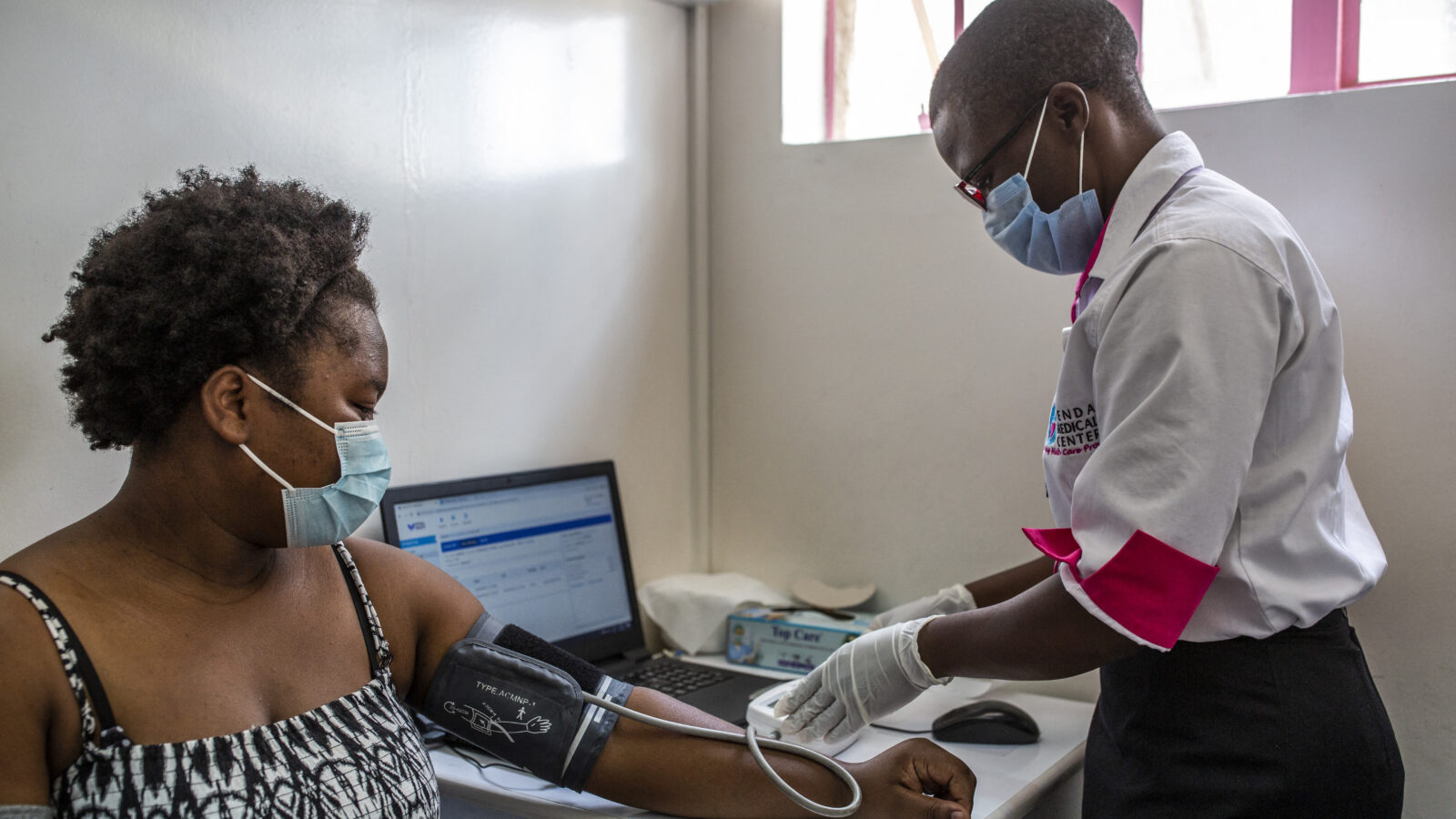
The study had ethics and health ministry approval, and clinicians were trained to use the tool. AI helped because it was designed around local guidelines, supervised and measured.
Nigeria’s doctors and nurses are already using AI, but without the approvals, registries and disclosure rules that surround it in the US and UK.
Kenya shows that African clinics can gain real benefits, but only when AI is built around local guidelines and tested before scale. Nigeria’s enthusiasm is running ahead of its safeguards.
What Guardrails Should Nigeria Put in Place for AI in Healthcare?
Seven steps would be a practical start.
The Federal Ministry of Health and the medical council should publish a list of AI tools cleared for clinical support, so doctors are not left to pick whatever chatbot is closest.
There should be no identifiable patient data entered into public chatbots, with the Data Protection Commission enforcing this. The law should also state that AI output is advice and the doctor remains responsible for every decision.
Patients should be told when AI shaped their diagnosis or treatment, and be allowed to object. Tools should be tested on Nigerian data, checked for bias and monitored after deployment.
Locally trained models matter because most AI tools are built abroad on data that may not represent African patients.
Finally, AI literacy belongs in medical school curricula and continuing professional development, and hospitals should report AI-related errors the way adverse drug reactions are reported.
The Lagos authors make the same call for targeted training, clearer data protection policies and regulatory standards on privacy, algorithmic transparency and clinical accountability.

The Future of AI in Nigerian Healthcare
Nigeria has too few doctors for too many patients, and AI can ease that pressure. Banning it outright is unrealistic because it is already in the consulting room.
The better move is to bring the practice into the open with rules that put patients first.
If done properly, AI can help a stretched system catch mistakes, as Kenya’s trial has shown. The answer needed now is a written law to regulate its use before a serious clinical error and not after a patient pays the price.