Nigeria's Digital Future: Government Greenlights Massive Telecom Tower Expansion
Nigeria approves the deployment of 4,000 new telecom towers to expand 4G and 5G coverage, enhance broadband access, and bridge the digital divide nationwide.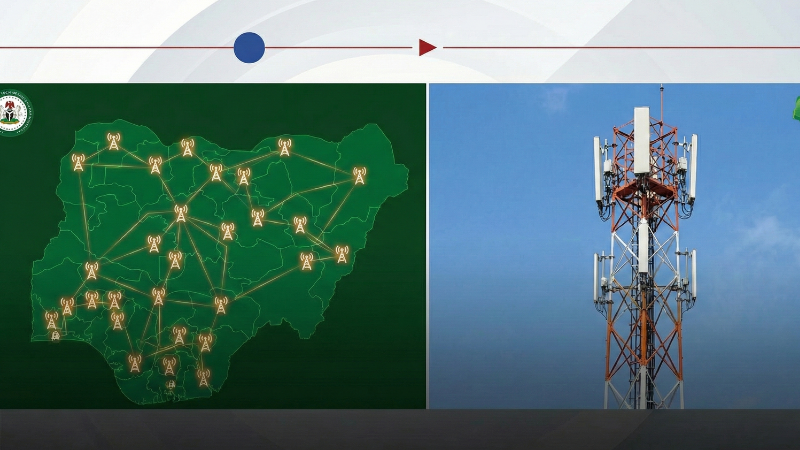
The Federal Executive Council (FEC) in Nigeria has given its approval for the extensive nationwide deployment of 4,000 new telecom towers. This landmark decision is poised to significantly expand digital access and reinforce Nigeria’s crucial broadband backbone, marking one of the most substantial recent infrastructure initiatives designed to bridge the persistent digital divide and foster economic growth through enhanced connectivity. The announcement followed a council meeting led by President Bola Tinubu. Mohammed Idris, the Minister of Information and National Orientation, informed State House correspondents that this approval stemmed from a joint memo submitted by the Ministries of Digital Communications and Finance.
Minister Idris elaborated that the comprehensive approval also encompasses the establishment of service centres dedicated to agricultural mechanisation and the creation of digital-economy hubs across the country. He clarified that the 4,000 new towers would be strategically rolled out across all of Nigeria's geopolitical zones, with a specific emphasis and priority given to communities that continue to experience weak or entirely non-existent mobile network coverage. This targeted approach aims to ensure that connectivity reaches even the most remote and underserved populations.
The ambitious project is expected to yield multiple benefits, including a substantial boost in broadband penetration across Nigeria, a reduction in prevalent network congestion issues, and robust support for various digital services critical to sectors such as finance, education, and agriculture. Furthermore, this initiative is in perfect alignment with Nigeria’s long-standing national plans to deepen the deployment of 4G and 5G technologies, concurrently preparing the country's infrastructure for future technological upgrades and advancements in the telecommunications landscape.
Mohammed Idris detailed that this expansive network growth will be executed through a robust framework of public–private partnerships (PPP). This collaborative model will involve major telecom operators and licensed infrastructure companies who will take on the primary responsibility for the construction and ongoing maintenance of these new towers. In parallel, the government will play a pivotal role by providing essential regulatory support and offering strategic incentives, all designed to significantly accelerate the rollout timelines and ensure efficient project completion.
The plan is meticulously crafted to forge a more resilient and robust network layer capable of adequately supporting Nigeria’s rapidly expanding digital economy and accommodating the ever-increasing demand for high-capacity services. This expanded infrastructure is anticipated to markedly improve productivity for small businesses, stimulate the growth of emerging tech start-ups, and unlock novel opportunities within previously underserved regions. With a stronger and more widespread network coverage, a greater number of Nigerians will gain the ability to access vital online platforms for commerce, essential health services, and active public engagement, thereby integrating more citizens into the digital ecosystem.
Improved connectivity is widely regarded as a powerful catalyst for job creation and investment, particularly in rural communities where digital access has historically lagged. While Nigeria has certainly achieved commendable progress in broadband expansion over the last decade, a significant challenge persists: approximately 23 million Nigerians still reside in communities without adequate mobile or data services, a figure highlighted by Minister Idris. Industry data further corroborates this, showing high mobile phone penetration but also many underserved areas due to critical infrastructure gaps, persistent power constraints, and the prohibitive cost of constructing towers in remote locations. This project is specifically engineered to address these bottlenecks head-on, aiming to establish a more equitable distribution of infrastructure across the entire nation.
The initiative also arrives at a crucial juncture when telecom operators face escalating pressure to enhance service quality, as users frequently report issues such as slow speeds, dropped calls, and network outages. By substantially increasing the number of available sites for operators to mount their equipment, the government expresses hope that it will alleviate pressure on existing towers, thereby empowering providers to deliver consistently better performance. The government frames this extensive tower rollout as an integral component of a much broader digital inclusion strategy. Beyond the physical infrastructure buildout, regulators are actively working to streamline fibre-optic deployment processes, reduce the cost associated with right-of-way permits, and vigorously encourage further investment in last-mile connectivity. The ultimate goal is to ensure seamless integration of the new towers with Nigeria’s existing transmission networks, leading to stable and comprehensive coverage nationwide.
Telecom sector stakeholders have enthusiastically welcomed the FEC’s approval, describing the project as a timely and essential intervention. They emphasize that a stronger infrastructure foundation will be instrumental in supporting emerging technologies, ranging from cloud computing to digital payments, while simultaneously enabling the public sector to deploy e-government services with greater effectiveness and reach. As Nigeria continues its efforts to bolster its digital competitiveness on the global stage, the successful execution of large-scale infrastructure programmes like this one will be closely monitored by both industry players and consumers. The government anticipates that the first phase of the rollout will commence shortly, with detailed project timelines to be released following comprehensive consultations with industry partners, reiterating its unwavering commitment to ensuring digital access becomes universal, reliable, and affordable for all Nigerians.