Nigeria Denies Paying Ransom Amid Mass School Abduction Crisis
The Nigerian government has vehemently denied paying a substantial ransom to Boko Haram for the release of over 200 abductees from St Mary's School, dismissing a media report as "false and baseless." This comes amidst ongoing security challenges, including a widespread "kidnap for ransom" industry, and heightened US diplomatic scrutiny over religious persecution in the country.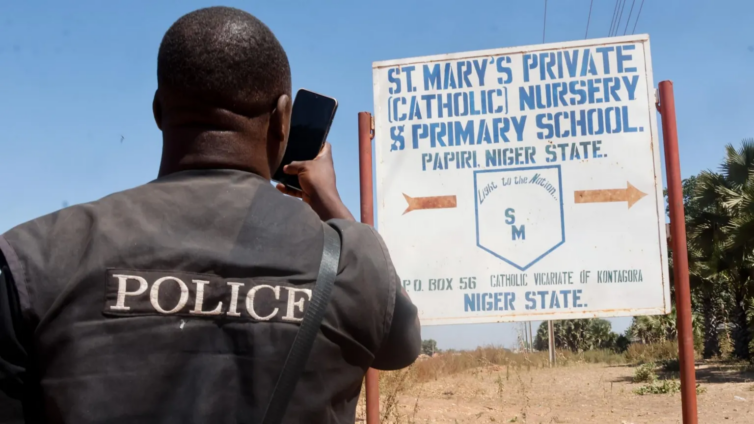
The Nigerian government has firmly denied reports that it paid a large ransom to Boko Haram for the release of more than 200 abducted pupils and staff from St Mary’s School in Papiri, Niger State.
The report, published by AFP, alleged that about 40 million naira was paid per captive, with total payments possibly reaching 2 billion naira.
It further claimed the money was transported by air to Boko Haram’s enclave in Gwoza, Borno State.
Information Minister Mohammed Idris dismissed the claims as “completely false and baseless,” calling them fiction and a disservice to Nigeria’s security forces.
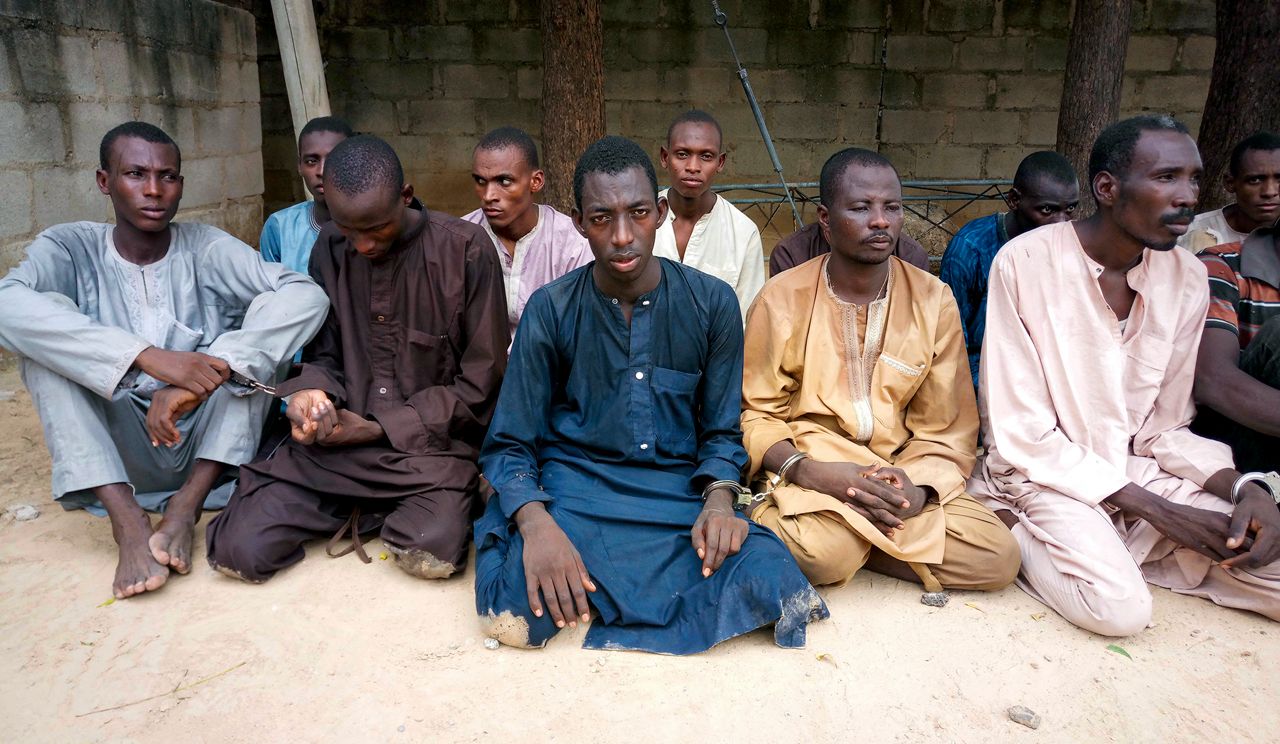
He also denied allegations that two Boko Haram commanders were released as part of any agreement.
According to him, the rescue operation was carried out through professional intelligence and operational precision, without any ransom payment.
The abduction occurred on November 21 at St Mary’s School in Papiri.
All pupils and staff were rescued shortly before Christmas. Analysts cited in the AFP report linked the attack to a Boko Haram commander known as “Sadiku.”
While Boko Haram remains primarily active in Borno State, kidnappings for ransom have expanded across Nigeria’s north-west and north-central regions, involving militants, bandits, and other criminal groups.
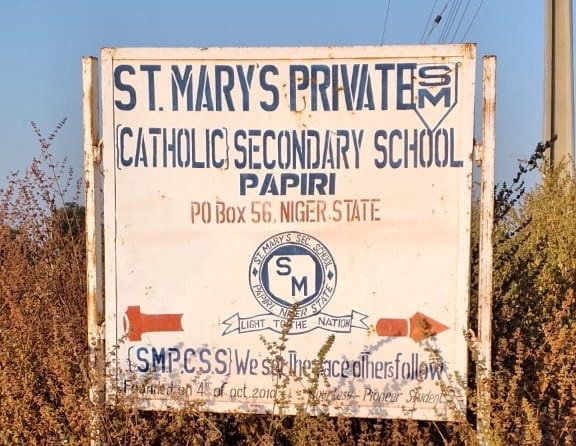
Nigeria continues to struggle with widespread kidnap-for-ransom operations, despite a 2022 law criminalizing ransom payments. Enforcement remains difficult, and families often negotiate privately for the release of loved ones.
Security analysts note that official denials do not always capture the full complexity of negotiations in such cases.
In a separate development, Presidential Spokesperson Bayo Onanuga announced the resignation of former Police Chief Kayode Egbetokun, citing “pressing family considerations.”
His deputy, Tunji Disu, has been appointed acting Inspector-General of Police amid growing national security concerns.
The controversy comes at a sensitive time diplomatically, as U.S. lawmakers have increased scrutiny over religious violence in Nigeria.
A recent congressional delegation report recommended stronger security cooperation and reforms, following allegations of persecution of Christians — claims the Nigerian government has repeatedly rejected, maintaining that violence affects citizens across religious lines.