US Troops and Aircraft Land in Nigeria: Regional Speculation on Counter-Terrorism Surge
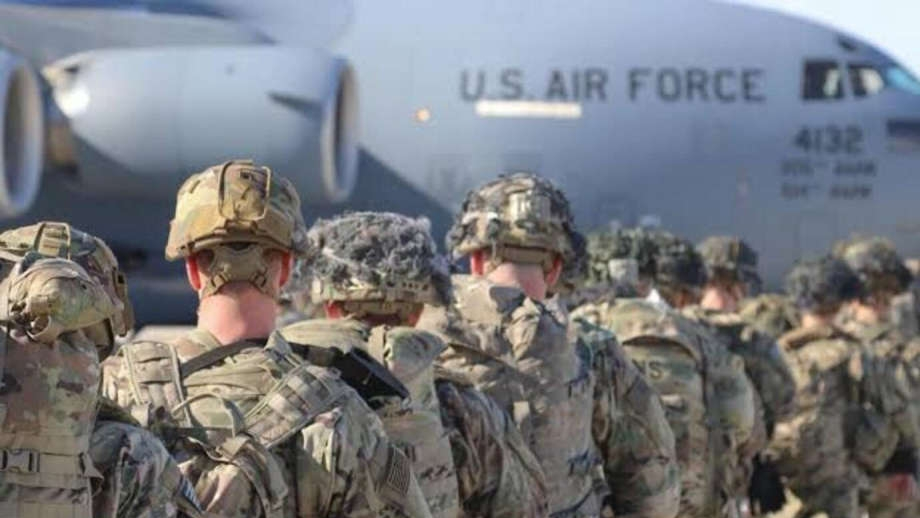
US military aircraft and 100–200 troops arrive in north-east Nigeria to assist in counter-terrorism efforts, sparking speculation about expanded US-Nigeria cooperation.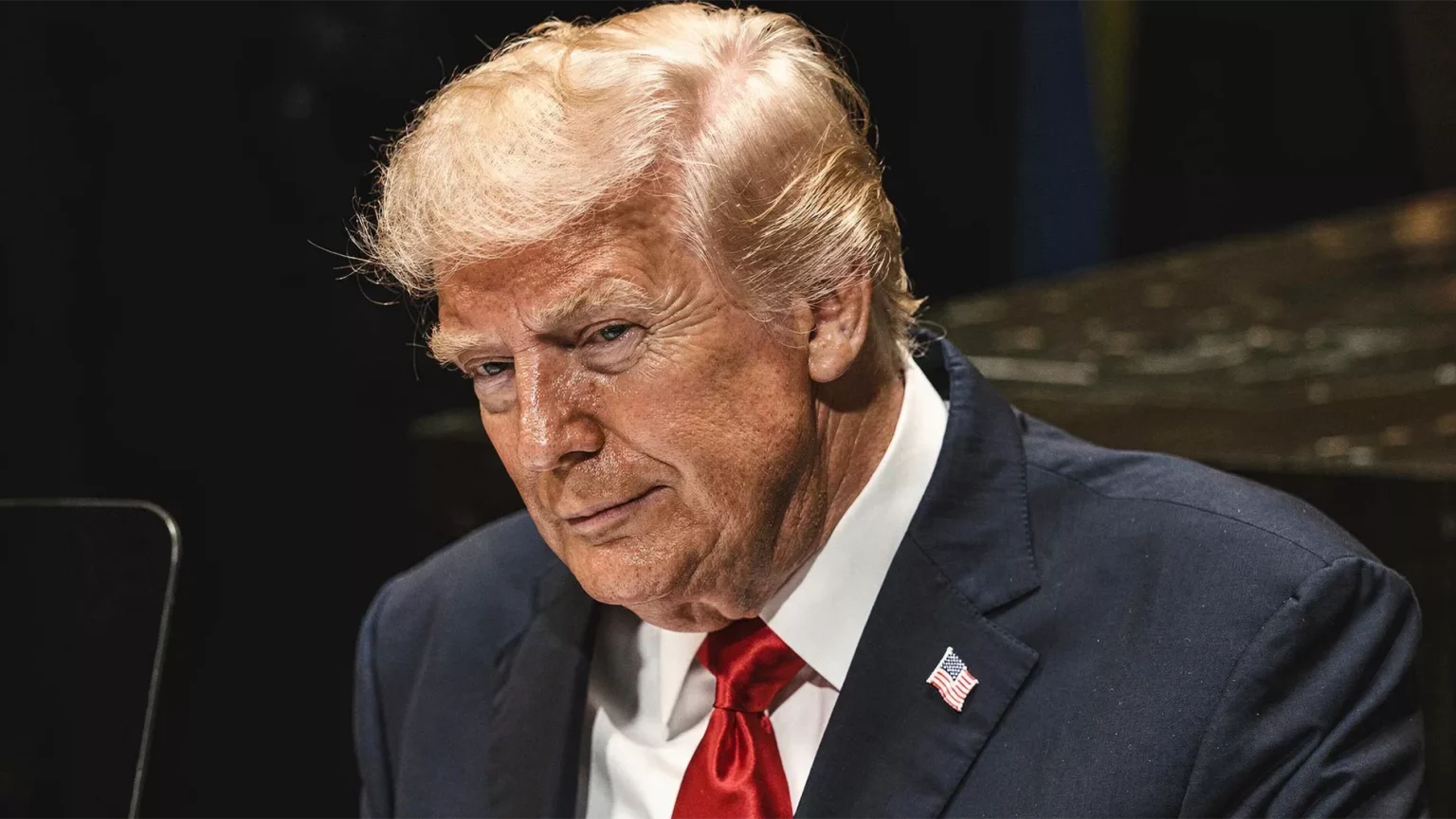
International media report the arrival of US military aircraft and an initial contingent of American troops in north-east Nigeria, signaling a potential escalation of counter-terrorism cooperation with Washington.
The New York Times reported a U.S. aircraft landed in Maiduguri, Borno State, on Thursday night, with additional flights and personnel arriving as part of a phased deployment.
The first wave, estimated at 100 to 200 US troops, includes intelligence analysts, advisers, and trainers meant to support Nigeria’s armed forces in non-combat roles such as planning, intelligence gathering, and operational support.
Major General Samaila Uba, spokesperson for Nigeria’s Defence Headquarters, confirmed to The Wall Street Journal and The New York Times that US personnel “do not serve in a combat capacity and will not assume a direct operational role,” emphasizing that Nigerian forces retain full command authority.
This deployment follows recommendations from a US-Nigeria joint working group and aligns with longstanding bilateral engagements focusing on advisory, capacity-building, training, and intelligence sharing.
The collaboration aims to bolster Nigeria’s fight against extremist groups like Boko Haram and factions of the Islamic State West Africa Province (ISWAP) in northern Nigeria, while addressing resource conflicts in the Middle Belt.
The arrival comes after months of pressure from former US President Donald Trump, who criticized the Nigerian government over its handling of attacks targeting Christians, though all communities have suffered casualties. Last Christmas, Trump ordered US airstrikes in Nigeria against IS-linked targets, coordinated with Nigerian intelligence.
Operationally, American personnel are assisting Nigerian forces with secure communications, base construction, and operational security, particularly at remote sites.
The contingent will also reinforce existing US trainers working with Nigerian special operations units. Notably, the first group of recently trained Nigerian commandos has already been deployed to Plateau State.
Looking ahead, both US and Nigerian forces plan to expand joint mission-planning, leveraging intelligence from surveillance flights operating from neighboring Ghana.
While the US describes the deployment as temporary, the Nigerian Presidency and military have yet to officially confirm or clarify the exact scope and mandate.