IJGB vs Nigerians: The Unspoken Class War Beneath the Jokes
IJGB season is chaos: fake-accent allegations, Lagos gatekeeping, and prices that suddenly “upgrade.” Let’s talk about who’s really doing the overcharging.
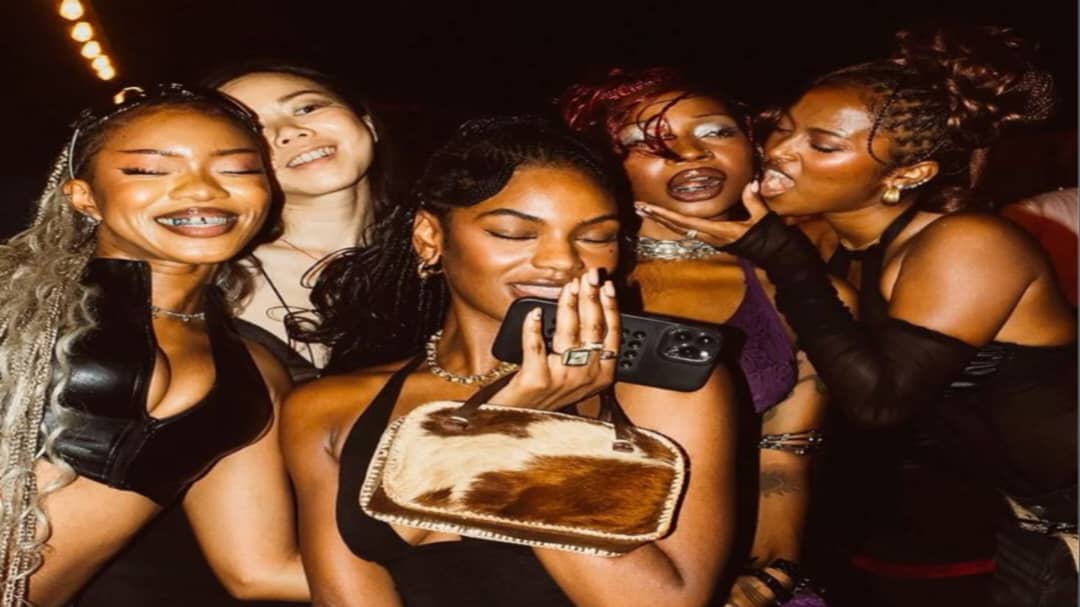
IJGB: When “I just got back” Turns Into A Whole P ersonality
“IJGB” literally means I Just Got Back, originally a playful label for Nigerians in the diaspora who return home (usually holidays) with new stories, new drip, and sometimes… new pronunciation settings. But why do we “attach” it so hard?
Because in Nigeria, movement is status. Your passport stamp is basically LinkedIn Premium: it signals access: money, options, “soft life,” and a different kind of struggle we can romanticize from afar. So when someone comes back, people project a whole movie onto them: they’ve made it, they’re “foreign,” they’re automatically rich, they’re about to spray money like it’s a public service announcement.
And the funniest part? IJGB isn’t even always a brag. Sometimes it’s just:
“I’m home and I’m disoriented.”
“Please, where can I buy data at 2am?”
“Why is NEPA doing remix?”
“Why did the okada man call me ‘boss’ like he’s about to collect my life savings?”
But the label sticks because it’s socially useful. It helps people sort each other quickly in a place where class signals are loud: accent, clothing, phone, confidence, the way you say “tomato” like you’re reading it from a British textbook.
Also, the economy has been doing backflips for years, so the “IJGB season” (hello, Detty December) feels like an annual flood of spending power.
Nigeria receives billions in diaspora remittances, and official figures regularly put Nigeria among Africa’s biggest recipients. When people know money is coming in, everybody starts positioning—friends, promoters, and yes, vendors. Which leads us to the part nobody wants to admit out loud…
The Accent Wars: Nigerians Policing Pronunciation Like It’s Immigration
Let’s be honest: Nigerians are accent detectives. Somebody returns and says “wa-ter” instead of “wah-tah,” and suddenly it’s:
“Ahn ahn. This one is forming. It’s fake.”
But accents are not tattoos. They’re adaptive. If you spend months/years hearing a new rhythm of speech daily, your mouth can pick up new habits. Even within Nigeria, go from Enugu to Lagos and your “good morning” changes temperature. Add diaspora life and you’ll likely code-switch without noticing.
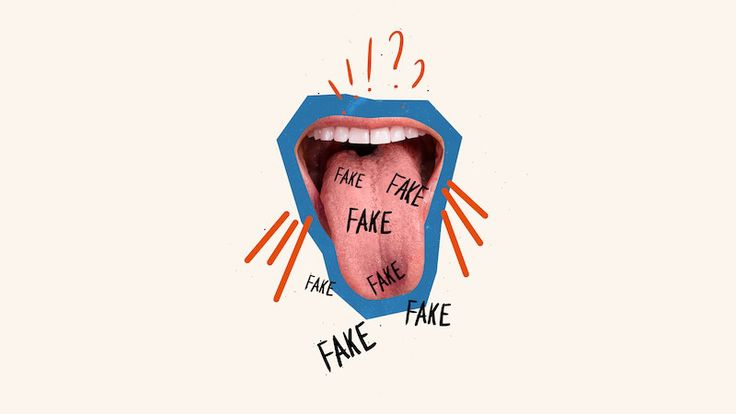
So why the rage?
Because accent in Nigeria isn’t just sound; it’s social rank. An accent can be read as:
“I’m better than you” (even when the person didn’t say that)
“I’ve escaped what you’re enduring” (which stings in a tough economy)
“I’m about to raise prices by existing” (lol)
And yes, some people perform it. The “new accent” can be like designer; sometimes it’s real, sometimes it’s rented for the weekend. But even that performance comes from something: pressure to look like you’re winning. Nigerians don’t just like success; we like it loud, confirmed, and preferably with an iPhone camera present.
Meanwhile, inflation and cost-of-living stress make everyone more sensitive. Nigeria’s headline inflation has been a major public obsession; official reports and major outlets have tracked big swings through 2024–2025. When people feel financially cornered, they become emotionally allergic to anything that looks like “flexing.”
So the “fake accent” fight is rarely about phonetics. It’s really about who gets to feel secure, who gets to feel seen, and who gets to feel like they still belong.
“They Came Back And Made Everything Expensive” — Okay But Who’s Actually Hiking Prices?
This is where the conversation gets spicy, because Nigerians will blame IJGB for price hikes like they personally increased the cost of a plate of jollof by remote control.
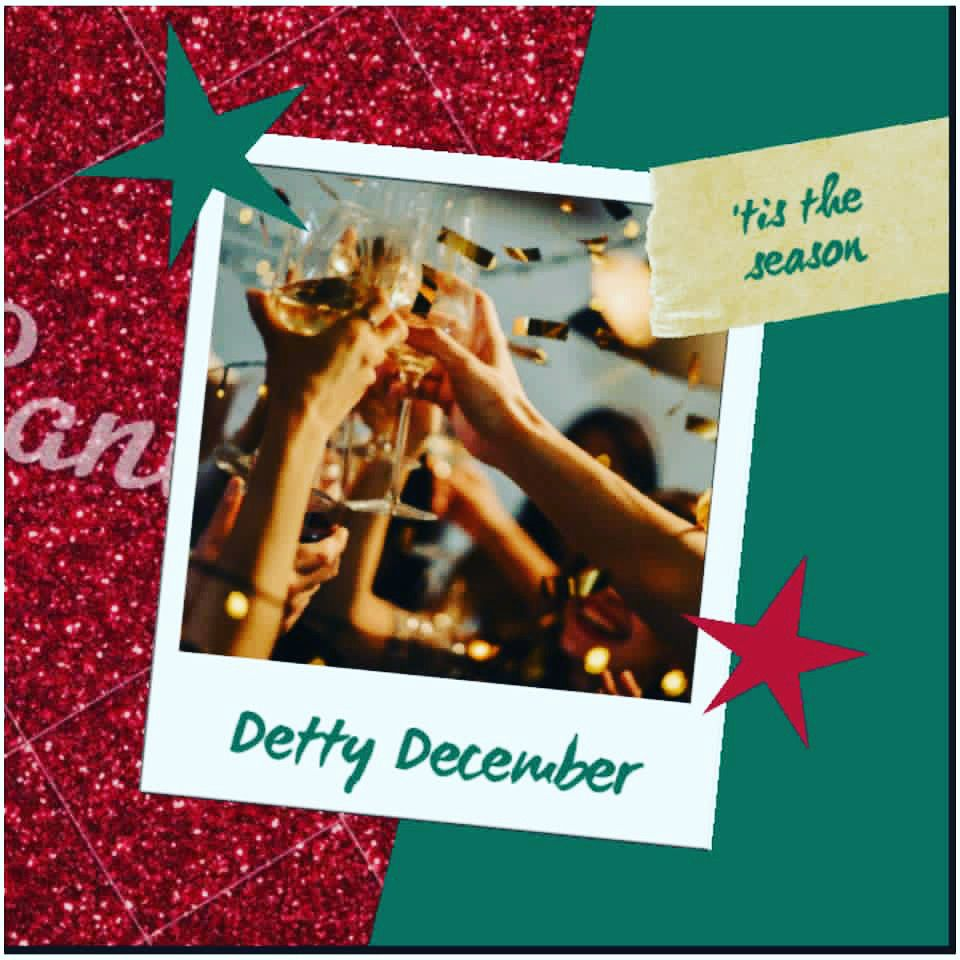
Detty December is a perfect example. Reports have noted that high-season demand, especially from diaspora visitors, can push up service prices, and locals can feel priced out. So yes: when more people with stronger spending power enter the market at the same time, prices can rise. That’s basic demand-and-supply.
But here’s the part we don’t discuss enough: vendors also make choices.
Diaspora Connect
Stay Connected to Home
From Lagos to London, Accra to Atlanta - We Cover It All.
People have complained that even when some foodstuff costs ease, many food vendors and restaurants keep “inflation-era pricing,” and consumers interpret it as profiteering. In other words: it’s not always “IJGB raised prices.” Sometimes it’s:
“We saw IJGB and decided to do Olympics in overcharging.”
And it’s not only greed. Lagos vendors also face real costs: rent, fuel, transport, electricity (generator tax), staff, packaging, and sometimes exchange-rate chaos for imported inputs. Many informal businesses operate on thin margins and rising operating costs. So it’s complicated: some hikes are survival, some are opportunism, some are just “let me round up because Nigeria is stressful.”
But the social story becomes simpler when we need a villain.
And IJGB is an easy villain because:
they’re visible,
they’re seasonal,
they “look like money,” and
everybody has a hot take.
Meanwhile the real price-hike system is a triangle: high costs plus high demand plus low regulation plus vibes. IJGB is just the face card that arrived at the worst time.
Lagos Baddie Territorialism: “We Own This Town” as Emotional Armour

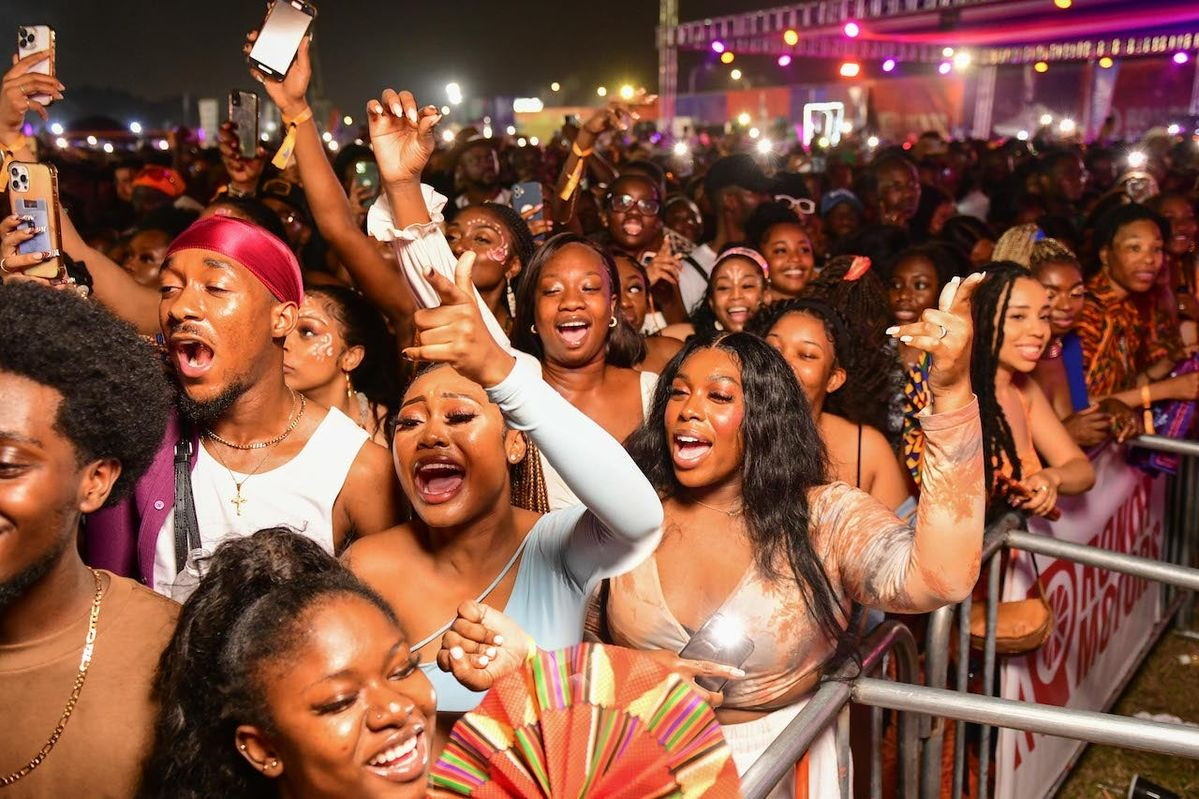
Now let’s talk about the Lagos baddie vs IJGB tension, the one that feels like a reality show nobody auditioned for.
You’ll see it in comments like:
“Don’t come and do shakara here.”
“We are the originals.”
“Na we get Lagos.”
“You people should go back where you came from.” (As if Nigeria has interplanetary borders.)
This “we own the town” energy often isn’t confidence. It’s insecurity wearing lashes.
Why? Because IJGB can trigger a deep fear: “Will I be replaced?”
Replaced in attention, in beauty standards, in dating markets, in social circles, in who gets invited to what, in who gets served first at the club like the bouncer is doing scholarship selection.
And Lagos, as a city, already runs on competition, soft life competition, hustle competition, packaging competition, enjoyment competition. Add returning diaspora folks during peak season, and it becomes a loud comparison game:
who’s more desirable
who’s more “current”
who has more access
who can afford the “premium” version of fun
So some people respond by gatekeeping. “We own the town” becomes a way to say:
“Even if you have dollars, this is still my home ground.”
But home-ground pride can easily turn into hostility, especially when money is involved. When living costs feel brutal, any outsider-coded person becomes a symbol of unfairness—even if they’re literally Nigerian and just came home to eat suya and suffer traffic like the rest of us.
The irony: both sides are often stressed. IJGB is trying to belong again; Lagos locals are trying not to be erased in their own city. Everybody is fighting for space—social, economic, emotional.
A Small Peace Treaty: Stop Dragging Accents, Start Dragging The System
If we want this conversation to evolve past “your accent is fake” and “you’re making things expensive,” we have to upgrade our targets.
1) Normalize code-switching without moral panic.
Accents change, and people also perform but both can be true. But it’s not a crime to sound different, and it’s not a crime to come home with new habits. Let’s retire “fake” as the default accusation.
2) Admit that pricing is a shared mess.
Detty December demand can raise prices, yes. But vendors also respond strategically, sometimes fairly, sometimes wildly. And consumers have repeatedly complained about price stickiness and perceived profiteering. If we can call out IJGB for “overpaying,” we can also call out businesses that triple prices because they saw an Instagram story.
Diaspora Connect
Stay Connected to Home
From Lagos to London, Accra to Atlanta - We Cover It All.
3) Understand the economic anxiety underneath the beef.
Nigeria’s inflation story and cost pressures shape everybody’s behaviour: buyers, sellers, and even the way we interpret each other’s lifestyles. That tension is real, but it shouldn’t become social warfare.
4) Lagos baddies, please unclench.
You don’t have to “own the town” to matter. Lagos is not a WhatsApp group where admins can remove members. It’s a city. Everybody will come. The flex is not territorial aggression; the flex is being so secure that somebody else’s presence doesn’t threaten you.
5) IJGB, also read the room.
If you return and immediately start comparing everything: “In Canada we don’t…” “In the UK, we…..” — people will read it as contempt, even if you meant it as surprise. Choose curiosity over commentary. And if you must talk, add humour and humility. Nigerians love gist; we just hate being talked down to.
At the end of the day, IJGB is supposed to be banter, not a caste system. The accent wars are funny until they’re cruel. The price wars are understandable until they become exploitation. And the “we own Lagos” vibe is cute until it turns into xenophobia-by-vibes.
So yes, let’s laugh. But let’s also be honest: the real enemy is not someone’s tongue forming new syllables. The real enemy is a system where everybody is stressed, everybody is hustling, and we keep fighting each other like it’s a sport; while prices quietly climb in the background like a thief wearing designer.