Ghana's Fiscal Future: New Loans Act Targets Wasteful Borrowing
Ghana's Finance Minister, Dr. Cassiel Ato Forson, has unveiled plans for a new Loans Act to tighten controls on public borrowing. This initiative will ensure all future loans are tied to high-impact projects, aiming to restore fiscal discipline and cement gains from ongoing debt restructuring efforts, including a recent agreement with EXIM India.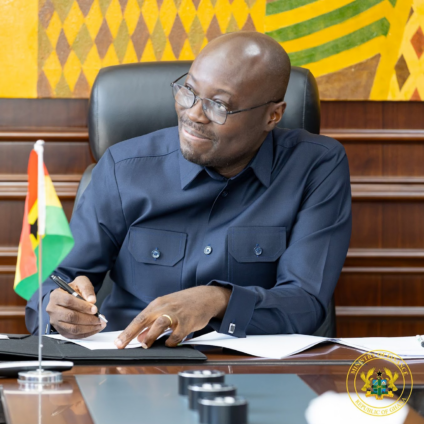
Finance Minister Dr Cassiel Ato Forson has announced plans to introduce a new Loans Act aimed at tightening control over how Ghana uses borrowed funds, as part of efforts to restore fiscal discipline and protect the economy.
The proposed law will make sure Ghana uses borrowed money wisely, so every loan benefits the people and is not wasted.
Dr. Forson says the new Act is all about accountability and real results, and the government wants to stop the old borrowing habits that caused economic problems and instead ensure every borrowed Cedi benefits the people.
The goal is to avoid unnecessary loans, manage money better, and keep Ghana from falling back into heavy debt.
The announcement comes amidst Ghana's ongoing efforts to stabilize its debt situation, which includes a comprehensive debt restructuring program.
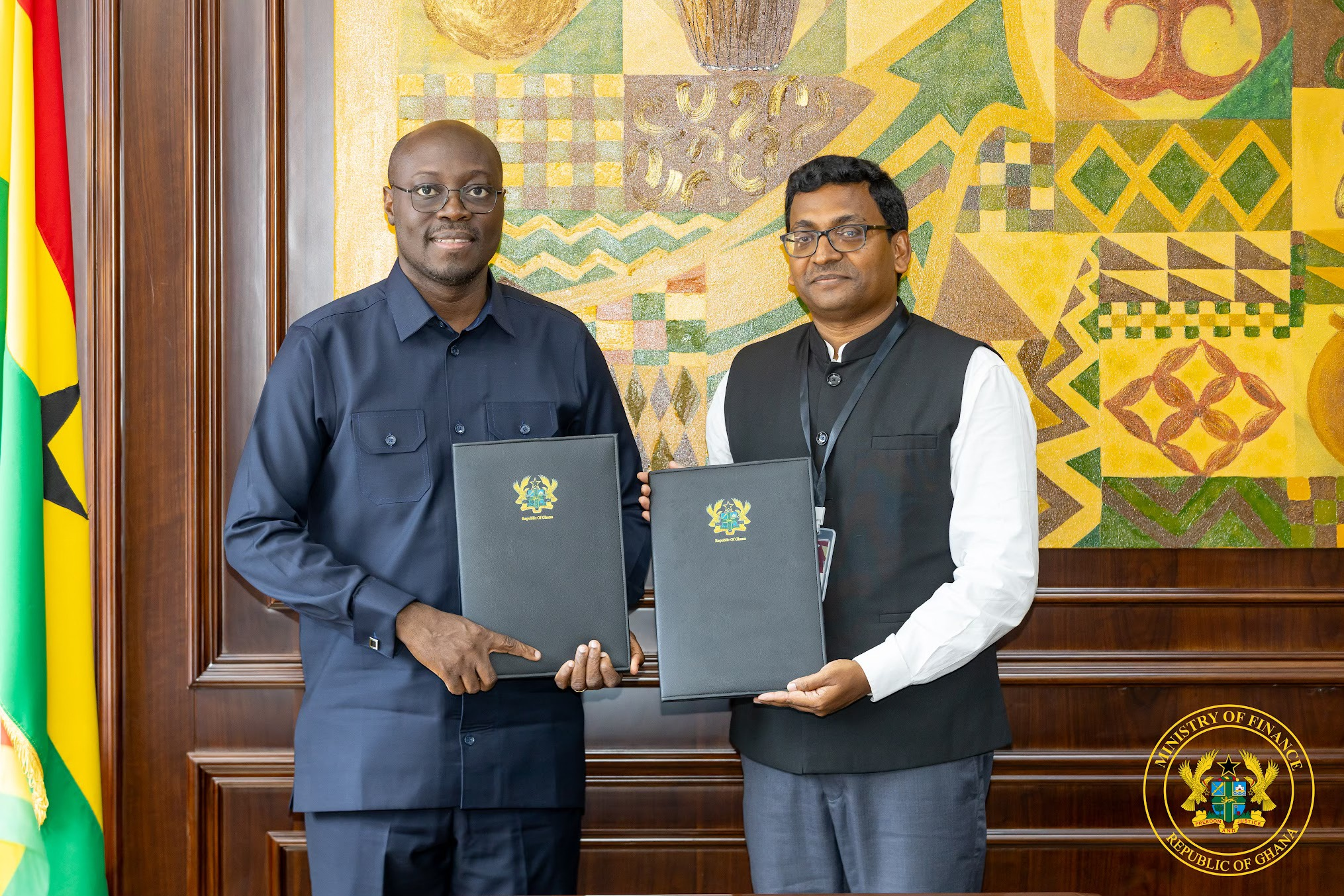
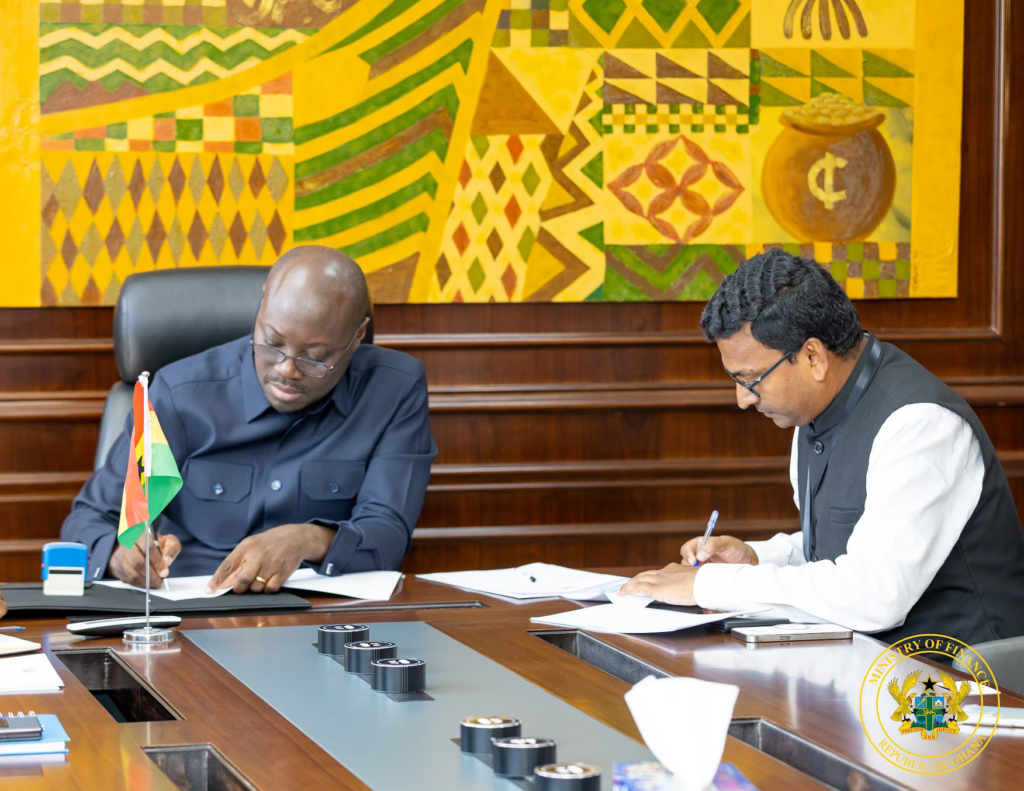
The Finance Minister recently underscored these efforts by signing Ghana's 11th bilateral debt restructuring agreement, this time with EXIM India.
These strategic interventions are already yielding positive outcomes, with the country showing promising signs of improvement and steadily progressing towards a low risk of debt distress, supported by improving macroeconomic indicators.
Furthermore, the government has reaffirmed its unwavering commitment to honoring all restructured obligations punctually and to making debt sustainability a central consideration in every future financing decision.
The new legal framework is expected to serve as a cornerstone for a fundamental shift in borrowing practices, complementing broader public financial management reforms aimed at enhancing accountability, improving investment efficiency, and securing the country's long-term fiscal stability.
This comprehensive approach is designed to build a more resilient and prosperous Ghana for all.