Five Menstruation Myths That Still Need to Go
Why do menstruation myths survive in a world of modern medicine? We examine five beliefs science has already debunked.
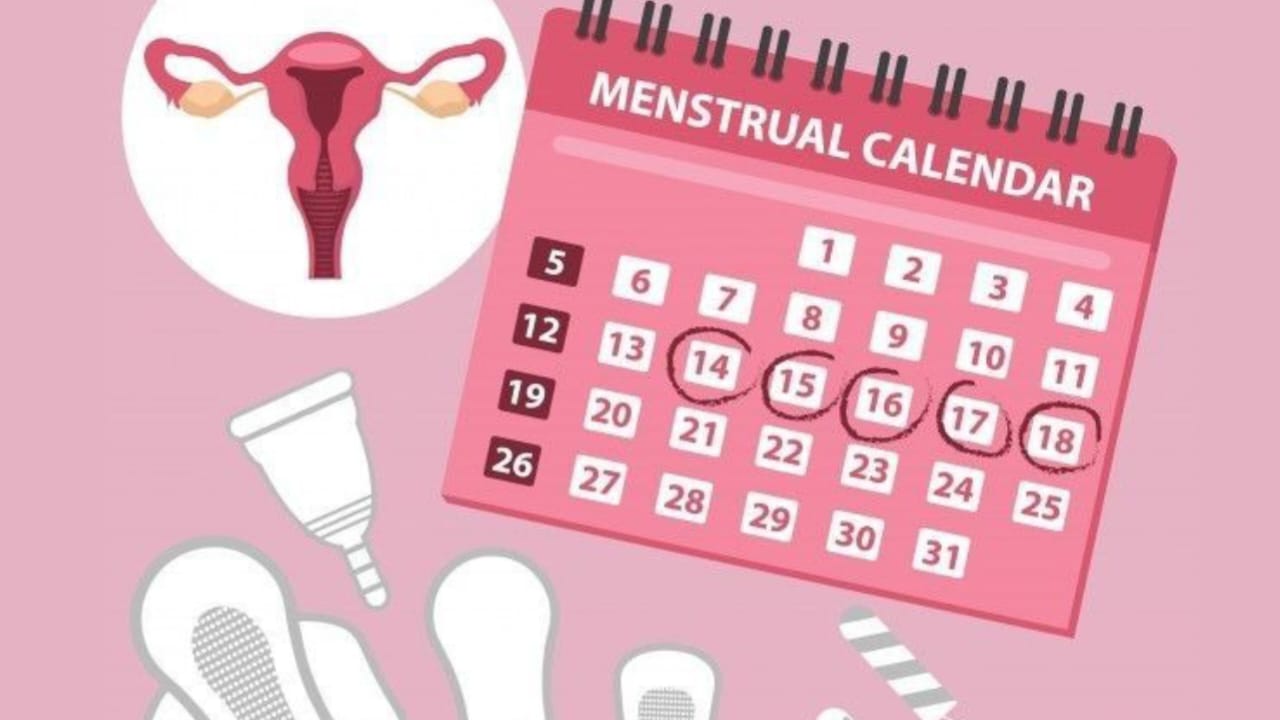
Menstruation is a routine biological process experienced by roughly half of the global population, yet it remains surrounded by misinformation, stigma, and cultural taboo. As of 2017, about 3.73 billion people worldwide were born with female reproductive anatomy, and most of them menstruate at some point in their lives.
Despite this scale, myths about periods continue to shape behaviour, healthcare decisions, and even laws in some societies.
Below are five of the most persistent misconceptions about menstruation, explained using established medical evidence.
1. You cannot get pregnant if you have sex during your period
This is one of the most widespread and consequential myths surrounding menstruation.
Pregnancy is possible during menstruation. While fertility is often lower during a period, it is not absent. Ovulation typically occurs 12–16 days before the start of the next menstrual cycle, but cycle length varies widely.
In shorter cycles, ovulation may occur soon after bleeding ends. Since sperm can survive in the reproductive tract for up to five days, and in some cases longer; unprotected sex during menstruation can still result in fertilization.
In addition to pregnancy risk, unprotected sex during menstruation increases vulnerability to sexually transmitted infections, including HIV. Hormonal changes during this phase can alter vaginal immunity, and the presence of blood can facilitate viral transmission.
In rare cases, penile exposure to menstrual blood can also lead to balanitis, an inflammatory condition of the glans.
Medically speaking, there is no prohibition against sex during menstruation, but protection remains essential.
2. Skipping your period is unsafe
Many people believe that suppressing menstruation using hormonal contraception is harmful. Current medical consensus does not support this belief.
Continuous or extended-cycle birth control methods that reduce or eliminate periods are considered safe for most individuals. Major gynaecological organizations and clinicians agree that menstruation is not medically necessary outside of fertility signalling.
According to specialists, monthly bleeding offers reassurance but serves no essential physiological function for people using hormonal contraception.
For individuals with conditions such as dysmenorrhea, endometriosis, heavy menstrual bleeding, migraines, or severe premenstrual symptoms, suppressing menstruation can significantly improve quality of life. Decisions about skipping periods should always be made in consultation with a healthcare provider, but the practice itself is not inherently dangerous.
3. Bathing during your period is harmful
Another enduring myth claims that bathing or showering during menstruation is unsafe, either because hot water increases bleeding or because water “blocks” menstrual flow.
Neither claim is accurate. Warm water may increase circulation, but this often helps reduce muscle tension and menstrual cramps. Bleeding does not stop during bathing; water pressure may temporarily slow visible flow, but it has no negative health effect.
Maintaining normal hygiene during menstruation is not only safe but recommended. Cleaning the external genital area with water and mild, unscented soap is healthier than using scented wipes or vaginal cleansers, which can disrupt the natural vaginal microbiome and increase infection risk. Research has shown a strong association between intimate hygiene products and higher rates of genital infections.
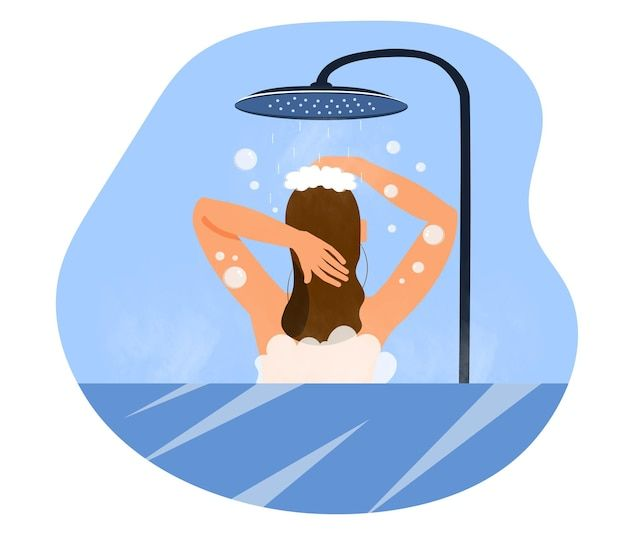

Bathing may also offer additional health benefits, including reduced inflammation and improved metabolic markers, according to recent studies.
4. Periods naturally “sync” when women live together
The idea that menstruation synchronizes among women who spend significant time together is widely believed and frequently repeated.
The theory originated in a 1971 study published in Nature, which suggested that pheromonal exchange among women living in close proximity could influence cycle timing. However, subsequent research failed to replicate these findings. Later studies identified methodological flaws in the original research, including statistical bias and failure to account for chance overlap.
More recent, larger-scale studies have found no reliable evidence of menstrual synchrony among roommates or close friends. Anthropologists and reproductive scientists now regard perceived synchrony as coincidence, amplified by human tendencies to notice patterns and assign meaning to them.
5. Tampons are dangerous or can get lost inside the body
Concerns about tampon use are particularly common among first-time users.
Tampons do not damage the hymen . The hymen is not a solid barrier but a flexible membrane surrounding the vaginal opening. If it fully covered the vagina, menstrual blood could not exit the body, which would be a medical emergency. The hymen’s elasticity allows for tampon insertion without injury.
Tampons also cannot get lost inside the vagina. The cervix sits at the upper end of the vaginal canal, and its opening is far too small for a tampon to pass through. Vaginal depth averages under 10 centimeters, and tampons are designed with retrieval strings for easy removal.
However, tampons must be changed every 4–8 hours. Prolonged use increases the risk of toxic shock syndrome, a rare but serious condition caused by bacterial toxin buildup.
Conclusion
Menstruation-related myths persist largely because periods are still treated as uncomfortable or inappropriate topics of discussion. This silence allows misinformation to thrive. Accurate, evidence-based information belongs at the center of healthcare conversations, not at the margins.
When in doubt, medical professionals, not cultural assumptions; should be the final authority.