Energy Drinks, Coffee and Sleep: How Much Caffeine Is Too Much?
Energy drinks and coffee can improve alertness, but excessive caffeine and sleep deprivation carry risks. Learn what these drinks contain, how they work and how to use them more safely.

It is 11 p.m. An exam is approaching, an assignment remains unfinished, or tomorrow’s deadline refuses to wait. For many students and workers, the solution comes in a bottle, can or cup: an energy drink or coffee.
The eyes stay open, concentration appears to improve, and sleep suddenly feels negotiable. But while caffeine can temporarily make someone feel more alert, being awake is not the same as being well-rested, and the body eventually collects its debt.
What Is Really Inside Your Energy Drink or Coffee?
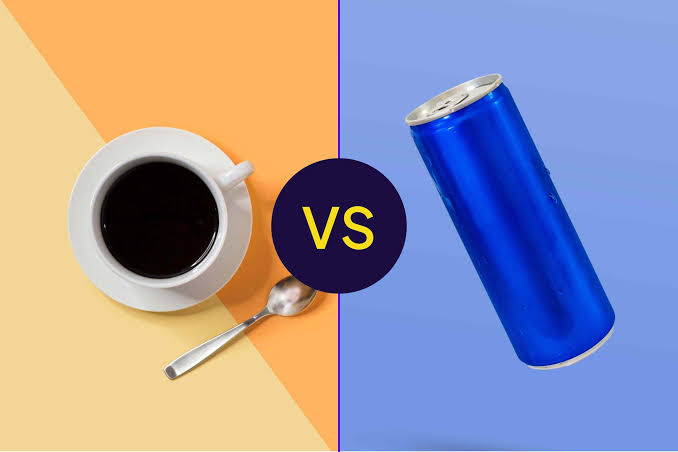
The main ingredient responsible for that familiar boost is caffeine, a stimulant that acts on the central nervous system. It blocks adenosine, a chemical that builds up in the brain and contributes to feelings of sleepiness.
With that signal temporarily suppressed, you may feel more awake and find it easier to concentrate. However, caffeine does not replace the restorative work your body and brain perform during sleep.
Coffee generally contains caffeine, although the amount depends on the serving size, preparation method and strength. Energy drinks may contain caffeine alongside sugar, flavourings and other ingredients, including guarana, which is another source of caffeine. Some products contain considerably more caffeine than others, making the label worth reading before opening another can. Sugar may provide a quick burst of energy, but it does not cancel out caffeine’s effects or make sleep deprivation harmless.
This explains their appeal to students preparing for examinations, workers facing deadlines and people trying to push through a long night. Caffeine can improve alertness in the short term, particularly when someone is tired.
Yet prolonged wakefulness still affects attention, memory, judgement and reaction time. A student may remain awake for hours without retaining what they have studied, while a worker may feel energetic but make mistakes they would normally avoid.
When the Boost Becomes a Problem
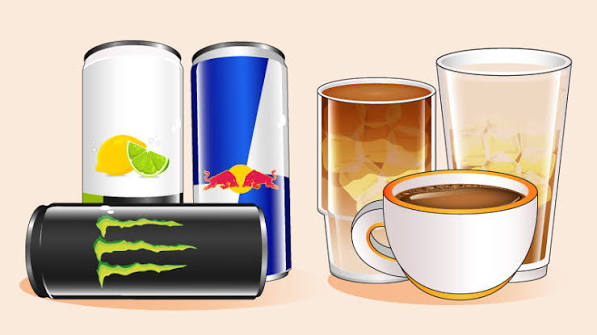
The trouble begins when stimulation becomes a substitute for sleep rather than an occasional aid. Too much caffeine can cause a racing heartbeat, palpitations, anxiety, trembling, headaches, stomach discomfort and difficulty sleeping. Consuming it late in the day can also delay sleep or reduce its quality, creating a cycle in which someone wakes up tired, reaches for another drink and struggles to sleep again that night.
For most healthy adults, the US Food and Drug Administration cites400 milligrams of caffeine per day as an amount not generally associated with negative effects. This is not a target everyone should aim for, nor a guarantee of safety for every individual.
So, how much caffeine is too much? For most healthy adults, the answer is anything beyond roughly 400 milligrams a day, the amount the FDA cites as generally not linked to harmful effects.
In practical terms, that is about four to five cups of brewed coffee. Energy drinks are harder to measure because caffeine content varies widely by brand and can size, so the label matters more than assuming one can equals one cup.
Two or three cans in a day, added to a morning coffee and an afternoon cup of tea, can push someone past the limit without them noticing. Timing matters too.
Even an amount within the daily limit can disrupt sleep if taken late in the afternoon or evening, since caffeine stays in the body for hours after the last sip.
Sensitivity varies, and some people experience unpleasant effects at much lower amounts. Pregnant women are generally advised to limit intake to 200 milligrams daily, while energy drinks are not recommended for children and adolescents.
The better approach is not to treat every late night as a challenge to overcome with another can. Check caffeine content, count all sources consumed throughout the day and avoid it close to bedtime.
Students should plan revision around adequate sleep, breaks and active recall rather than assuming an all-nighter guarantees better results. If tiredness persists despite sufficient rest, it may be worth discussing it with a healthcare professional.
Coffee and energy drinks can temporarily increase alertness. They cannot erase sleep deprivation, and taking more does not mean getting more benefit. Sometimes, the most productive decision is to close the book, postpone the deadline, put down the can and let the body rest.