Democracy Is Not For Us: The Case Against Liberal Governance in the Developing World
A critical look at Ibrahim Traoré’s rejection of democracy, examining whether liberal governance has failed to deliver development across the Global South.
On April 3, 2026, Burkina Faso's military leader Ibrahim Traore sat in front of state television cameras and said what a lot of people in the Global South have been quietly thinking. "People need to forget about the issue of democracy," he said. "Democracy isn't for us. Democracy kills."
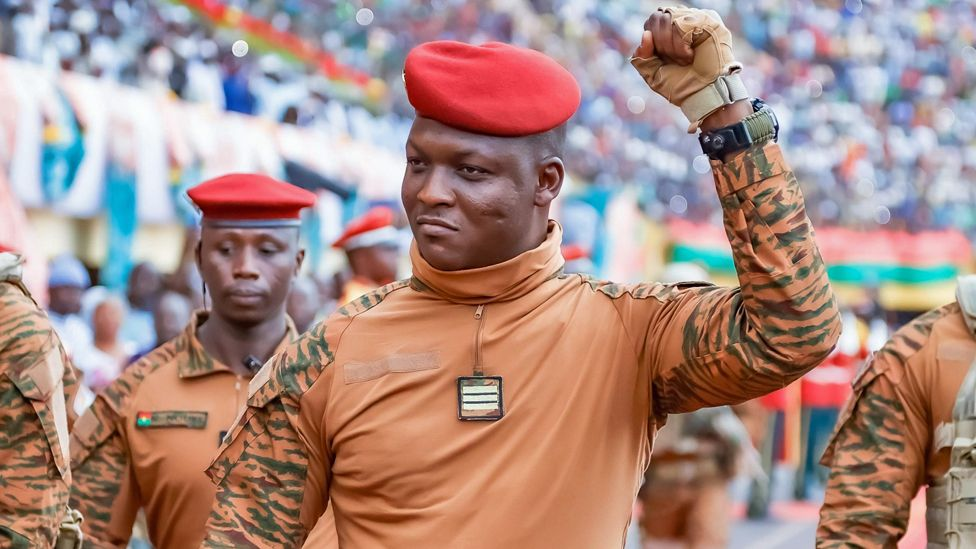
The expected response was outrage, especially from the Western media.
However, across African social media, a different reaction was spreading: recognition. Not necessarily agreement, but recognition.
For millions of young people living in countries that have held elections for decades and still can't keep the lights on, the honest question is not whether Traore was out of line. It is whether he was lying.
He wasn't entirely and that is worth sitting with.
What Democracy Promised
When democracy arrived in postcolonial Africa, it came wrapped in a huge box of promises and the list was endless: accountability, representation, the end of the strongman, citizens would choose their leaders, leaders would answer to citizens and the cycle would slowly build a functioning state. That was the pitch.
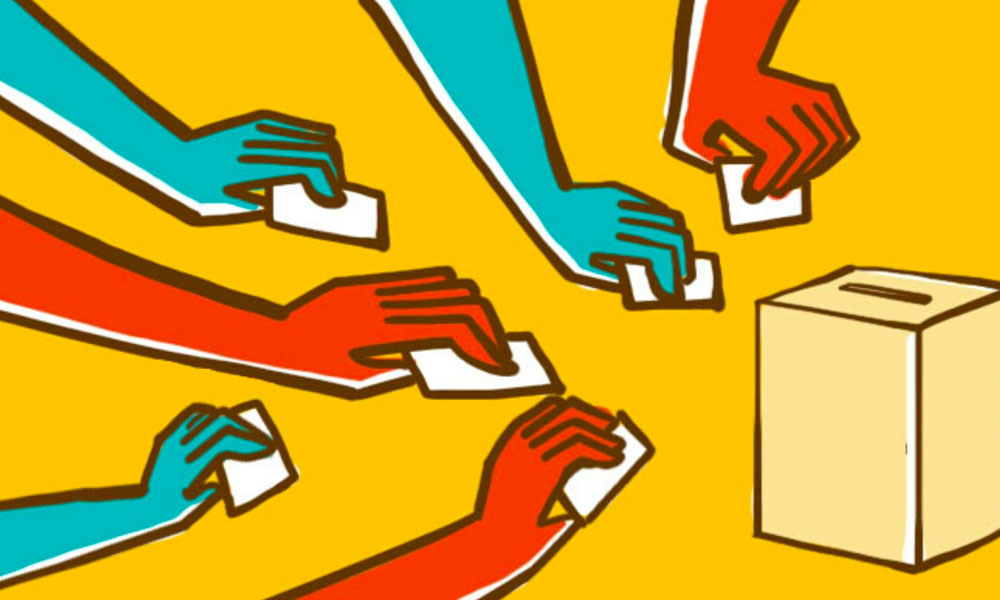
Decades later, the pitch has mostly produced elections that change the faces but not the conditions, parliaments full of people who got rich while their constituents got poorer and institutions so captured by political interests that the word "independent" in their names is basically a joke.
Nigeria has conducted seven consecutive general elections since 1999. It also has over 100 million people living in extreme poverty, the highest number of any country in the world.
Ghana is regularly held up as West Africa's democratic success story. It is also currently crawling out of its worst economic crisis in a generation, having gone to the IMF for a bailout in 2023.
Kenya holds competitive elections, sometimes violently. It also has a youth unemployment rate hovering around 67 percent.
The pattern across democratic developing nations is consistent: elections happen, power transfers, and the material conditions of ordinary people remain largely unchanged.
For the longest time, the ballot box has not been delivering.
The Other Side
A quick look at Rwanda will have you observing Paul Kagame has governed since 2000with an iron grip. He had the opposition suppressed and press freedom limited, and no one pretends elections are truly competitive.
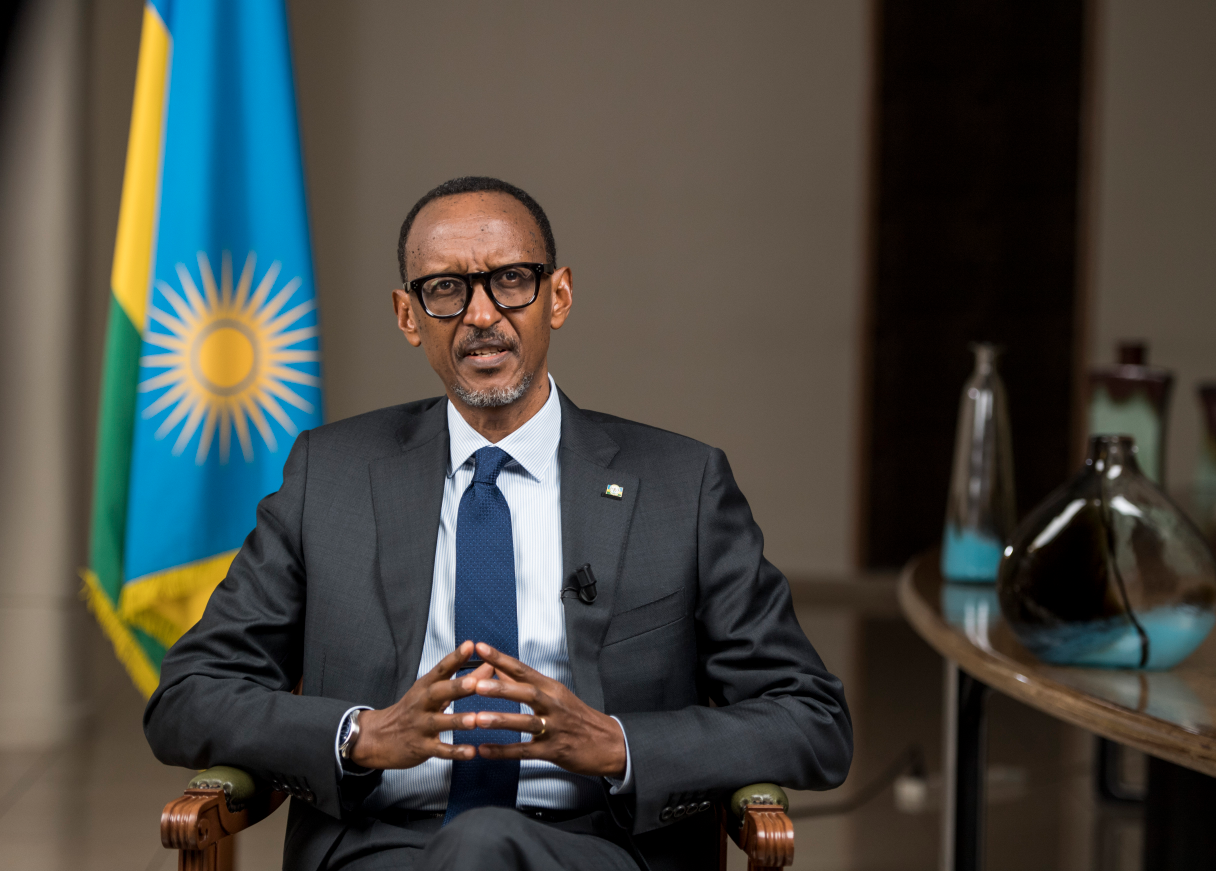
Currently, Rwanda also has one of the fastest-growing economies on the continent, near-universal health insurance coverage and a genocide recovery that most political scientists said was impossible.
It is not a democracy in any meaningful sense. It also works, by several important measures.
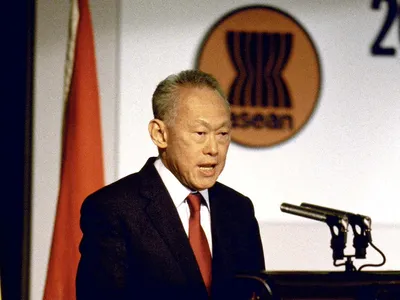
Singapore's founding father Lee Kuan Yew was explicit. He held the stance that liberal Western democracy was not the model he was building. What he built instead became one of the wealthiest, most functional states in the world.
China lifted 800 million people out of poverty under a system no one would call democratic.
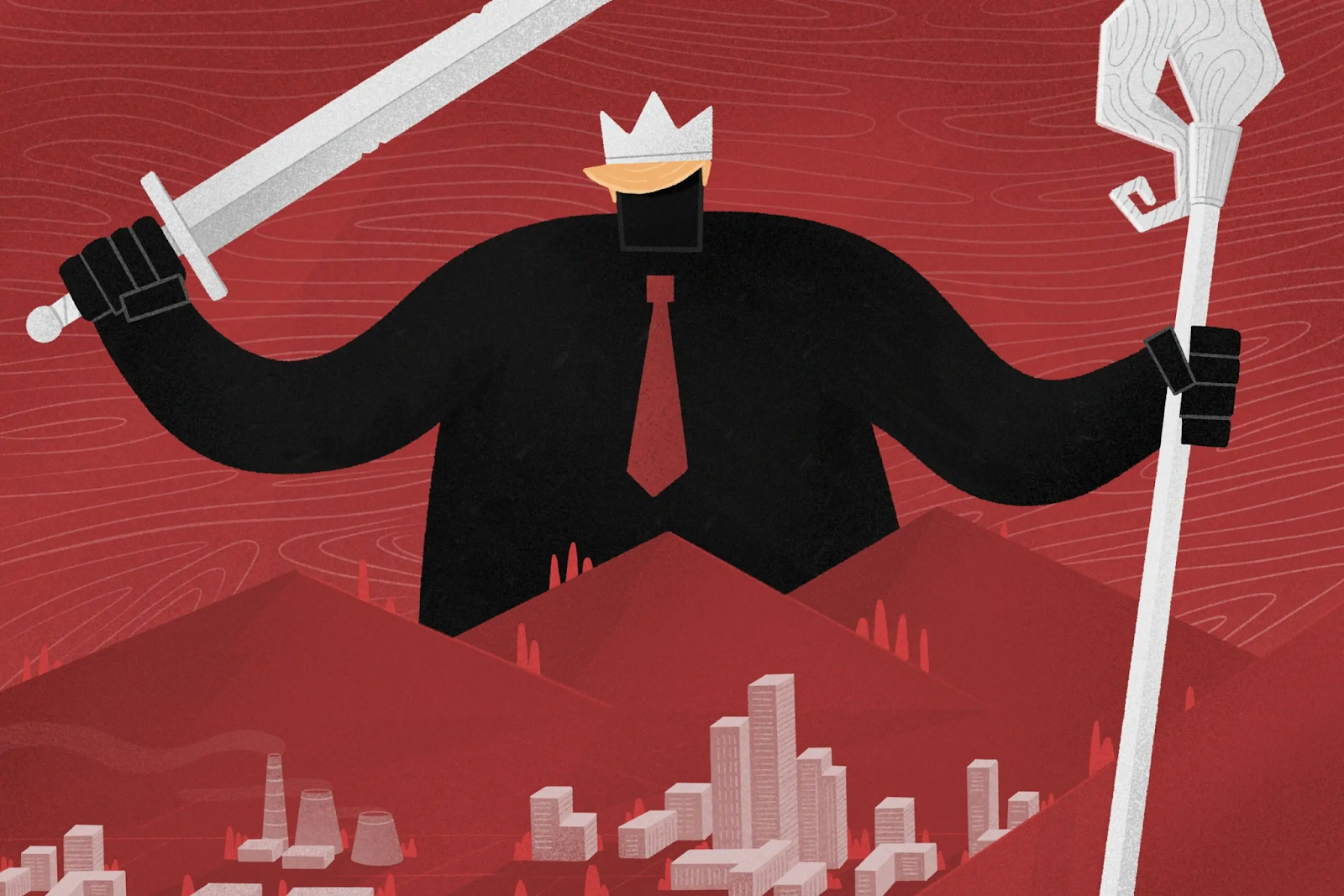
None of this means authoritarianism is the answer. It means that democratic governance is not the only path to development and in fragile, post-colonial states with weak institutions and manufactured borders, it may not even be the most effective one.
The Installation Problem
Democracy in most of Africa was not built. It was largely installed.

When colonial powers handed over independence, many left behind constitutions they had written, political structures designed not to empower the new states but to maintain familiar relationships of dependency and control.
The democratic systems that emerged were inheritances from people who were leaving and inheritances, especially the one built in a different climate, don't always fit.
This is not a small thing. You cannot blame a system for failing when the system was never designed for the context it was dropped into.
The question was never really democracy or no democracy. The question was always: whose democracy, designed by whom, and for what purpose?
Back to Burkina Faso
Western analysts were quick to frame Traore's rule as pure chaos and they were not entirely honest. The numbers tell a more complicated story.
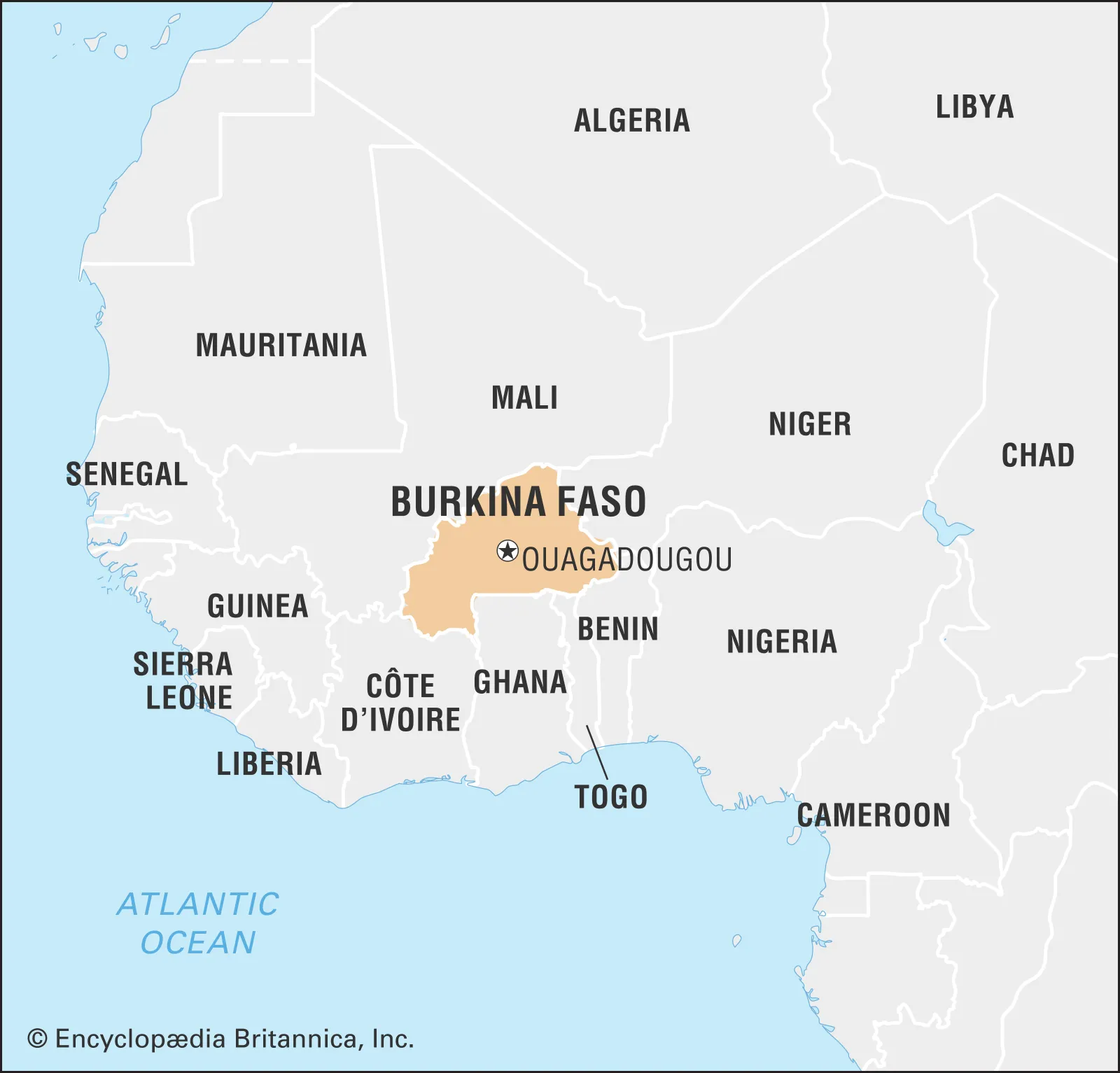
Burkina Faso's nominal GDP rose from $18.8 billion in 2022 to an estimated $26.9 billion by 2025 which is a whopping 43% increase. He nationalised gold mines, stopped exporting unrefined gold to Europe and inaugurated a national gold refinery expected to process 150 tonnes annually.
He reduced ministers' salaries by 30%, increased civil servants' salaries by 50% and paid off Burkina Faso's local debts. Using revenue from nationalised mining assets, the government repaid over two billion dollars and reduced domestic debt by a quarter.
On the ground, the changes are tangible. Tomato production rose from 315,000 metric tonnes in 2022 to 360,000 in 2024. Millet production climbed from 907,000 to 1.1 million metric tonnes in the same period.
The country which controlled barely 60% of its territory when Traore took power had regained control of nearly 75% by the end of 2025. He rejected IMF and World Bank loans entirely, insisting Burkina Faso could develop without Western conditions attached.
These are not the achievements of a government treading water. A leader delivering measurable development is precisely the kind of inconvenient evidence this conversation needs.
It disrupts the comfortable assumption that you cannot have progress without elections. Burkina Faso, right now, is suggesting otherwise.
What, Then?
It is clear that the current model — elections as performance, representation without redistribution, institutions built to be photographed rather than to function — is not working.
What is also clear is that the Global South is still being measured by a system that was never designed for it, and penalised whenever it tries something different.
What African nations actually need is the space to build governance structures that prioritise their own development logic, informed by indigenous political traditions, designed around specific institutional realities and accountable to their own populations rather than to international bodies or foreign governments.
That might look like democracy. It might look like something else entirely but it has to be chosen, not installed.

Traore said democracy is not for us. The more precise version might be this version of democracy was never really for us to begin with. And the generation of young Africans who have watched their countries vote multiple times and remain poor already knows it.