Deadly Deluge: Ethiopia Hit by Fatal Landslides and Flash Floods
Devastating landslides and flash floods triggered by unseasonal heavy rains have claimed at least 30 lives in Ethiopia's Gamo Zone. The disaster has disrupted transport and damaged infrastructure, prompting authorities to warn of continued risks as Belg season rains persist across vulnerable regions. Emergency aid is being coordinated, and communities are urged to remain vigilant.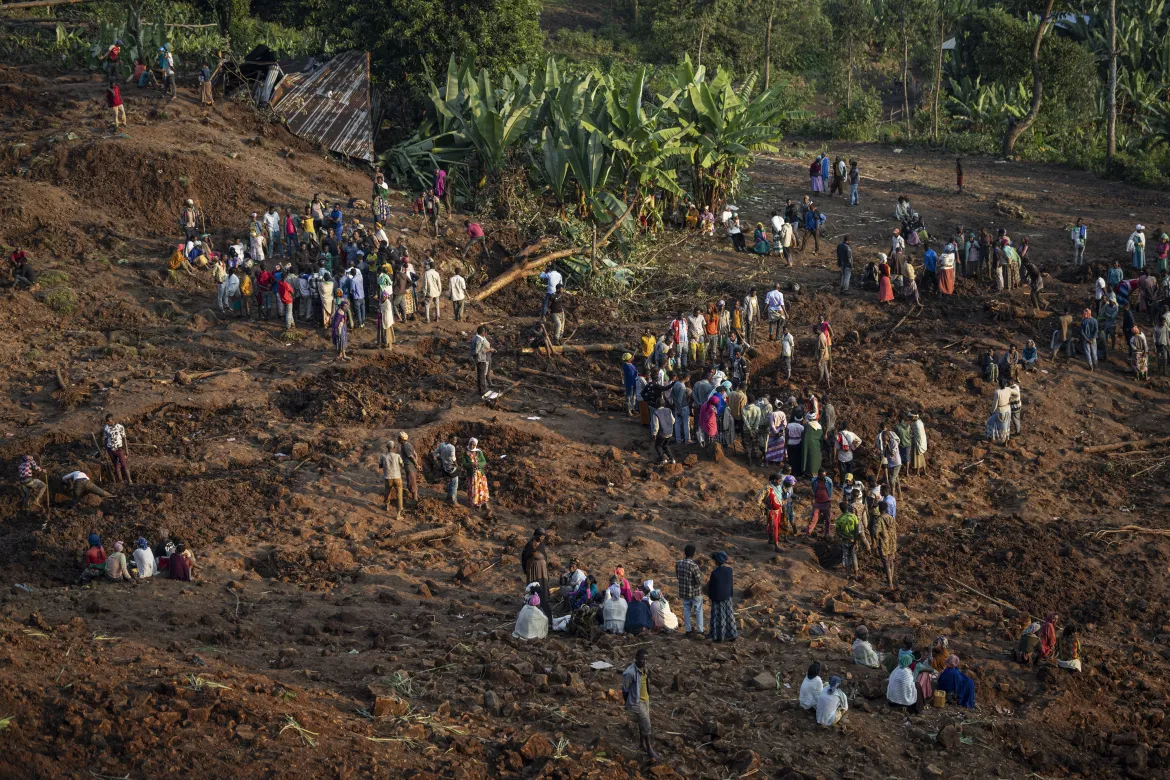
At least 30 people have tragically died following a series of landslides and flash floods in the highland areas of Gamo Zone, located in the South Ethiopia Regional State.
These devastating events were precipitated by continuous and unseasonal heavy rainfall between the night of March 9 and the early morning of March 11, 2026.
Among the victims, a mother and her two children were instantly killed when a landslide struck their home in Yela Kebele of Bonke Woreda. The father survived but sustained serious injuries and is currently receiving medical treatment at Bonke Gazeso Health Center.
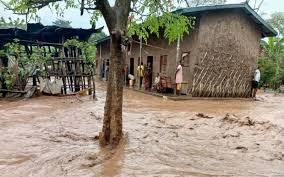
Two individuals succumbed to sudden flooding in Balta town in Kamba Zuria Woreda, and six others lost their lives in a landslide in Mazo Doysa Kebele of Gacho Baba Woreda. These fatalities highlight the widespread and indiscriminate destruction caused by the disaster across multiple communities.
Debris from landslides and floodwaters has effectively blocked public transport routes, severely disrupting movement and significantly complicating ongoing rescue operations.
The overflow of the Kulfo and Sego rivers has also caused considerable damage to crucial institutions and infrastructure in Arba Minch city and its adjacent districts.
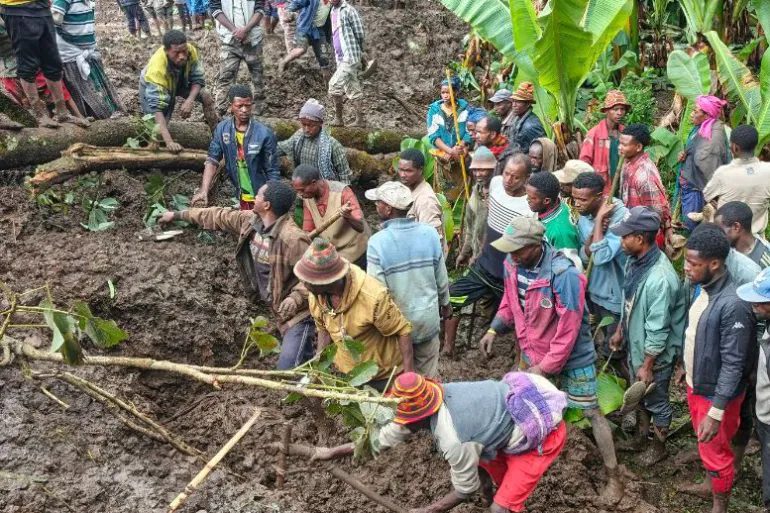
Regional authorities have issued urgent warnings that the threat of further disasters remains high as the seasonal Belg rains continue.
Commissioner Wogene Bizuneh warned that ongoing rainfall could trigger additional landslides across vulnerable zones including Gamo, Wolayta, South Omo, Konso, Gedeo, and Gofa.
Authorities have strongly urged communities in high-risk areas to watch for critical warning signs such as ground cracks or the sudden emergence of water springs. Residents have been advised to promptly relocate to safer ground away from riverbanks and steep slopes during periods of intense rainfall.
The zonal administration is actively coordinating with humanitarian organizations and the private sector to provide emergency assistance to affected residents. Deepest condolences have been extended to the families of the victims as relief efforts continue.
This latest calamity echoes a series of deadly landslides that have plagued southern Ethiopia, with earlier incidents in Gofa Zone in 2024 claiming at least 257 lives after days of torrential rain.
Local authorities continue to reiterate that communities in mountainous and flood-prone areas remain acutely vulnerable as heavy rains persist across southern Ethiopia.