Ethiopia's Green Gold: Wildlife Conservation Sparks Tourism Surge
Ethiopia is solidifying its position as a leading eco-tourism destination through extensive wildlife and natural resource conservation efforts, spearheaded by the Ethiopian Wildlife Conservation Authority (EWCA). Celebrating its 60th anniversary, EWCA's work protects unique endemic species and vast national parks, driving increased tourism and economic benefits despite challenges like illegal hunting and climate change.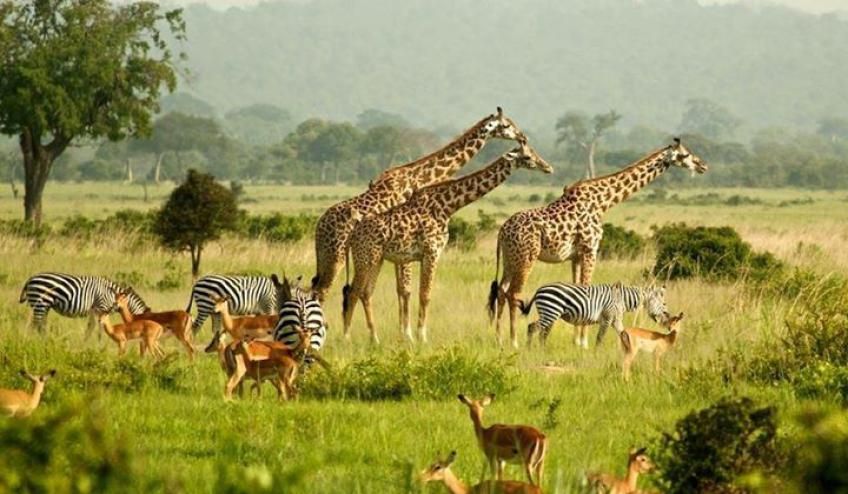
Ethiopia is significantly bolstering its standing as a formidable eco-tourism destination through diligent wildlife and natural resource conservation initiatives.
This pivotal role was underscored during the 60th-anniversary celebration of the Ethiopian Wildlife Conservation Authority (EWCA), where Tourism State Minister Sileshi Girma lauded the authority's six decades of dedication to safeguarding the nation's precious wildlife, natural resources, and intricate ecosystems.

Minister Girma highlighted the extensive endeavors undertaken by EWCA and its dedicated professionals over the past decades. These sustained efforts have been instrumental in positioning Ethiopia as one of Africa's leading nations in terms of natural resource diversity.
The country boasts a remarkable array of unique endemic wildlife species, including the iconic Ethiopian wolf, the majestic Walia ibex, and the distinctive Gelada baboon.
These species are powerful magnets for international visitors drawn to nature and wildlife tourism, forming the bedrock of Ethiopia's eco-tourism appeal.

To protect these invaluable wildlife habitats and preserve their ecosystems, the government has implemented various national parks and conservation programs.
This proactive approach not only ensures the survival of these species but also creates compelling attractions for eco-tourism.
Collaborative efforts with partners are further strengthening conservation and tourism development across numerous protected areas.
Notable examples include Omo National Park, Mago National Park, Chebera Churchura National Park, Nechisar National Park, Borena National Park, and Gambella National Park, all of which are vital to Ethiopia's biodiversity.
Sileshi emphasized that the synergy between Ethiopia's rich and diverse tourism resources and these robust conservation initiatives is unlocking new and exciting opportunities for eco-tourism development.
Complementing these efforts isthe impactful Green Legacy Initiative, an environmental program that plays a crucial role in ecosystem restoration, forest expansion, and overall biodiversity enhancement.

These environmental improvements directly support a wide array of eco-tourism activities, such as wildlife viewing, trekking through pristine landscapes, and diverse bird-watching experiences.
The state minister affirmed that these comprehensive conservation efforts are yielding tangible benefits, including a rise in tourist arrivals, increased foreign currency earnings, and the expansion of employment opportunities for Ethiopian citizens.
However, he also candidly acknowledged persistent challenges facing the sector.
These include the destructive impacts of illegal hunting, the complexities of wildlife trafficking, and the overarching threat of climate change, all of which necessitate resolute and coordinated action from all stakeholders.
In light of these challenges, Sileshi issued a fervent call to communities, international partners, and various sector actors to deepen their commitment and collectively sustain Ethiopia's hard-won wildlife conservation achievements.
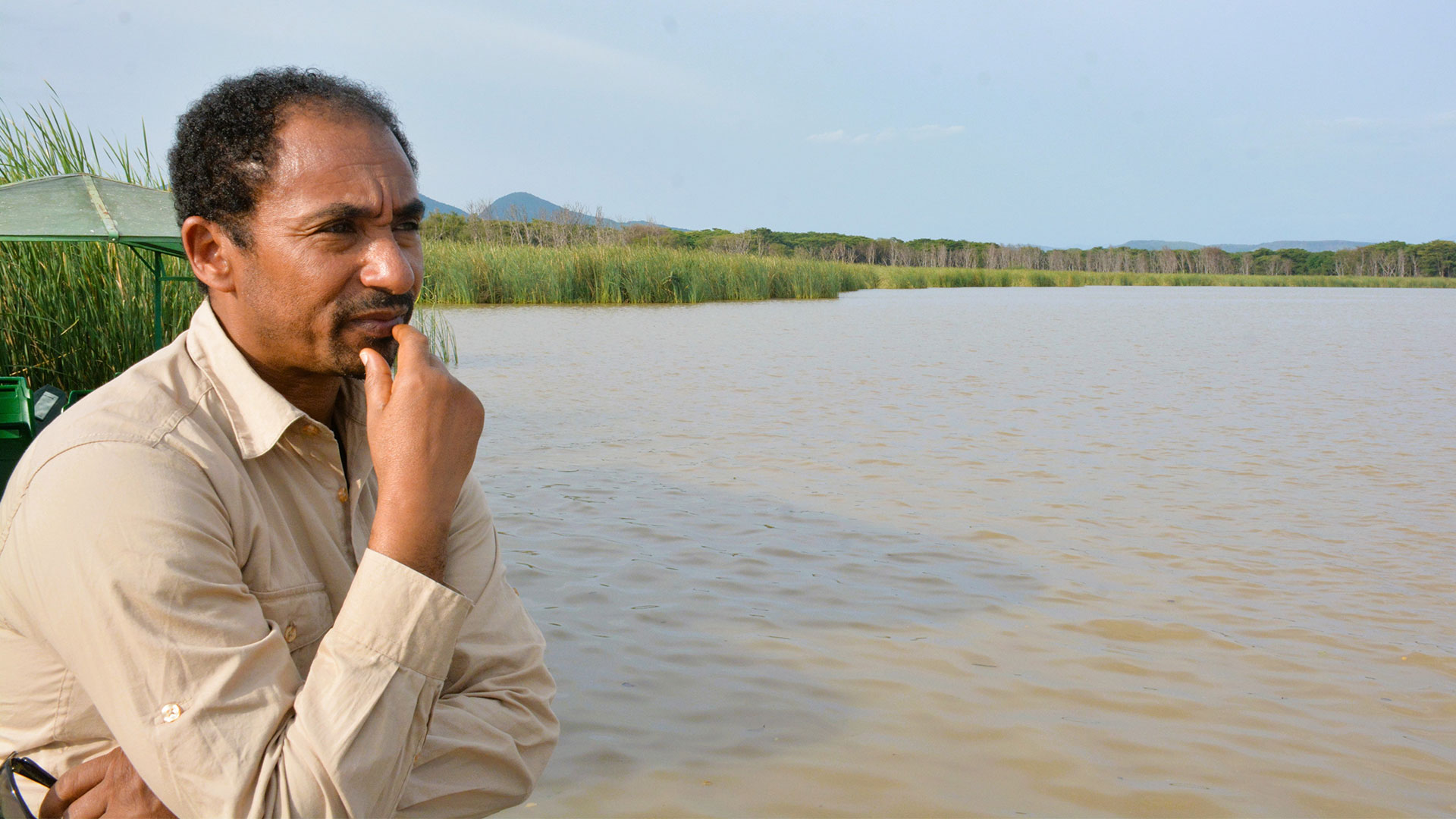
Echoing these sentiments, Kumera Wakjira, Director-General of the Ethiopian Wildlife Conservation Authority, proudly recounted the significant progress achieved by EWCA over its 60-year history.
This progress encompasses the successful establishment of numerous national parks, the vigilant protection of natural resources, and unwavering efforts to combat the illicit wildlife trade.
According to scientific studies conducted by the authority, a remarkable 87 distinct conservation areas have been identified across Ethiopia, further underscoring the nation's vast biodiversity and the scope of its conservation mandate.