Dangers of Artificial Sweeteners: What We Need To Know about Brain Aging
Zero sugar drinks, “diet” sodas, and sugar-free gum are everywhere, but are they quietly aging your brain while you manage your blood sugar? Here’s how artificial sweeteners may affect memory, thinking skills, and type 2 diabetes in Africa’s fast-changing food culture.
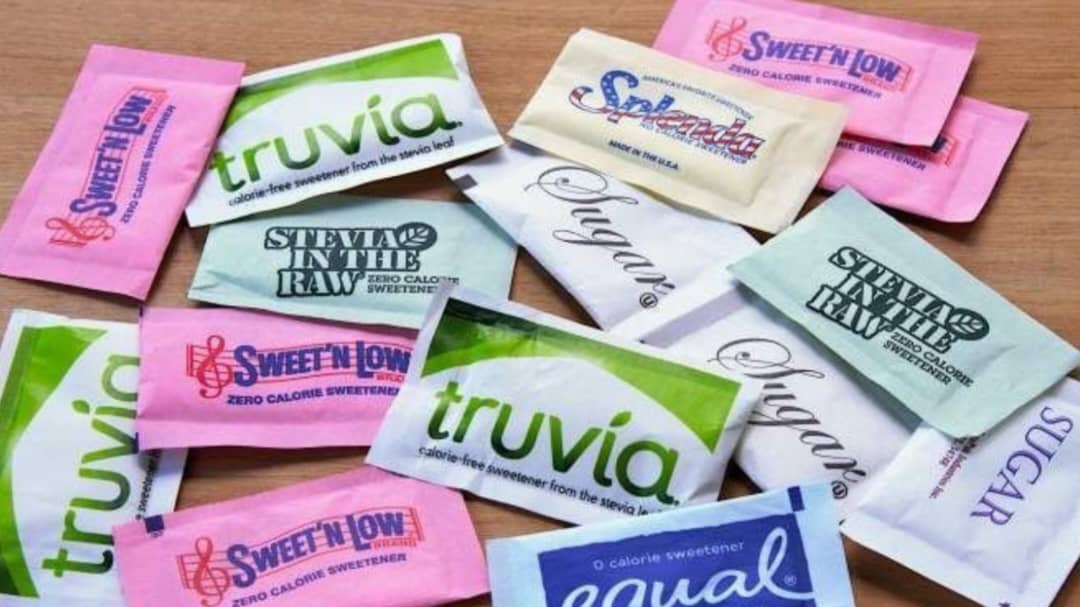
Artificial sweeteners were supposed to be the hack. Same sweet taste, fewer calories, calmer blood sugar. Swap your soda, grab the “zero” version, feel like you are making a healthy choice.
Now there is a twist. New data hints that loading up on sugar substitutes might be linked to faster brain aging, especially in memory and thinking. That does not mean one can of diet soda will melt your brain. It does mean the story is way more complicated than “fake sugar good, real sugar bad.”
Let’s unpack it, and this time talk about how it actually shows up in Africa, especially Nigeria where “sugar-free” is quietly everywhere from traffic jams to lecture halls.
Why Fake Sugar Took Over Our Drinks
Artificial and low calorie sweeteners are hiding under a lot of names: aspartame, sucralose, saccharin, acesulfame K, erythritol, xylitol, sorbitol, plus plant based ones like stevia and monk fruit. They show up in diet sodas, “zero sugar” drinks, sugar free gum, flavoured yogurt, “slim” biscuits, protein bars and even some medicines.
For people with type 2 diabetes, the logic has been simple. Sugar spikes your glucose. High glucose over time damages blood vessels and nerves and raises the risk of dementia. So swapping sugar for something that tastes sweet but barely affects blood sugar looks like a decent trade.
Regulators mostly agreed. The FDA and other agencies around the world have approved several sweeteners such as aspartame, sucralose and saccharin as safe within specific daily limits.
But over the last few years, things have gotten messy. Big health projects tracking people for years started noticing patterns: those who rely heavily on non sugar sweeteners often do not end up with amazing long term results. In some groups, heavy use has been linked with higher risks of heart disease or type 2 diabetes instead of lower.
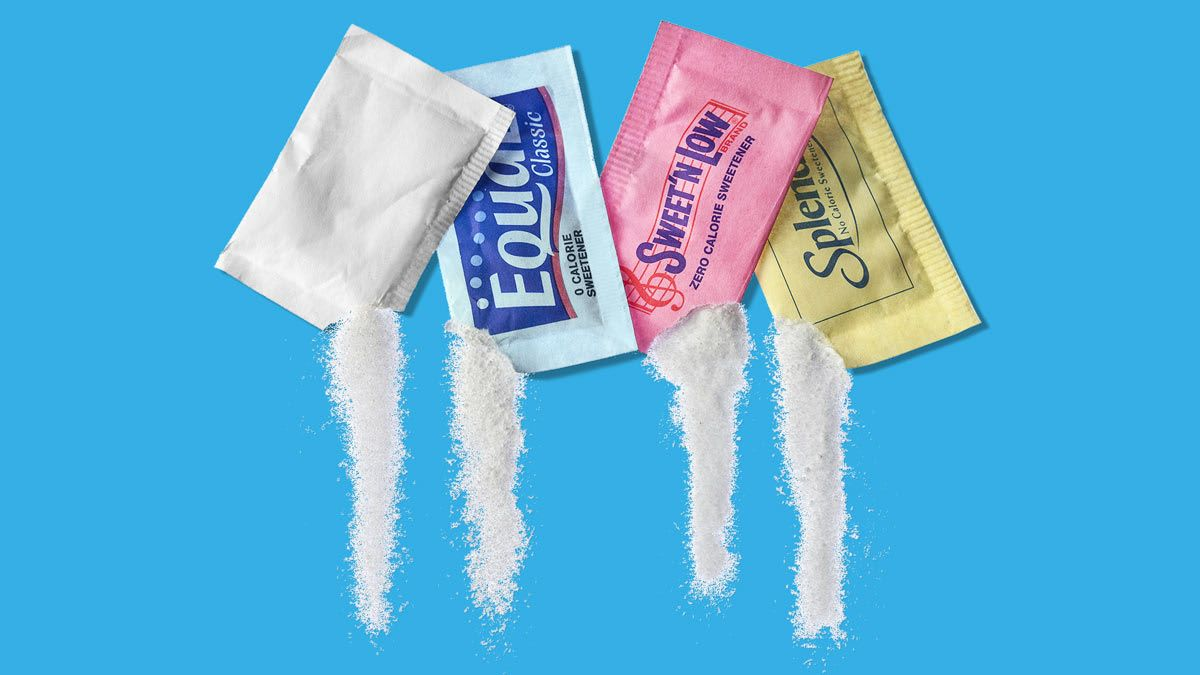
The World Health Organization has already said non sugar sweeteners should not be your main strategy for weight control or disease prevention, because the long term benefits are weak and the possible downsides are not fully clear.
Certain ingredients have been getting extra heat.
Erythritol, a sugar alcohol popular in “keto” and low carb products, has been linked with higher risks of heart attack and stroke in people already at cardiovascular risk, and lab work shows it can make blood more likely to clot.
Xylitol has also been tied to more heart events in people with high blood levels of it.
So fake sugar went from “safe shortcut” to “hold on, what is this really doing.” The latest question on the table is about your brain.
The Brain Aging Warning Sign
A large project from Brazil, published in the journal Neurology, followed more than ten thousand adults for around eight years. People were mostly in their 50s, and some had diabetes. They filled food questionnaires and took memory and thinking tests over time.
When the data was analysed, people who used the most low and no calorie sweeteners like aspartame, saccharin, acesulfame K, erythritol, xylitol and sorbitol tended to have faster drops in memory and thinking scores than those who used little or none. The difference matched about 1.6 extra years of brain aging across the study period.
The pattern was stronger in two groups:
People under 60
People living with diabetes

For certain skills like verbal fluency and memory, the decline in the heavy sweetener group was more than half again as fast as in the low sweetener group.
Important reality check though. This kind of project watches people’s real lives, it does not lock them in a lab and control every move. That means it shows a link, not proof that sweeteners directly cause brain decline.
Maybe people who love diet drinks also tend to sleep less, move less or eat more ultra processed foods. The researchers tried to adjust for age, education and some health conditions, but you never fully capture every detail of human life.
Still, when signals like this keep popping up alongside other warnings about heart and metabolic health, it is kind of reckless to keep pretending they are invisible. Especially for groups already at higher risk of dementia, like people with long term diabetes.
The main message from this new work is not “panic and throw away every zero sugar can.” It is more like: heavy, daily use of sugar substitutes is not neutral, and your brain might be feeling it too.
How We Use Artificial Sweeteners In Africa, Especially Nigeria
This is not just a “Western problem.” The way we eat and drink in many African cities has changed fast, and sweeteners are along for the ride.
Think about a normal day in Nigeria:
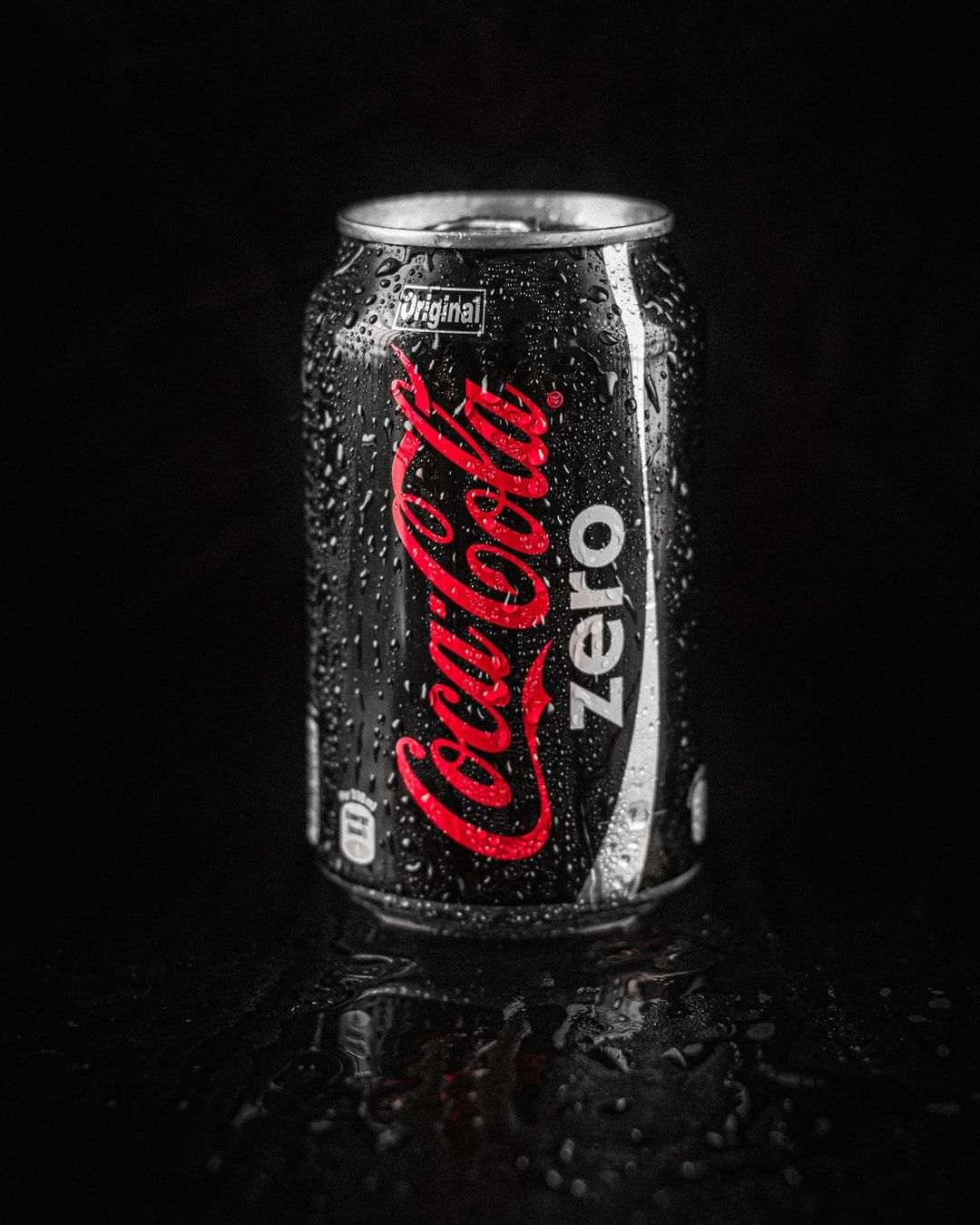
Morning, you grab a “no sugar added” yogurt or “light” biscuit from a kiosk. Afternoon, you are in traffic in Lagos or Abuja and buy a cold drink from a hawker, maybe Coca-Cola Zero Sugar or another “zero” soda because you are “watching sugar.” Coca-Cola itself pushes a zero sugar version in Nigeria that looks and tastes like the original but swaps sugar for artificial sweeteners.
On campus or at work, people chew sugar free gum all day for fresh breath. Local online supermarkets like Supermart and Jumia are full of sugar free Mentos and similar gums, often marketed as “perfect for diabetic patients” or “no calories.”
In malls and big supermarkets, you see:
Diet or “Zero” versions of imported soft drinks
Energy drinks with “no sugar” but plenty of sweeteners
“Slim” or “diabetic friendly” biscuits and crackers
Flavoured drink powders billed as low calorie
“Healthy” vitamin waters sweetened with something that is not sugar
On top of that, lots of Nigerians are now buying products through cross border e-commerce sites that deliver foreign diet sodas and sugar free snacks straight to their door.
The regulators know this is happening. NAFDAC actually has specific rules on non nutritive sweeteners, allowing them in low calorie or energy reduced foods and drinks, but only within limits and certain product categories.
And conversations have started in the media too. Nigerian outlets have run pieces raising concerns about aspartame and other sweeteners in soft drinks, especially since the World Health Organization labelled aspartame “possibly carcinogenic” and advised people not to rely on non sugar sweeteners to fix their diet.
So if you live in Nigeria or another African country, you are very likely getting sugar substitutes from:
“Zero sugar” and “light” sodas
Sugar free chewing gum
“No sugar added” or “diet” snacks
Low calorie drink mixes and “wellness” beverages
You might even be using them on top of a high sugar diet, which is like fighting fire with a different kind of fire. Lots of people still drink regular malt, sweetened juices and full sugar bottled drinks, then stack diet soda or sugar free gum on top and think it all cancels out. It doesn’t.
The point is, artificial sweeteners are not some far away thing only Westerners use. They are already woven into everyday life here, especially in cities and among people trying to manage weight or diabetes.
Protecting Your Brain And Blood Sugar Without Going Crazy
If you have diabetes in Nigeria or anywhere else, you cannot just dump sweeteners and run back to full sugar everything. That would spike your blood glucose and hurt your blood vessels, nerves and brain more. The goal is not to jump from one extreme to another. The goal is to step out of the extremes.
Start by actually noticing your sweet environment. It is not only obvious diet soda. It is also flavoured waters, sugar free gum, “zero” energy drinks, “diabetic” biscuits, instant drink sachets, sweetened “health” teas and even some cough syrups. Just being aware switches you out of autopilot.
Then, slowly give your taste buds a break. Let water become your default again. Add sparkling water with lime or cucumber, plain or lightly sweetened zobo instead of hyper sweet versions; or unsweetened tea or coffee with a splash of milk instead of three spoons of sugar or a ton of flavoured creamer.
When you are craving something sweet, aim for things that come with fiber and nutrients, like whole fruit, rather than another can of something engineered to taste like liquid candy. A small dessert after a balanced meal will treat your tongue without battering your blood sugar the way sipping sugary drinks all day does.
If you really like diet soda or sugar free gum, you don’t have to ban them from your life forever. Just stop letting them be the main characters. Think of them as once in a while extras instead of everyday essentials. Your future brain will thank you for not living on “zero sugar” everything.
And remember, your brain health is not decided only by what you drink. Movement, sleep, stress, blood pressure, smoking, alcohol, social life, learning new things – all of that matters. Protecting your mind is a whole lifestyle, not one magical ingredient swap.
Artificial sweeteners are not pure evil, but they are also not invisible. In a place like Nigeria where full sugar drinks and “diet” products are both everywhere, the safest flex is simple:
Less sugar
Less fake sugar
More real food
More plain water
You do not need to live in fear of every “zero” label, but you also do not need to build your whole diet around it. Dial the sweetness down overall, from any source, and you’ll be doing your brain, your blood sugar and your future self a quiet, serious favour.