Critics & Director Unpack the Terrifying Psychological Horror of 'The Plague' Movie
Charlie Polinger's "The Plague" is an unconventional horror film that recreates the psychological torment of junior high, centered around a 12-year-old navigating a water polo camp and a cruel bullying dynamic. The movie explores themes of social awkwardness and body horror, offering an intense and unforgettable look at adolescence that resonates deeply with viewers' own memories. It features powerful performances from its young cast and delves into broader social implications of collective behavior and fear.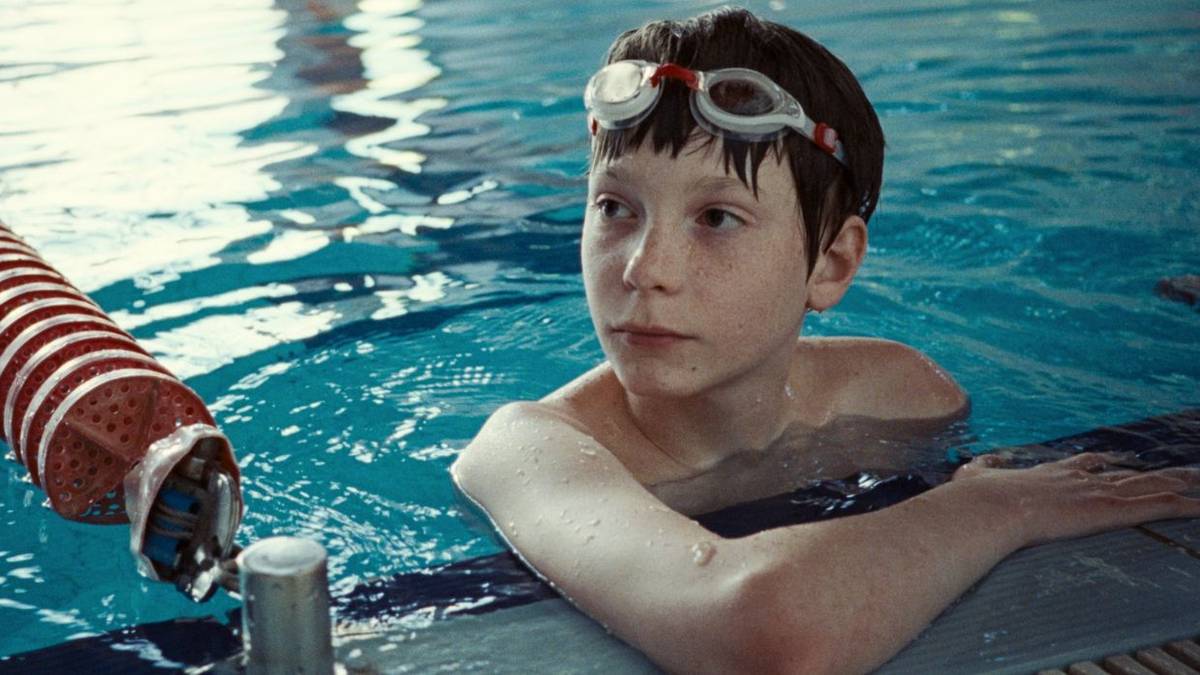
The film "The Plague," directed by Charlie Polinger, delves into the terrifying and often uncomfortable realities of junior high years, reimagining this period as a form of psychological torment rather than a traditional horror story. Drawing parallels to the awkwardness and pain experienced between the ages of 11 and 13, Polinger's directorial debut leverages the setting of a water polo summer camp and the concept of severe acne as body horror to create an undeniably scary and unforgettable cinematic experience. For those who recall the profound discomfort of adolescence, "The Plague" is designed to resonate deeply.
Set in the summer of 2003, the narrative unfolds through the eyes of 12-year-old Ben (Everett Blunck), a newcomer to town who joins an ongoing water polo camp. Socially awkward, Ben desperately tries to integrate himself with the "cool guys" – a clique led by Jake (Kayo Martin) that makes crass jokes, annoys their coach Daddy Wags (Joel Edgerton), and relentlessly picks on Eli (Kenny Rasmussen). Eli, a total outcast, is shunned due to a prominent rash on his back, which the bullies refer to as "the plague." Ben, despite initial attempts to avoid Eli to fit in, cannot bring himself to be cruel. His inherent kindness leads him to eventually befriend Eli, with whom he bonds over shared interests like "The Lord of the Rings" and similar upbringings. However, Ben's anxieties escalate as Jake, who had already warned him about "catching the plague" by associating with Eli, begins to target Ben himself, insinuating that he might be a carrier.
"The Plague" offers an excruciatingly tough viewing experience for anyone with vivid memories of difficult adolescent periods or parents of young boys, frequently inducing cringing and squirming. Polinger masterfully crafts an overstimulating atmosphere through elevated sound design and a score by Johan Lenox, more akin to a true horror film, all designed to evoke a constant sense of unease. Even moments of levity, such as Ben and Eli bonding in the sauna or Ben confiding in Coach Wags, are imbued with anxiety and dread, making the film's more violent turns feel genuinely nauseating. While intensely emotional, the film never loses its grip on realism; even surreal dream sequences feel authentic to a 12-year-old's perspective. Unlike other films addressing this period, such as Bo Burnham's "Eighth Grade," which often use comedy as a coping mechanism, "The Plague" maintains an almost cynical, tense atmosphere throughout, a testament to Polinger's commendable commitment to his vision.
The film features remarkable performances from its young cast. Everett Blunck, despite the presence of veteran actor Joel Edgerton, carries the film as Ben. His portrayal of a socially awkward yet endearing 12-year-old is instantly relatable, making viewers root for him to persevere. Kayo Martin delivers an unforgettable performance as Jake, perfectly capturing the essence of a tweenage bully. Martin's bold depiction of an unlikable yet terrifyingly real character, hinted to possess his own inner turmoil, is noteworthy. Kenny Rasmussen portrays Eli with rawness and empathy, showcasing his quirks and torment, from confidently dancing to Moby to silently sulking.
Polinger revealed the film's genesis during a COVID quarantine, where revisiting childhood journals brought back intense, buried memories of "the Plague" game and old acquaintances. He notes the cross-generational and cross-cultural resonance of the film's themes, explaining how a seemingly "dumb game" transforms into a terrifying reality through collective participation and fear of social ostracization. Polinger connects these dynamics to broader social structures, including authoritarianism, where "myths are made" and collective belief solidifies them, particularly when charismatic figures like Jake enforce the rules. The film, though specific to its 2003 setting without cellphones, speaks to timeless human instincts and power dynamics.
Despite its R-rating and graphic depictions, including self-harm, "The Plague" is considered a vital cinematic exploration of being 12 or 13 years old. It aims to impact young men by offering a reflection of their own experiences. "The Plague" opened in select theaters on December 24 and expanded everywhere on January 2. Looking ahead, Charlie Polinger is set to adapt Edgar Allan Poe’s “The Masque of the Red Death,” starring Oscar winner Mikey Madison, promising a "bombastic, irreverent, dark comedic tale" that, despite its medieval, fantastical setting, will continue to explore claustrophobic group dynamics from a different genre and tone.