Crisis on the Roads: Fuel Shortages Cripple South African Travel

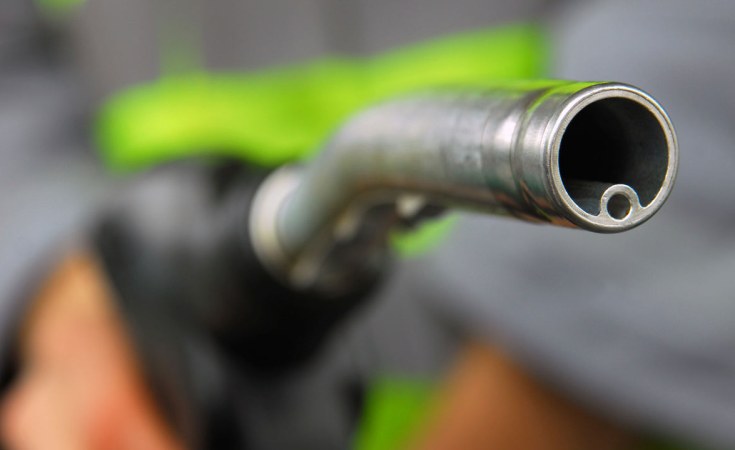
Travel professionals in South Africa are grappling with immediate operational challenges as widespread fuel shortages emerge across multiple provinces, just hours before historic price increases are set to take effect. This disruption comes at a critical time, with the impending Easter holiday period seeing thousands of motorists preparing for long-distance trips, demanding urgent attention for those involved in planning self-drive itineraries, safari transfers, and other ground transportation services.
Reports indicate that over 140 petrol stations have temporarily run dry across the country, straining the national fuel delivery system. Provinces affected include Gauteng, the Western Cape, Free State, North West, and Northern Cape, with diesel supplies experiencing the most acute pressure. Specific towns like Kakamas and Upington have seen complete depletion of fuel stations, while other areas have implemented rationing measures, limiting purchases to between 40 and 100 litres per customer.
The root causes of these shortages are multifaceted, rather than indicative of a complete collapse in national supply. A significant factor is the surge in panic buying, as motorists rush to fill their tanks ahead of the substantial price adjustments scheduled for Wednesday, April 1, 2026. This sudden spike in demand has overwhelmed distribution logistics, creating bottlenecks that leave individual stations temporarily without stock, even though overall national reserves remain adequate. The Fuels Industry Association of South Africa has confirmed the stability of national supply levels, though product availability, especially for diesel, remains tight.
The upcoming price increases represent a historic financial burden for South African motorists and the travel industry. Official figures confirm petrol prices will rise by over R3 per litre, while diesel increases will exceed R7 per litre, with some projections suggesting diesel could climb by as much as R10 per litre. These adjustments will significantly elevate fuel costs, impacting the economics of road travel, car hire operations, and tour logistics throughout the country.
Beyond local market dynamics, the underlying reasons for these price hikes are driven by global factors. Sharply rising global oil prices, exacerbated by ongoing conflict in the Middle East, continue to disrupt international fuel supply chains. A weaker rand further compounds the issue, increasing the cost of imported petroleum products. Additionally, a fuel levy increase contributes to the upward pressure at the pump. Industry observers have described this confluence of factors as a perfect storm for South African consumers.
For travel businesses, the implications are considerable. Self-drive holidays, a popular choice for both domestic and international visitors exploring South Africa's diverse landscapes and wildlife destinations, now carry heightened uncertainty. Clients embarking on journeys through remote areas face genuine risks if refuelling stops are not meticulously planned. Tour operators managing vehicle fleets must factor substantially higher operating costs into their pricing for April and potentially beyond.
Practical guidance for travellers during this period emphasizes conservative planning and flexibility. Filling up early and frequently, rather than waiting for the next town, can mitigate exposure to localized shortages. Travellers should anticipate queues and delays at busy stations, especially in urban centres, to manage schedules realistically. Avoiding dependence on fuel availability in isolated regions is crucial to prevent being stranded. Furthermore, budgeting generously for increased fuel expenditure throughout the month will ensure clients are not caught off guard by the new pricing reality.
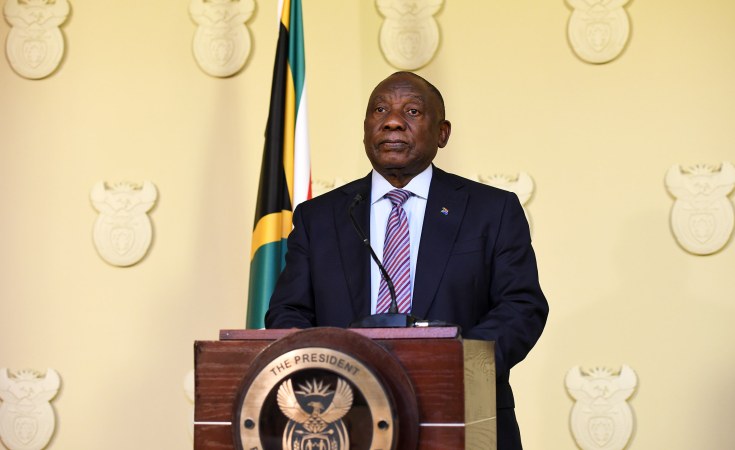
Government authorities have provided assurances that fuel shipments for the coming weeks are secured, suggesting that widespread, prolonged shortages are unlikely. President Cyril Ramaphosa has instructed the finance minister to develop relief measures aimed at cushioning the impact on households and businesses, though the materialization of temporary levy adjustments or other interventions remains to be seen. For African travel professionals, this situation underscores the critical importance of real-time monitoring and proactive client communication. Conditions on the ground can shift rapidly, and businesses that provide timely and accurate guidance will strengthen their reputations during this challenging period. The lessons learned this week will undoubtedly inform better contingency planning for future disruptions as fuel dynamics stabilize.
You may also like...
Tottenham Shakes Up Coaching Staff: De Zerbi Replaces Tudor!

Tottenham Hotspur has appointed Roberto De Zerbi to replace Igor Tudor, with the club facing a critical Premier League r...
Super Eagles' Jordan Showdown: Lineups, Predictions, and Live Action Unfold!

The Super Eagles of Nigeria are set to face Jordan in an international friendly in Turkiye, pivotal for both teams' prep...
Super Mario Galaxy Movie Dominates: Nintendo's Sequel Reviewed, Rivals Challenged

"Project Hail Mary," the Ryan Gosling sci-fi hit, has achieved remarkable box office success, notably with a significant...
Hollywood's Most Puzzling Question: Why Are Hotel Carpets So Wild?

Ever wondered why hotel carpets are often strikingly patterned? This article delves into the dual aesthetic and practica...
New Skies: Mozambique and Kenya Forge Direct Flight Link to Boost Regional Ties

Mozambique and Kenya are renewing efforts to establish direct flights between Maputo and Nairobi, following high-level d...
Crisis on the Roads: Fuel Shortages Cripple South African Travel
South Africa is facing widespread fuel shortages across multiple provinces just before historic price increases take eff...
Luxury Reimagined: 2027 Mercedes-Benz GLS Flaunts Radical Interior Refresh and Tech Boost

The 2027 Mercedes-Benz GLS receives a comprehensive midcycle update, enhancing its status as the "S-Class of SUVs" with ...
Future Unleashed: 2027 Mercedes-Benz GLE Redefines Power and Presence with Next-Gen Tech

Mercedes-Benz introduces a comprehensive midcycle update for its 2027 GLE, GLE Coupe, and AMG 53 HYBRID models, promisin...