CBN Is Quietly Restructuring Diaspora Money — Here’s What Is Changing
Nigeria is changing how diaspora remittances enter the country, from a May 2026 CBN directive forcing naira-only settlements to a new FMBN mortgage scheme letting Nigerians abroad buy homes digitally. Here is everything changing and what it means for you.
A recent pattern is gaining momentum in Nigeria's economic policy that deserves to be read as a whole and fully understood for everyone who actively participates in Nigeria's Remittance economy.
The Central Bank of Nigeria has moved to tighten how diaspora remittances enter the country. A regulatory deadline of May 1, 2026 has been set that will fundamentally change how money sent home from the diaspora is received and settled.
Also the Federal Mortgage Bank of Nigeria has launched a structured mortgage product specifically designed for Nigerians abroad.
These are not coincidental announcements. They are pieces of the same strategy and if you are a Nigerian living outside the country, every single one of them affects you directly.
Your Remittances Are Being Rerouted — Here Is What Is Changing

Nigeria's diaspora sent home $20.1 billion in 2024 alone. That figure, already staggering, excludes the billions more that move through informal channels, daily business transfers, cash carried by travellers, and peer arrangements that bypass the banking system entirely.
The CBN has decided that this era of partially visible, partially traceable remittance flows is over.
From May 1, 2026, all International Money Transfer Operators, Western Union, MoneyGram, WorldRemit, and every other licensed platform, must route all remittance transactions exclusively through dedicated naira settlement accounts maintained with authorised dealer banks in Nigeria.
The circular, signed by Musa Nakorji, Director of the Trade and Exchange Department, is direct: no remittance inflow, no beneficiary payment, no settlement of any kind may bypass these accounts.
What this means practically is significant. Beneficiaries in Nigeria will receive payments in naira only, not US dollars, not other foreign currencies, not into domiciliary accounts.
The foreign currency comes in, gets converted, and lands in naira. IMTOs have flexibility to designate existing accounts or open new ones across multiple authorised dealer banks, but the channel is now fixed and formal.
The CBN has also directed IMTOs to reference real-time exchange rates from Bloomberg BMatch when pricing transactions, a measure designed to close the gap between what banks offer and what the parallel market provides, reducing the incentive to route money through unofficial channels.
For the average Nigerian in the UK, Canada, or the United States sending money home monthly, the mechanics of how their transfer is processed will change.
The naira equivalent of what they send will now be determined by official market rates, logged in the formal banking system, and fully visible to the regulator.
Whether this ultimately means better or worse rates for recipients depends on how effectively the CBN manages the official market, but the era of choosing between formal and informal channels for better value is being deliberately narrowed.
Your Remittances Can Now Buy You a Home — If You Plan Ahead
At the same time the CBN is redirecting how remittance money flows into Nigeria, the Federal Mortgage Bank of Nigeria is making an unprecedented case for where some of that money should go.
The FMBN Diaspora Mortgage Loan, developed in collaboration with the Nigerians in the Diaspora Commission, is designed to convert the billions Nigerians send home annually into structured, secured homeownership, without requiring physical presence in Nigeria at any point in the process.
The structure is worth understanding in detail. Eligible Nigerians aged 18 and above register through a dedicated digital platform and make monthly contributions in foreign currency, typically between $100 and $200 depending on income level.
After a minimum of 12 consecutive months of contributions, applicants become eligible to apply for mortgage loans of up to ₦100 million through accredited Primary Mortgage Banks.
The interest rate is 9%, single digit, fixed, with a maximum repayment tenor of 10 years and a minimum equity contribution of 10% of the property value.

Crucially, loan disbursements go directly to verified developers, not to individual applicants.
The financed property serves as collateral and is comprehensively insured. Repayment is made in naira, with flexible monthly, quarterly, or annual options.
The entire process, registration, contributions, documentation, loan application, repayment, is managed digitally.
For Nigerians abroad who have watched their savings disappear into fraudulent land deals, unverifiable agents, and abandoned projects, the institutional structure here matters.
NiDCOM verifies applicants, accredited mortgage banks conduct due diligence. Funds never pass through individual hands on the way to a property.
This is not a promise, it is a framework, and whether it delivers depends entirely on implementation discipline.
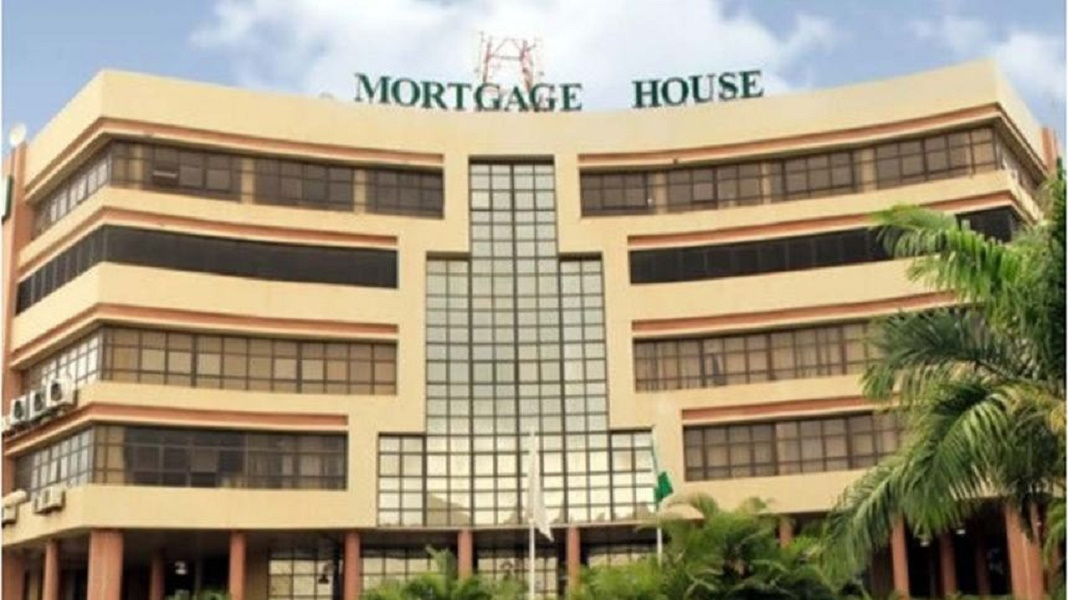
But the architecture is more credible than anything previously available to diaspora homebuyers.
The economic implications extend beyond individual homeownership. Nigeria's housing deficit runs into millions of units.
The diaspora population of 17 to 20 million people represents a financing pool that, even partially tapped, could generate tens of billions of naira monthly in structured mortgage capital.
Cities including Lagos, Abuja, Port Harcourt, Enugu, and Kano stand to benefit from developer confidence driven by pre-qualified, financed buyers.
Construction activity stimulates cement, steel, labour, and transportation, a multiplier effect that converts remittances into domestic economic activity rather than consumption.
What This All Means If You Are Nigerian and Living Abroad

Read together, these policies tell a clear story. Nigeria is not simply asking its diaspora for money, it is building the infrastructure to capture, direct, and deploy that money more deliberately than at any point in recent history.
The CBN wants remittances fully visible in the formal market. The FMBN wants a portion of those remittances converted into long-term mortgage capital.
Both institutions are operating on the same underlying logic: diaspora money is Nigeria's most stable non-oil foreign exchange source, and it has been underutilised for too long.
For Nigerians abroad, the opportunity is real, but so is the obligation to stay informed. The May 1 deadline will change how your transfers land at home.
The mortgage scheme offers a structured path to property ownership that did not previously exist in this form.
Whether these policies deliver their stated goals or become another layer of well-designed but poorly executed Nigerian financial infrastructure is a question only time and implementation will answer.
What is clear is that Nigeria is paying more attention to its diaspora than it has in years.
The question now is whether the diaspora will pay attention back.