Breathing Easy: Navigating Life with Asthma Confidently
Living with asthma can be challenging, but it doesn’t have to hold you back. You can manage triggers, take treatments, and make lifestyle choices so you can breathe easier and live confidently every day.

If you are living with asthma, you will be able to relate well with what you are about to read.
Living with asthma can feel like walking a tightrope.
Because you can be doing something as simple as climbing stairs, and there’s an attack, a sudden cough or tightness in your chest.
It’s frustrating, even scary at times,
Because there will always be this thought that your lungs don’t always cooperate.
Besides that, you might not even want people to know that you are asthmatic, not because of anything, but you probably might feel embarrassed.
I have a friend that tries as much as possible to keep her inhaler private always, she does not want to be seen with it.
I had always thought of the reason, but after having a conversation with her when the situation warranted it, what she said made me understand why she does that.
The embarrassment was not coming from the fact that she feels or sees her situation as being disadvantaged, but the questions people keep asking once they get to know, and the kind of impression they leave unconsciously.
Aside from that, many people living with asthma live in fear.
For the millions of people worldwide who have asthma, it’s a daily balancing act but it doesn’t have to hold you back.
With the right knowledge, preparation, and mindset, you can manage asthma and still live a full, confident life.

Asthma is a long-term condition that makes your airways swollen and sensitive, so breathing can become difficult at times.
You might notice wheezing, shortness of breath, a tight chest, or a stubborn cough. These symptoms flare up at unpredictable moments, which can be frustrating and scary.
But asthma is manageable, knowing what triggers your symptoms and having the right plan can make a huge difference in how you live your life.
Spotting What Triggers Your Asthma
One of the first steps to feeling more in control is understanding what sets off your symptoms. Common triggers include:
Allergens like dust, pollen, pet hair, or mold.
Environmental factors such as smoke, pollution, or strong odors.
Exercise, especially if your body isn’t warmed up properly.
Stress and strong emotions, which can tighten your chest and make breathing harder.
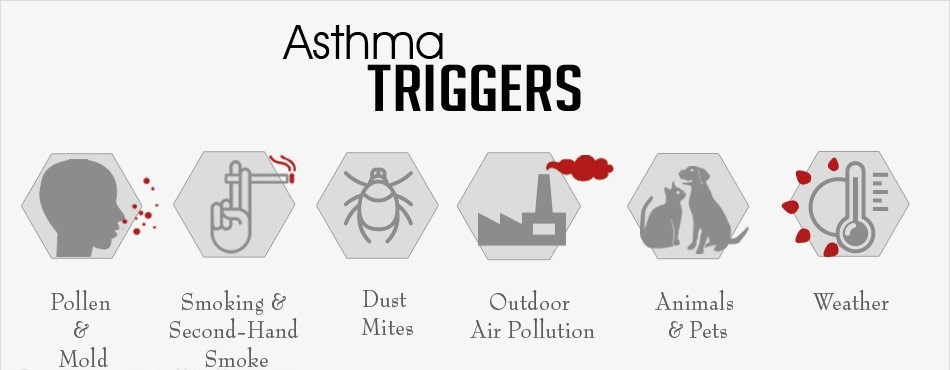
Credit: medindia.net
A simple habit like keeping a journal of symptoms can help you spot patterns and avoid flare-ups before they happen.
Some people even discover surprising triggers like changes in the weather or certain household cleaners.
Many people also experience exercise-induced asthma, where physical activity temporarily narrows their airways.
But with the right warm-up, breathing techniques, and medications, exercise can actually improve lung health and stamina.
You have tools that can stop an attack in its tracks or prevent flare-ups from happening at all.
Quick-relief inhalers give you almost immediate relief when your chest tightens.
Preventive medications reduce inflammation in your airways so attacks happen less often.
Allergy treatments can help if your asthma is triggered by pollen, pets, or dust.
Inhalers work directly in your lungs, making them fast and effective with minimal side effects.
Having a personalized asthma action plan with your doctor can make you feel confident that you’re prepared for any flare-up.
Your lifestyle plays a big role too. Small, consistent habits can make a huge difference:
Exercise regularly, especially low-impact activities like swimming, yoga, or walking. It strengthens your lungs and improves overall health.
Maintain a healthy weight to avoid putting extra pressure on your lungs.
Avoid smoking and polluted environments, which can worsen symptoms dramatically.
Stay up to date with vaccines, like flu and pneumonia shots, to protect your lungs from infection.

Breathing exercises, like diaphragmatic breathing or pursed-lip breathing, can also help you feel more in control during flare-ups.
People who practice mindful breathing can reduce the severity and frequency of attacks.
Living an Active, Confident Life
Now to the part I find non-negotiable, Asthma doesn’t mean you have to sit on the sidelines.
Countless athletes, performers, and everyday people live full lives with asthma.
The key is preparation is carrying your inhaler, warming up before exercise, and understanding your limits.
Once you know how your body reacts, fear starts to fade, and confidence takes its place.
And you definitely should not feel embarrassed for nothing, regardless of what people might say or how they react.
Michael Phelps, despite having asthma, became one of the most decorated Olympic swimmers in history.

Caption: Phelps’ Journey with Asthma: From Diagnosis to Olympic Glory
His condition didn’t hold him back, he learned to train smart and work with his body.
You can do the same in your own life.
You are capable, your lungs are resilient, and a flare-up doesn’t have to stop your plans.
You are like every other normal person and you should be confident and carry yourself beautifully in your flare-up’s.
Every step you take to manage asthma is a step toward freedom, confidence, and a life that feels full, not restricted.