Africa's Mineral Gold Rush: A Looming Geopolitical Battle for Resources
Africa is experiencing a new, quieter scramble centered on critical minerals essential for the global green transition. Regional blocs like SADC, ECOWAS, and EAC hold immense potential to leverage these resources for continental industrialization, provided they act strategically and cooperatively to avoid merely supplying raw materials.
A Quieter Scramble, A Deeper Stakes
A profound shift, often termed a 'new scramble for Africa', is currently unfolding, characterized not by historical colonial markers but by the intricate demands of global battery supply chains, ambitious green transition targets, and high-level trade delegations.
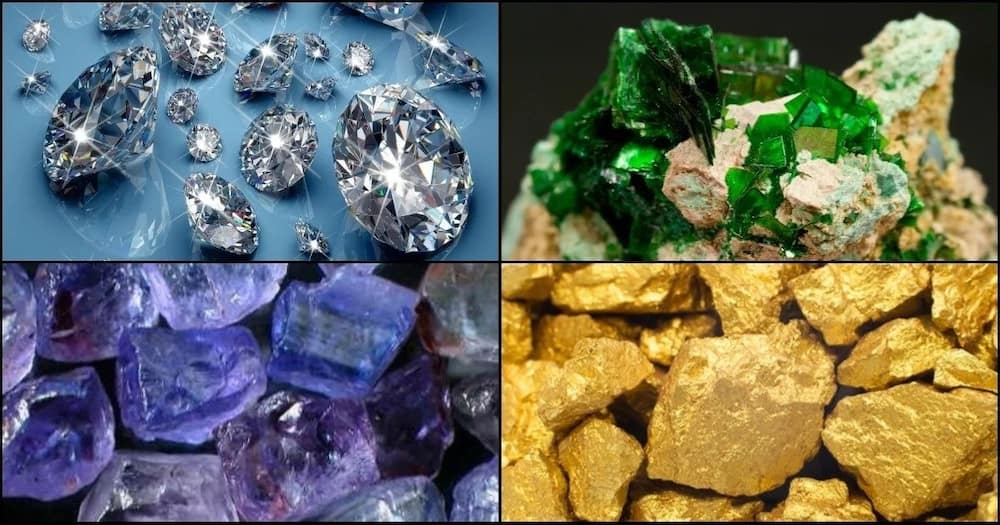
At its core, this modern scramble is a race for critical minerals such as lithium, cobalt, graphite, manganese, platinum group metals, and rare earth elements, which are indispensable for electric vehicles, renewable energy systems, and the ever-expanding digital infrastructure.
While significantly quieter than its 19th-century predecessor, the implications of this new dynamic could be equally far-reaching.
Regional Blocs: Power or Fragmentation?
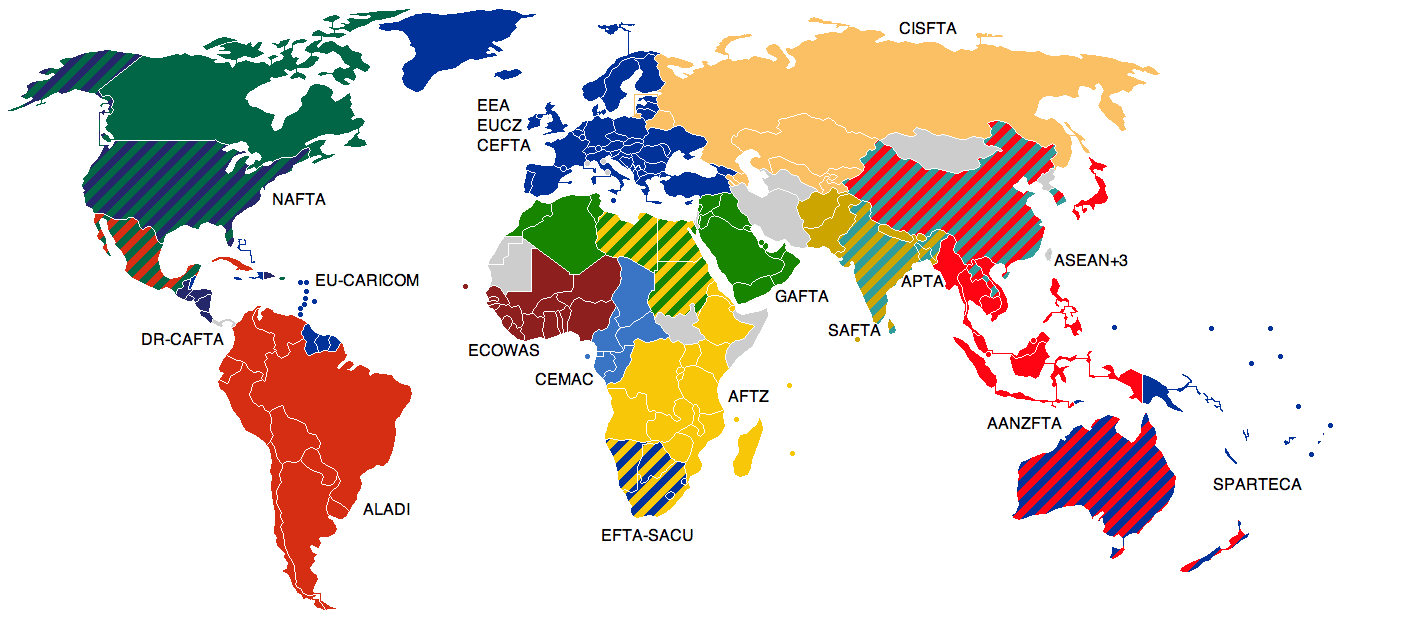
A crucial distinction in this contemporary scenario is Africa's evolved political landscape. The continent is no longer fragmented in the same manner as centuries past, now possessing regional economic blocs with the inherent institutional capacity to significantly influence outcomes.
This hinges on whether these blocs choose to act strategically and cooperatively, rather than competitively.
The Southern African Development Community (SADC) finds itself at the epicenter of the global energy transition mineral map. The Democratic Republic of Congo stands as a dominant force in cobalt production, while Zimbabwe holds substantial lithium deposits.
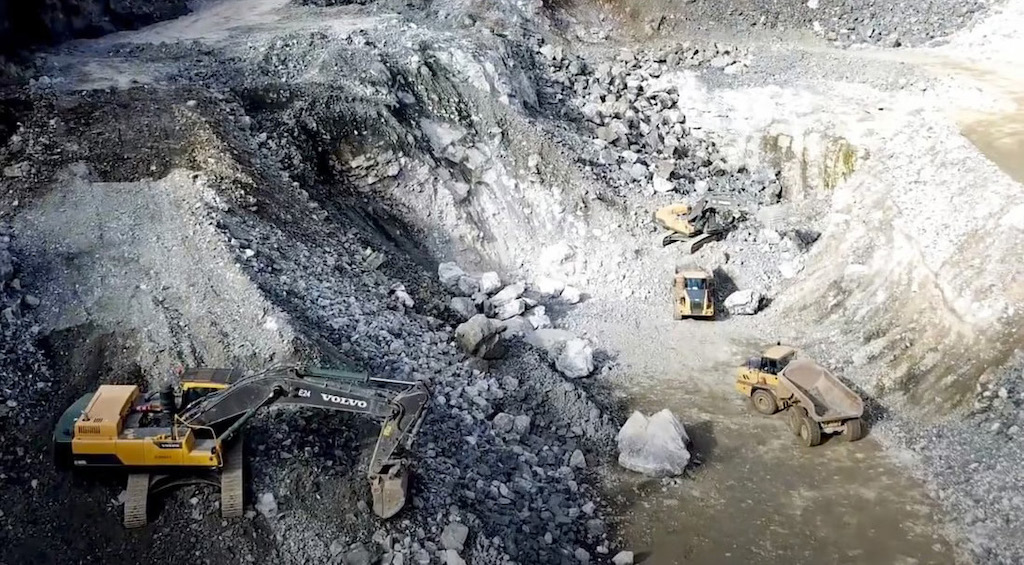
South Africa controls vast reserves of platinum and manganese, and Zambia remains pivotal to the global copper supply. Despite this remarkable concentration of strategic resources, the region predominantly engages in raw exports, with limited value addition occurring locally.
If SADC members collaborate, they possess the potential to coordinate beneficiation policies, harmonize royalty regimes, and foster the development of cross-border battery precursor industries.
Conversely, a failure to act collectively risks member states undercutting one another in a race to attract foreign capital, thereby significantly weakening Africa's overall negotiating power.
In West Africa, the Economic Community of West African States (ECOWAS) confronts a distinct yet equally critical challenge. Countries like Guinea, with its bauxite reserves, Ghana, with promising lithium prospects, and widespread gold deposits, position the region as a significant mineral heavyweight.
However, persistent governance instability and political fragmentation threaten to transform these opportunities into vulnerabilities. Without harmonized regulatory frameworks, multinational corporations are prone to engage individual states, exploiting policy gaps and existing asymmetries to their advantage.
Meanwhile, the East African Community (EAC) is emerging asa holder of strategic mineralssuch as graphite and rare earth elements. The EAC's commendable progress in customs integration and the implementation of common market protocols offer a robust foundation for a coordinated industrial policy.
The pertinent question, however, is whether this established framework will extend beyond mere trade facilitation to encompass strategic mineral processing and regional manufacturing initiatives.
A Continental Vision at Risk
On a broader continental scale, the African Union has long championed the African Mining Vision, a comprehensive blueprint for resource-based industrialization. Yet, visions require concrete enforcement mechanisms.
The African Continental Free Trade Area (AfCFTA) presents an unparalleled platform to transform mineral extraction into intricate continental value chains.
Nevertheless, without a cohesive alignment between regional blocs and the overarching continental strategy, AfCFTA risks becoming primarily a trade corridor for raw exports, rather than a powerful catalyst for genuine industrialization.
Contracts, Not Colonies: Who Truly Benefits?
This new scramble for Africa is non-violent; it is contractual. It unfolds through a complex web of memoranda of understanding, sophisticated infrastructure financing agreements, and high-level strategic partnership summits.
European nations are actively seeking supply chain security, China is securing long-term offtake agreements, and the United States and Gulf states are markedly increasing their engagement.
While none of these interactions are inherently exploitative, the absence of robust coordination risks Africa once again supplying raw materials while simultaneously importing the finished products.

Therefore, regional blocs must transcend mere declarations and proactively establish common mineral pricing principles, mandatory regional beneficiation targets, transparent contract registries, and sovereign mineral funds designed to capture intergenerational value.
Crucially, infrastructure corridors must be strategically designed to serve industrialization goals, not merely to facilitate raw material extraction.
The stakes are unambiguously clear. Critical minerals possess the potential to either anchor Africa's structural transformation, propelling it towards a new industrial era, or, conversely, to entrench dependency under the guise of a 'greener' banner.
Unlike the past, Africa is now equipped with institutions. The defining question of our time is whether its regional blocs will choose to act as passive gateways for extraction or emerge as the strategic architects of a genuinely new industrial future. History, indeed, is watching.