BoG's Gold Catastrophe: Billions Lost, Programs Audited Amid Calls for Urgent Reform
The Bank of Ghana (BoG) has revealed significant financial losses from its Domestic Gold Purchase and Gold-for-Reserve programmes between 2022 and 2024, with 2025 figures pending an external audit amidst public debate. Governor Dr. Johnson Asiama defends these as deliberate national choices for economic stability, while calling for unified national reform to improve efficiency and curb leakages in Ghana's gold trading framework.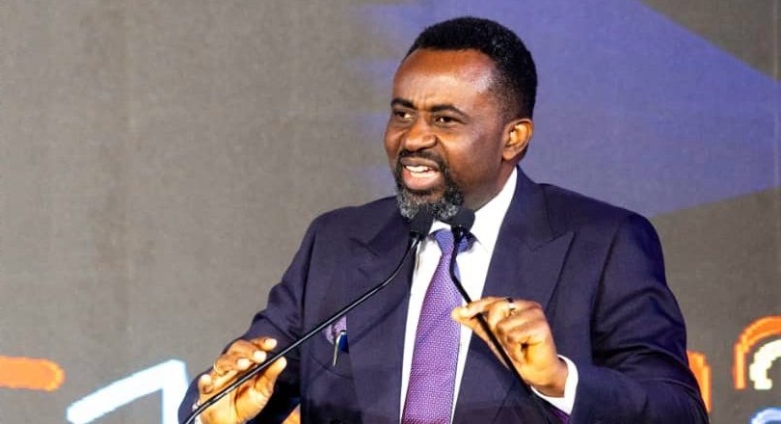
A recent Right to Information (RTI) request by Asempa FM's Ekosiisen programme has compelled the Bank of Ghana (BoG) to release extensive data on financial losses incurred under its Domestic Gold Purchase Programme (DGPP) and Gold-for-Reserve (G4R) initiatives. Filed on January 7, 2026, by Philip Osei Bonsu, the request sought clarity amidst public debate, notably an International Monetary Fund (IMF) claim of a US$214 million loss in the G4R programme. In its January 12, 2026, response, the BoG provided year-by-year gold purchase volumes, values, and net losses for 2022, 2023, and 2024, but explicitly withheld 2025 figures, citing "pending external audit confirmation."
The disclosed data reveals significant financial burdens. Under both the Gold for Oil (G4O) and Gold for Reserves (G4R) programmes, including transactions involving artisanal and small-scale mining (ASM) gold, total net losses amounted to GH¢74.44 million in 2022, GH¢1.37 billion in 2023, and a staggering GH¢5.66 billion in 2024. Separately, the G4O programme alone recorded net losses of approximately GH¢74 million in 2022, increasing to GH¢317.69 million in 2023, and a much larger GH¢1.8 billion in 2024, leading to cumulative losses of about GH¢2.2 billion over three years. The G4R programme, while not recording net losses in 2022, faced losses of slightly over GH¢1 billion in 2023 and about GH¢3.8 billion in 2024.
For 2025, the BoG indicated a sharp rise in gold purchases to 110.99 tonnes, valued at approximately US$11.4 billion, including 100.6 tonnes of ASM gold. However, the central bank declined to state the associated losses, maintaining that these figures are awaiting the conclusion of an external audit. The IMF's Fifth Review Report had previously cited trading shortfalls and high off-taker fees as contributors to an alleged US$214 million loss within the first nine months of 2025, a figure the Bank of Ghana has consistently described as speculative.
Governor Dr. Johnson Asiama, appearing before Parliament’s Public Accounts Committee (PAC), has robustly defended the programmes, describing the incurred losses as a "deliberate national choice" made in the wider public interest. He stressed that these initiatives were crucial for economic stability during a period of dangerously low foreign exchange buffers and fragile confidence. Dr. Asiama clarified that the programmes were never intended as profit-making ventures or speculative trading schemes but rather as stabilisation tools to strengthen reserves, stabilise currency, and facilitate macroeconomic recovery by leveraging Ghana’s natural endowments.
Dr. Asiama pushed back against the narrative that the Bank bought gold at high prices and sold at lower ones, affirming that transactions were conducted at prevailing market prices. He explained that the losses were primarily driven by "timing and foreign exchange conversion effects," alongside structural transaction costs and the overarching stabilisation mandate. Despite the financial costs, he asserted that the programmes successfully strengthened reserves, improved market liquidity, and reduced exchange rate pass-through to inflation, urging that they be judged in their historical context rather than through partisan debate.
The Governor confirmed the cancellation of the Gold-for-Oil programme in March 2025. This decision, he noted, has proven effective, as the primary objective of reducing fuel shortages and long queues at pumps has been met without a resurgence of such issues. Acknowledging "too many issues" and operational challenges within the G4O, the BoG Board authorised an external audit, which secured Public Procurement Authority (PPA) approval two months prior and is currently underway, aiming to unearth the complexities of its legacy.
While G4O was terminated, the Gold-for-Reserves (G4R) programme remains a vital component of the central bank's strategy and will not be discontinued. Instead, it is undergoing restructuring to enhance efficiency and address identified inefficiencies. Dr. Asiama underscored that the G4R's principal aim is to bolster Ghana’s foreign exchange reserves, and preliminary data suggests its viability. The creation and empowerment of GoldBod (the Ghana Gold Board) was a direct response to systemic gaps, intended to centralise gold flows, eliminate middleman costs, and ensure direct contribution to national external buffers. By late 2025, Ghana's gross international reserves had shown remarkable resilience, providing a shield against volatility.
The financial picture is further complicated by the Ghana Gold Board (GoldBod). Its Chief Executive Officer, Sammy Gyamfi, stated that GoldBod generated an income surplus exceeding GH¢960 million in 2025. He argued that the reported BoG trading costs should be interpreted as operational expenses rather than national economic losses, especially considering over US$8 billion in foreign exchange mobilised. This perspective aligns with the Majority Caucus in Parliament, which rebutted the IMF's US$214 million loss claim, clarifying it as transactional and insurance costs incurred by GoldBod in 2025. Effectively, while GoldBod recorded profits, the central bank absorbed the bulk of the programme's losses.
Governor Asiama has issued a fervent appeal for a broad, unified national effort to reform Ghana’s gold trading and export framework. He stressed that collaboration, rather than blame, is paramount for safeguarding economic stability and natural resources, urging stakeholders to improve efficiency, curb leakages, and strengthen reserve accumulation. As initial steps, the BoG Board is holding joint meetings with GoldBod's board, and further engagements with other stakeholders and parliamentary experts are planned. Dr. Asiama cautioned against politicising the issue, highlighting that the challenges and leakages in the sector predate 2025 and have resulted in "mind-blowing" losses to the state over the years. He also appealed to the Finance Minister, Dr. Cassiel Ato Forson, to consider a sustainable financing structure for GoldBod's trading model to alleviate financial pressure on the BoG, noting that gold consignments were previously exported without adequate insurance cover, a risk the Bank has since addressed with stricter safeguards.
Until the Bank of Ghana publishes its fully audited 2025 accounts, the definitive financial outcome of these gold programmes remains officially unresolved. However, the ongoing scrutiny and calls for transparency and collective national reform continue to intensify, underscoring the critical importance of these initiatives for Ghana's economic future.