"Intelligence Tools Have Changed What It Means to Run a Company" — Dorsey Is Right, and That Should Terrify Us
After Jack Dorsey laid off 4,000 employees at Block Inc., his blunt admission about AI replacing roles exposes a deeper truth: the future of work is already here—and it is uneven, unsettling, and leaving many behind.
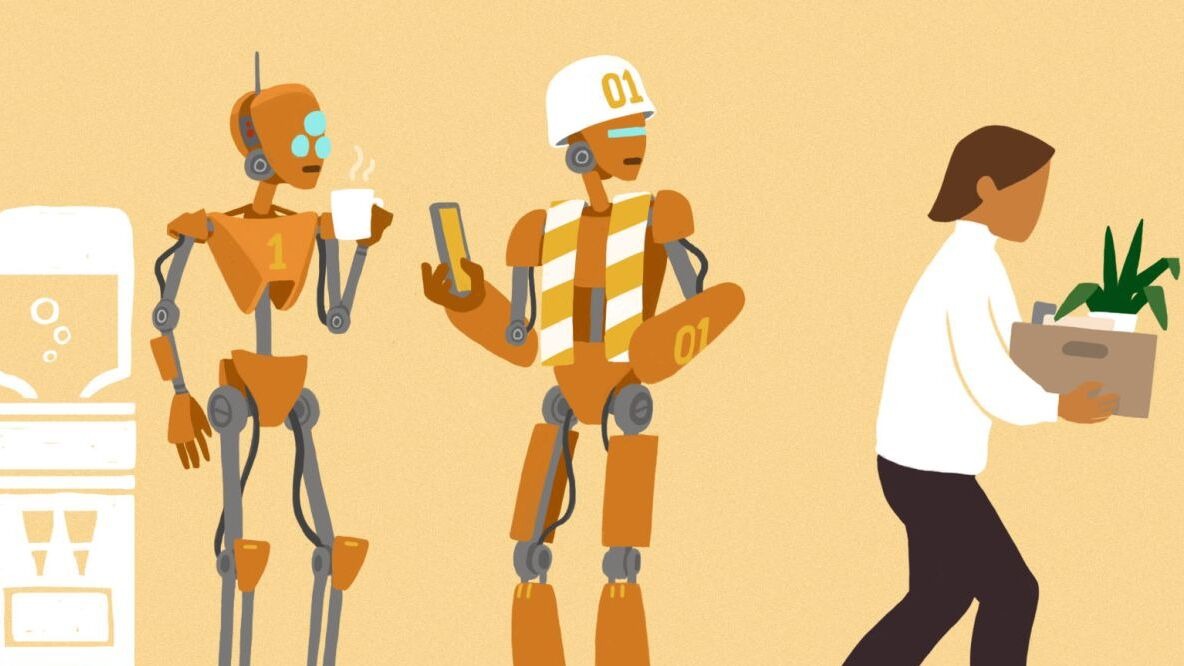
On February 26, Jack Dorsey laid off 4,000 of Block's 10,000 employees and then did something almost no CEO does: he told the truth about why.
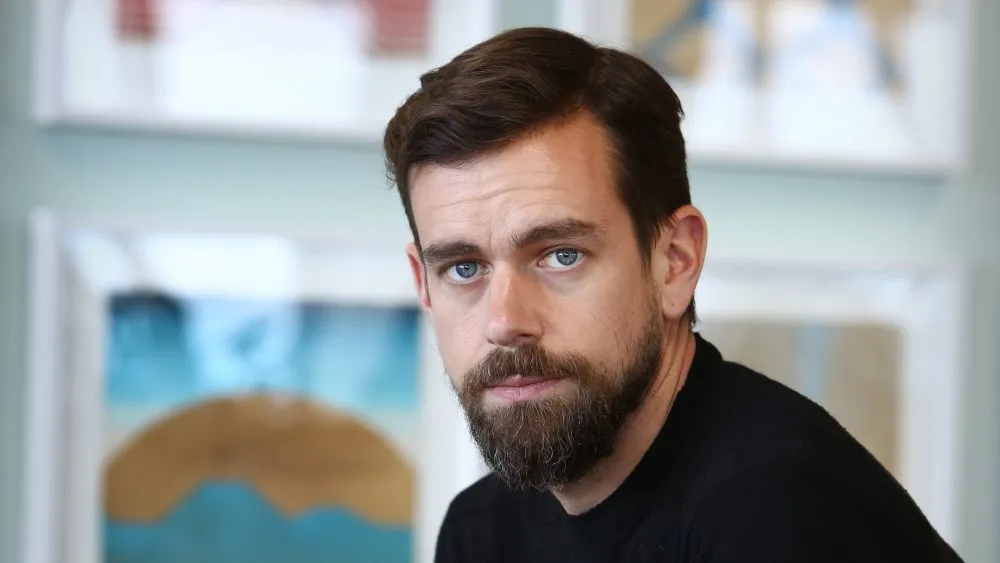
"Intelligence tools have changed what it means to build and run a company," he wrote in a letter to shareholders. This technically means AI is why those 4,000 people are now updating their LinkedIn profiles.
Wall Street definitely loved it because Block's stock shot up 20%. Dorsey is right and that should terrify you.
This Is the First Honest Layoff
Companies have been doing exactly this for years.
Amazon cut over15,000 jobs in 2025. Salesforce admitted AI was doing 50% of the work that used to require customer support staff.
Workday, Washington Post, UPS, Dow — the list is long. But almost none of them said the AI-word directly. They talked about "efficiency" and "simplifying operations."

It was AI-washing in reverse, hiding automation behind vague language to avoid backlash. Dorsey didn't do that.
Analyst Stephen Innes put it bluntly: "For years, we have debated whether AI would dent jobs at the margin. Now we have a public case study."
That case study just cost 4,000 people their jobs. And the fact that we are applauding the transparency while glossing over that reality says a lot about where we are right now.
You’re the Target — Whether You Know It or Not
Workers aged 18 to 24 are 129% more likely than those over 65 to worry that AI will make their job obsolete and they are not being paranoid.
Goldman Sachs data shows unemployment among 20 to 30-year-old in tech-exposed roles has jumped almost 3 percentage points since early 2025, far higher than any other age group.
Nearly half of Gen Z job seekers already believe AI has reduced the value of their college degree.
The cruelest part is that the jobs most at risk are the entry-level ones, the stepping stones.
Customer service, data entry, junior coding roles and all those other jobs you can think of are what young people take to build experience and get a foot in the door.
And AI can do most of them now. In 2025 alone, nearly 55,000 U.S. layoffs were directly attributed to AI.

But Wait — Aren't New Jobs Being Created?
Yes. The World Economic Forum projects AI will displace 92 million jobs by 2030 but create 170 million new ones, a net gain on paper.
But those new jobs won't go to the people who lost the old ones. Research shows 77% of new AI-adjacent roles require a master's degree or higher. The jobs being killed are the accessible ones.

The jobs being created are for people who already have the most resources.
Brookings Institution found that 6.1 million workers, primarily in clerical roles, 86% of them lack the skills or resources to meaningfully adapt.
For them, "AI creates more jobs than it destroys" is an insult.
So What Do We Actually Do With This?
First, we need to stop treating honesty as the achievement. Dorsey being straightforward about why he fired 40% of his company should be the bare minimum.
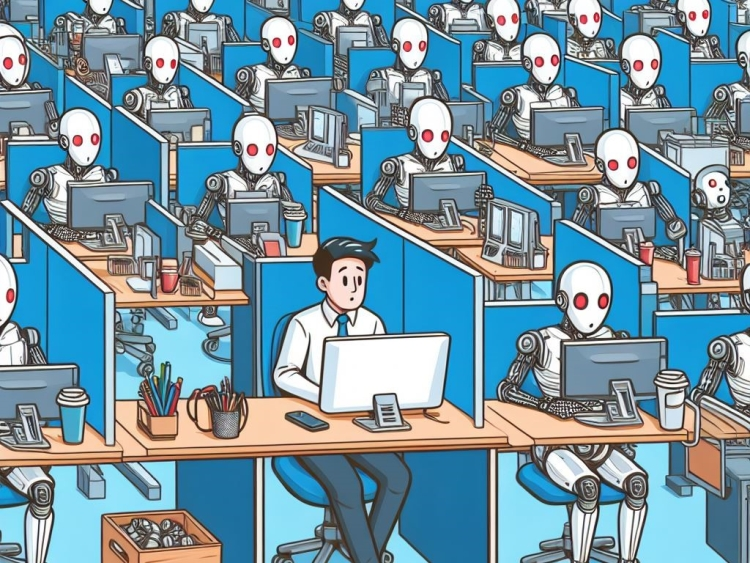
Get comfortable being uncomfortable about this. Worker anxiety about AI has jumped from 28% in 2024 to 40% in 2026. That fear is not even irrational, it is a reasonable response to real signals.
And push back on the narrative that this is just "disruption" and everything will sort itself out. Every major technological shift has eventually created more jobs than it destroyed.
But the transition period, the gap between the old jobs disappearing and the new ones materializing, is where real people and real futures get swallowed whole.
We are inside that gap right now.
Jack Dorsey said a smaller team using AI can do more and do it better. He is probably right. The question nobody is asking is: better for whom?
Because right now, the answer is: better for shareholders. And the 4,000 people who just lost their jobs at Block are still figuring out what comes next.